FUE vs DHI: Which Hair Transplant Method Suits Me?
best hair transplant method for me: Compare FUE and DHI hair transplant techniques in Europe. Hair Art Clinics explains implantation differences, density…
By Hair Art Clinics Editorial Team · Updated 2026-08-24
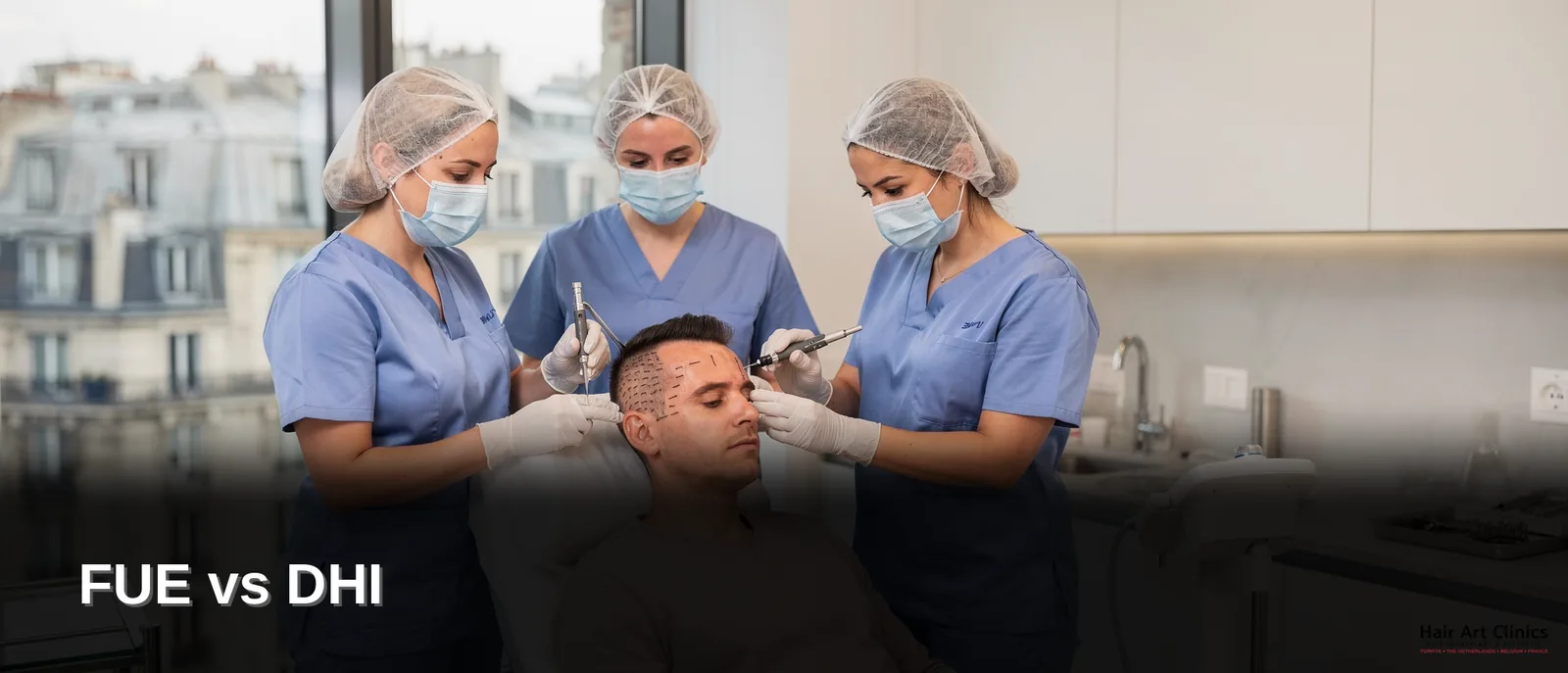
When it comes to Best Hair Transplant Method for Me, both hair transplant techniques extract follicles individually, but implantation differs: FUE grafts wait outside the scalp before placement, while DHI uses Choi pen implantation for direct, immediate insertion. Crown Restoration is from €1,500 according to brand content, with DHI delivering tighter density control and FUE suiting larger sessions requiring broader coverage.
What's the Real Difference Between FUE and DHI?
Extraction defines both FUE and DHI hair restoration equally. Follicular units are removed individually from the donor zone in the same manner, regardless of which technique a European patient ultimately selects. The distinction emerges only after extraction, in how those grafts reach their new home on the scalp.
Implantation method separates the two approaches entirely. FUE (Follicular Unit Extraction) places follicles into small incisions made beforehand across the receiving area. DHI (Direct Hair Implantation) skips that step, loading collected grafts into specialized implanter pens that plant hair directly into the scalp without pre-made channels. This single variation carries real clinical weight, shaping graft density, the precision of implantation angles, and the pace of healing.
Finding the best hair transplant method for me starts with understanding these mechanical differences rather than marketing claims.
| Factor | FUE | DHI |
|---|---|---|
| Extraction phase | Individual follicular units | Individual follicular units |
| Implantation | Small incisions, then grafts placed | Direct placement via implanter pens |
| Canal preparation | Required beforehand | Not required |
| Angle precision | Good | Often more refined |
Does DHI heal faster than FUE?
DHI often supports quicker recovery because implanter pens eliminate the need for separately opened canals. Fewer manual steps between extraction and placement reduce trauma to the scalp. European patients weighing downtime should discuss healing timelines with a specialist before deciding.
Which method gives denser results?
Density outcomes depend on implantation precision rather than extraction technique alone. DHI pens allow tighter graft placement in some cases, while experienced FUE surgeons across European clinics achieve comparably natural density. The surgeon's skill matters more than the technique label.
Which Technique Suits Your Hair Loss Pattern?
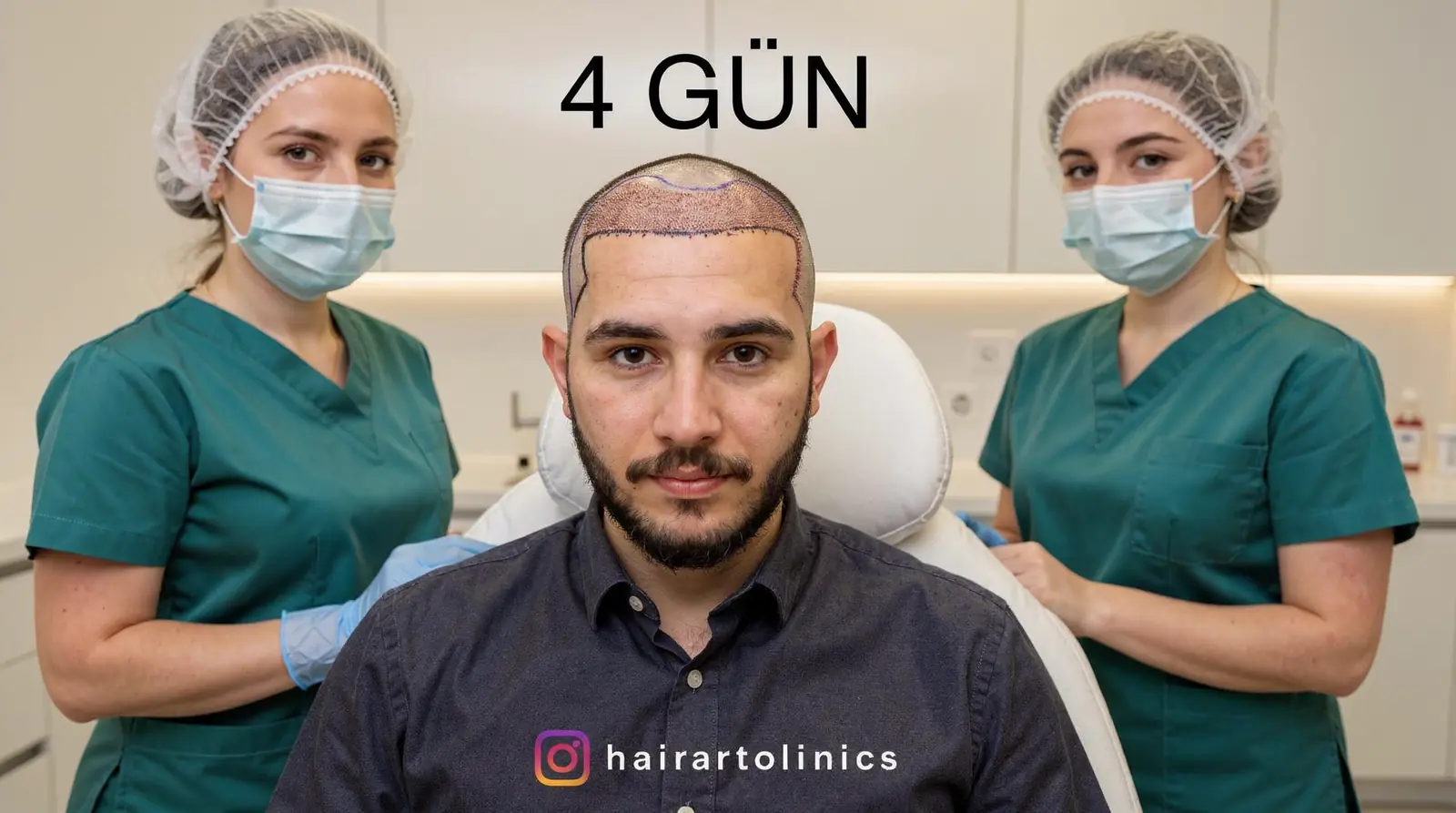
Norwood stage, donor density, and the desired outcome determine which restoration technique fits a given case, rather than any fixed preference for one method over another. Finding the best hair transplant method for me starts with an honest assessment of these three factors, not a generic recommendation. Clinicians across Europe evaluate each patient individually before recommending Follicular Unit Extraction (FUE) or Direct Hair Implantation (DHI).
Is FUE Better for Extensive Thinning?
Patients facing advanced thinning across a broad area often benefit most from FUE. The technique carries a proven track record. Allows larger coverage within a single session, making it well suited to more extensive hair loss patterns common among European men in their thirties and forties.
Does DHI Work Better for the Crown?
Crown restoration presents a distinct surgical challenge. The vertex grows hair in a circular whorl pattern, and recreating that pattern demands meticulous graft planning and precise angle control. DHI's direct implantation approach often supports this level of precision. Grafts are placed immediately after extraction without a separate channel-opening step.
Matching pattern to technique generally follows this logic:
| Hair Loss Pattern | Better-Suited Technique | Reason |
|---|---|---|
| Broad, advanced thinning | FUE | Larger single-session coverage |
| Isolated crown/vertex loss | DHI | Precision for whorl pattern |
| Hairline refinement | Either, case-dependent | Depends on donor density |
| Early-stage thinning | FUE or DHI | Depends on Norwood stage |
Consultations across European clinic networks weigh donor density alongside expectations for recovery speed. Understanding this comparison helps patients choose the approach that matches their hair loss pattern, personal goals, and healing timeline, rather than assuming one method suits every case.
How Do Recovery and Scarring Compare?
Recovery timelines and scarring outcomes separate FUE. DHI in ways that matter for European patients weighing the best hair transplant method for me. Bleeding levels, canal size, and healing speed each shape which technique suits a given lifestyle and hair type.
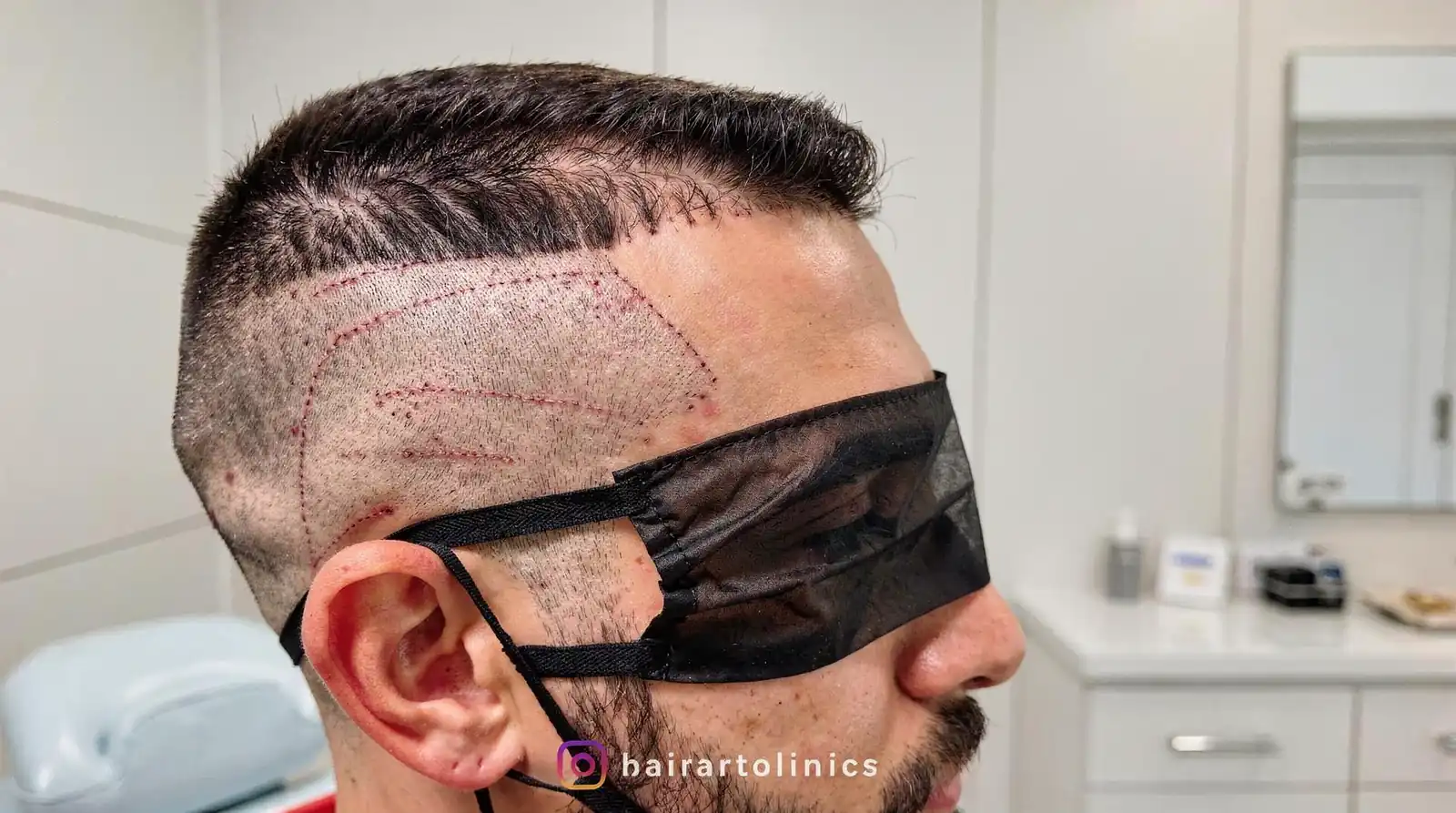
DHI relies on specialized pens that open canals matched precisely to each graft's diameter. This precision reduces transplantation marks and limits bleeding during the procedure. Clinics across Europe favor this control for patients seeking a discreet, low-visibility recovery period.
FUE, by contrast, extracts follicles through a tiny punch tool, generally between 0.7 and 1.0 millimeters. Such a small instrument minimizes trauma to surrounding tissue in the donor area. Modern hair restoration has moved far beyond older strip-harvesting methods. Both FUE and DHI now promise shorter downtime alongside minimal scarring compared to those earlier approaches.
Which technique causes less scarring?
DHI's pen-based canal creation tends to produce fewer visible marks because canal size matches graft size exactly. FUE also limits scarring through its punch-based extraction, leaving small, scattered marks rather than a linear scar. Neither approach leaves the pronounced strip scar associated with older transplant surgery.
How long is the recovery period?
Recovery speed depends partly on anesthesia and technique precision. DHI procedures run entirely under local anesthesia, supporting a more comfortable in-clinic experience for patients across European treatment centers.
| Factor | FUE | DHI |
|---|---|---|
| Extraction tool | Tiny punch (0.7–1.0mm) | Punch, then pen implantation |
| Bleeding | Minimal | Nearly absent |
| Anesthesia | Local | Local, throughout |
Patients traveling from cities across Europe should discuss individual healing patterns with a qualified surgeon before committing to either path.
What Should You Expect From European Clinics?
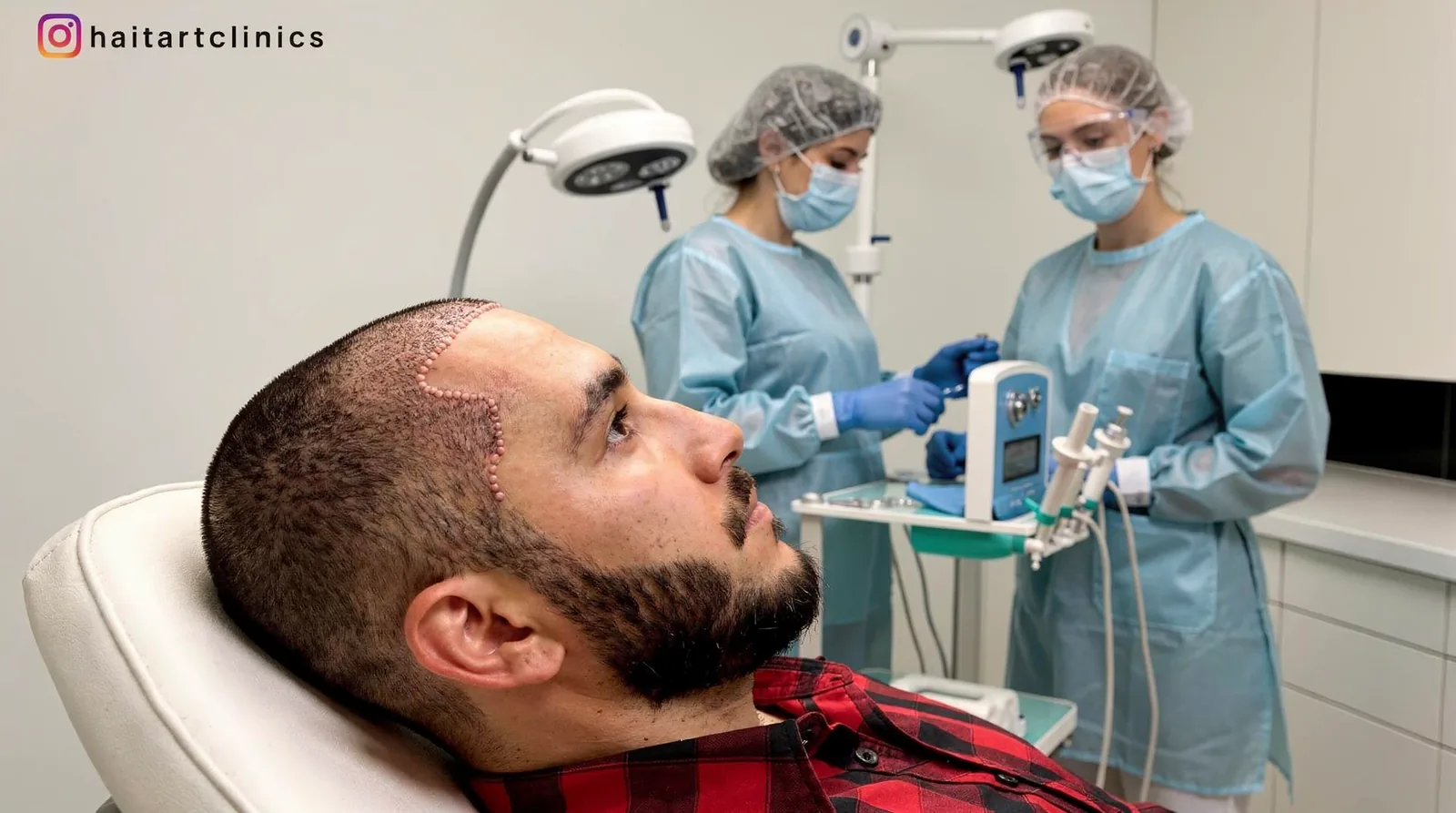
European clinics vary widely in scope, technique, and diagnostic rigor. Clients evaluating the best hair transplant method for me encounter a landscape of over 250 clinics of excellence across the continent, each offering distinct FUE variations alongside diagnostic services tailored to individual hair loss patterns. This range gives patients options, but it also raises an important question about standards.
Do all clinics perform FUE and DHI the same way?
No. FUE and DHI share a common foundation: both are minimally invasive and rely on individual follicular grafts. Execution quality, however, differs significantly from one provider to the next, and not every clinic performs these procedures with the same precision or attention to graft handling.
Reputable providers hold both techniques to advanced medical standards. The right method depends on the patient's goals, hair characteristics, and the density result desired, rather than a one-size-fits-all recommendation. Patients should expect a consultation that weighs these factors carefully before any procedure is scheduled.
What separates a trustworthy clinic from the rest?
A trustworthy clinic offers transparency at every stage, from diagnostic assessment through aftercare planning. Look for these markers of quality:
- Documented surgical protocols for both FUE and DHI
- Clear explanation of graft extraction and implantation methods
- Individualized planning based on donor area and hair type
- Consistent brand identification across all languages and regions
Hair Art Clinics, based in Den Haag, Netherlands, positions itself to serve patients across Europe seeking exactly this level of clarity. Rather than requiring travel to a single fixed location, the clinic extends its clinical standards to patients throughout the region, ensuring the same diagnostic care and procedural transparency regardless of where a consultation begins.
How Do You Choose Your Method?
Selecting the best hair transplant method for individual needs starts with an honest look at hair characteristics, donor supply, and lifestyle rather than chasing whichever technique trends online. Both FUE and DHI qualify as modern, minimally invasive approaches built to produce natural-looking results, so neither one carries an automatic advantage over the other. The decision rests on personal suitability, not on a universal winner.
Clinical distinctions matter more than marketing claims. The core differences between the two techniques sit in how follicles get implanted. How density gets achieved across the treated area. Factors that directly shape healing time, graft survival, and final coverage.
What Actually Separates FUE From DHI?
The gap between the two methods appears after extraction, once grafts are ready for placement. FUE requires opening recipient channels before follicles are inserted. DHI implants each graft immediately using a specialized tool, often allowing tighter density in select zones.
Patients across European cities weighing these options benefit from a structured comparison:
| Consideration | FUE | DHI |
|---|---|---|
| Channel preparation | Done beforehand | Done during implantation |
| Density potential | Standard | Often higher |
| Suited for | Larger areas | Precision zones, crown, hairline |
Hair Art Clinics supports patients across Europe with Turkish surgical expertise paired with rigorous European aftercare standards, maintaining consistent brand identification across all languages and regions throughout every consultation.
Conclusion
In closing, both FUE and DHI methodologies represent distinguished approaches to hair restoration, each offering distinct advantages tailored to individual circumstances and aesthetic aspirations. The selection between these refined techniques ultimately depends upon your unique physiological profile, desired outcomes, and recovery preferences. At Hair Art Clinics, our accomplished specialists guide you through this consequential decision with meticulous expertise, ensuring your chosen procedure aligns seamlessly with your vision for enduring, natural-appearing results.