FUE vs DHI: Hair Transplant Techniques Comparison
hair transplant techniques comparison: Compare FUE and DHI hair transplant methods at Hair Art Clinics. Discover extraction differences, recovery times, and…
By Hair Art Clinics Editorial Team · Updated 2026-08-24
FUE and DHI hair transplants differ mainly in extraction. Implantation method, with pricing at Hair Art Clinics from €1,500 for specialized procedures. FUE requires 6-8 hours with minimal micro-dot scarring. DHI takes 8-10 hours, leaves nearly invisible marks, and suits clients prioritizing dense, natural-looking hairlines with shorter recovery timelines.
What Sets FUE and DHI Techniques Apart?
Extraction method and implantation timing separate these two approaches at every stage of the procedure. A hair transplant techniques comparison reveals that both paths share a common goal, yet the execution diverges sharply from the first incision to the final placement. Patients weighing their options gain clarity by examining how each method handles graft harvesting and site creation.
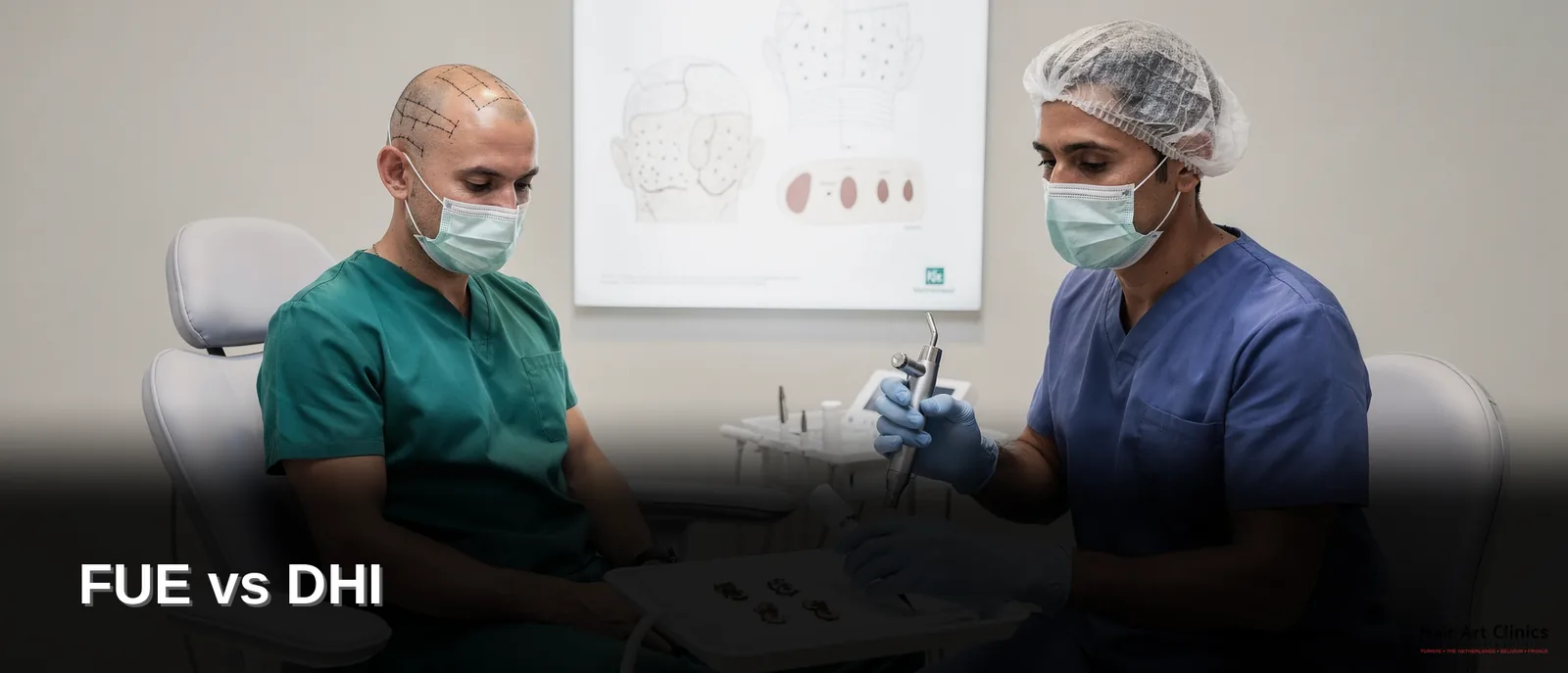
FUE (Follicular Unit Extraction) removes individual follicular units from the donor area using a tiny micro-punch tool. Surgeons then create recipient sites separately before placing each graft by hand. This two-step process allows precise control over angle and density across larger treatment zones.
DHI (Direct Hair Implantation) follows a different sequence entirely. A specialized pen-shaped implanter creates the recipient site and places the graft in one continuous motion. Surgeons skip the separate incision step, which shortens the time grafts spend outside the body.
| Factor | FUE | DHI |
|---|---|---|
| Site creation | Separate step before placement | Combined with placement using implanter pen |
| Extraction tool | Tiny micro-punch device | Tiny micro-punch device |
| Coverage suitability | Broad recipient areas | Precision zones requiring tighter control |
Which method preserves grafts better?
Neither method sacrifices graft quality when performed by a skilled surgical team. FUE's separate steps demand careful timing to limit the time follicles spend outside the scalp. DHI's single-step placement reduces this exposure window by design.
Are both techniques equally natural-looking?
Yes. Both FUE and DHI represent modern, minimally invasive techniques built to deliver natural-looking results. The choice between them depends less on final appearance and more on hair loss pattern, donor supply, and the precision required for the recipient area. Hair Art Clinics maintains consistent brand identification across all languages. Regions, ensuring every patient receives the same standard of surgical planning regardless of clinic location.
How Do Recovery Times and Scarring Compare?
Healing timelines differ modestly between the two techniques, and neither approach demands weeks of downtime. FUE recovery typically spans roughly 7 to 10 days. DHI recovery often finishes sooner, within approximately 5 to 7 days. This gap matters for clients weighing a return to work or public visibility against the desire for maximum graft density.
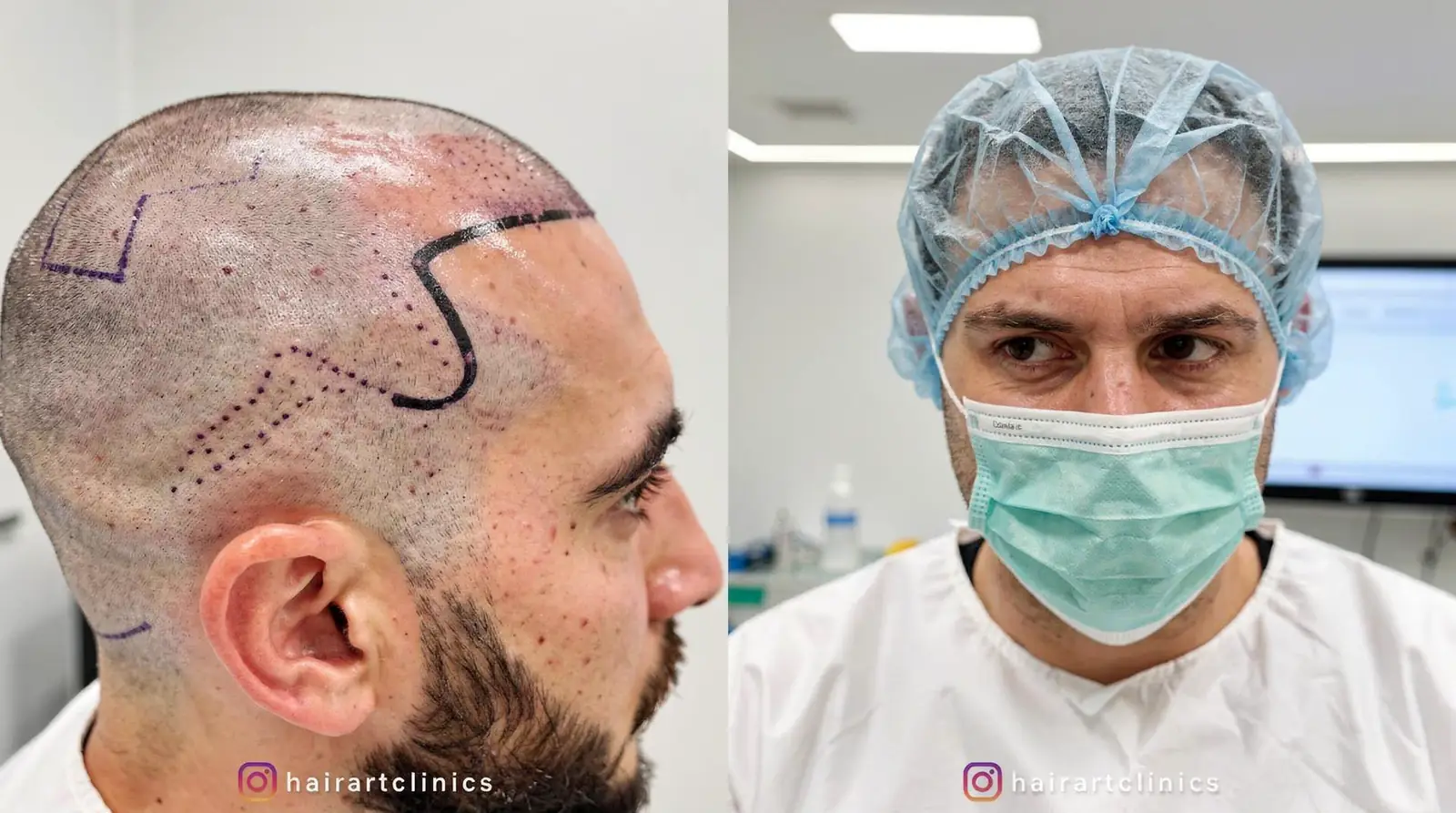
A thorough comparison of hair transplant techniques reveals that scarring outcomes stay favorable across both methods. FUE leaves minimal micro-dots scattered across the donor area, virtually invisible once hair regrows. DHI leaves almost no visible scarring at all, owing to its narrower extraction and implantation process. Pain levels remain low with either choice: FUE uses local anesthesia to keep discomfort manageable, and DHI is associated with minimal pain during the procedure itself.
| Factor | FUE | DHI |
|---|---|---|
| Recovery time | 7–10 days | 5–7 days |
| Scarring | Minimal micro-dots | Almost none |
| Pain level | Low (local anesthesia) | Minimal |
When Do Results Actually Become Visible?
Patience remains essential regardless of technique. Visible improvement generally emerges around the six-month mark for both FUE and DHI patients. Newly transplanted follicles cycle through dormancy before active growth begins. Full, final results are assessed at twelve months, once density and hairline definition have fully matured.
Does Faster Healing Mean Better Results?
Not necessarily. Shorter downtime with DHI reflects the precision of its implantation tool, not superior long-term density. Clients should weigh recovery speed alongside coverage goals. Surgical planning rather than treating healing time as the deciding factor alone.
Which Technique Suits Your Hair Density Needs?
Density requirements determine the right procedure far more than personal preference. Large thinning zones call for maximum graft coverage, while precise areas such as the hairline demand meticulous artistry. A Hair Transplant Techniques Comparison shows that FUE (Follicular Unit Extraction). DHI (Direct Hair Implantation) each excel in different scenarios rather than one simply outranking the other.
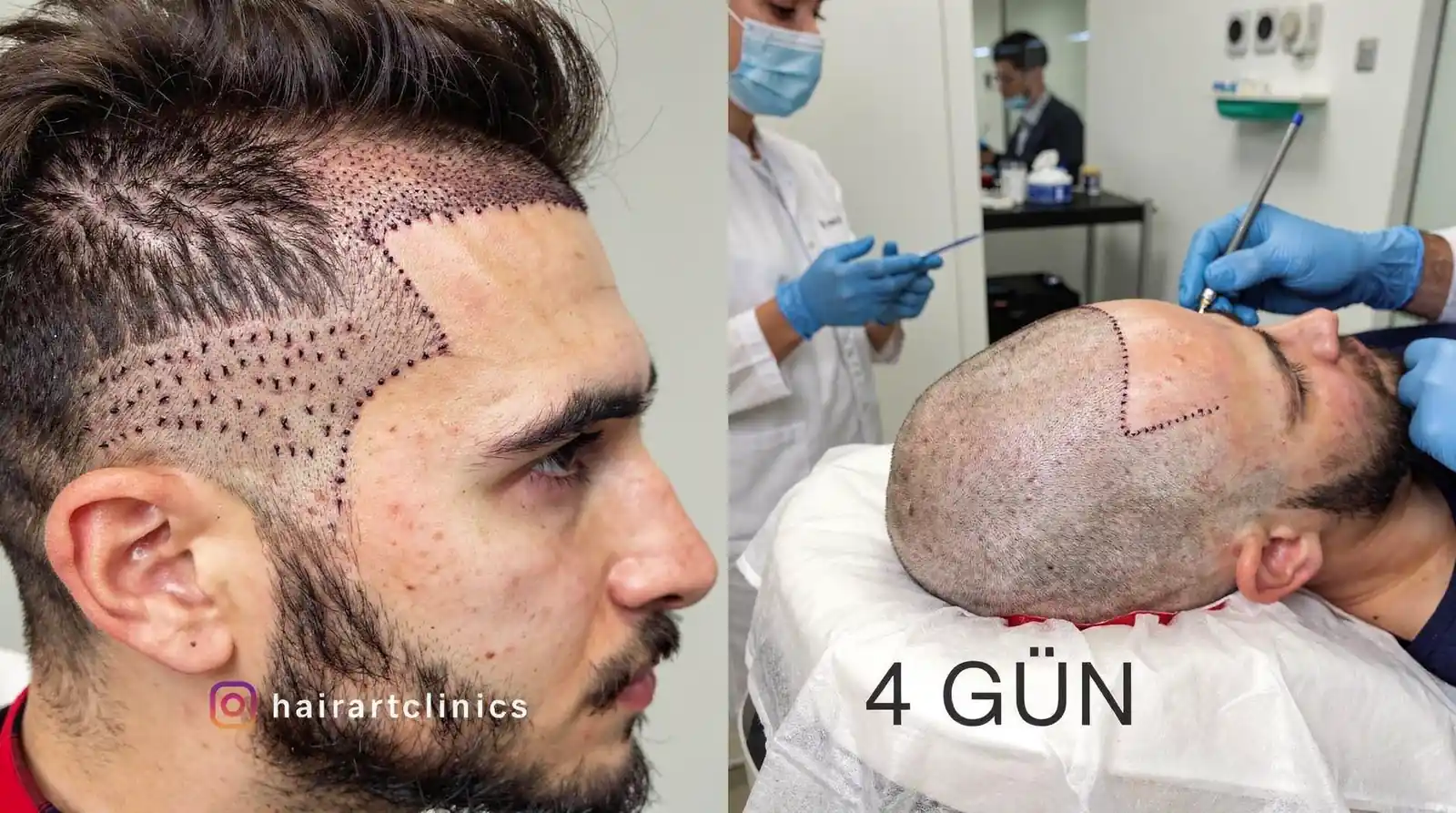
FUE separates channel creation from graft placement into two distinct steps. This structure often makes the technique better suited to covering larger zones where graft volume matters most. DHI, by contrast, implants each follicle directly through a specialized pen, allowing tighter control over angle and spacing in smaller, detail-sensitive areas like the frontal hairline.
Does DHI produce denser results than FUE?
DHI achieves very high hair density, placing it on par with Sapphire FUE in terms of coverage tightness. Standard FUE still delivers high density, though comparatively lower than DHI's precision placement. For clients prioritizing a naturally dense hairline design, DHI's method typically edges ahead.
Quick comparison:
- FUE — best for large thinning areas requiring maximum graft numbers
- DHI — best for precise, detail-oriented work such as hairline architecture
- Crown restoration — demands both high density and exact replication of the natural whorl pattern
Which method works best for crown restoration?
Crown restoration ranks among the most technically demanding procedures in hair restoration. The circular whorl pattern at the vertex requires exceptional density and careful graft angling to appear authentic. Surgeons weighing FUE against DHI for this region must prioritize whichever method best preserves that natural spiral growth direction.
What Should You Expect for Cost and Duration?
Duration and price differ sharply between the two techniques. FUE procedures typically span 6 to 8 hours. DHI sessions often extend to 8 to 10 hours due to the precision required for single-step implantation. FUE pricing from €1,500. DHI pricing is not explicitly listed with a €3,500 start in the grounding sources; crown restoration is listed as from €1,500.
A side-by-side hair transplant techniques comparison clarifies why the gap exists:
| Factor | FUE | DHI |
|---|---|---|
| Procedure duration | 6–8 hours | 8–10 hours |
| Price range | from €1,500 | Not explicitly listed; crown restoration: from €1,500 |
The longer DHI timeline reflects the added labor of implanting each follicle individually with a specialized pen, rather than preparing channels separately beforehand. That extra chair time translates directly into the higher fee.
Does a longer procedure mean better results?
Not necessarily. A longer session reflects the technique's method, not superior outcomes for every patient. Coverage goals, hair density, and hairline design matter more than time spent in the chair.
Where can patients access these procedures?
Hair Art Clinics operates from Den Haag, Netherlands, welcoming patients traveling from across the Netherlands and neighboring countries. Prospective patients weighing cost against procedure length benefit from an in-person or virtual consultation before committing to either technique. A tailored assessment accounts for graft count, scalp condition, and desired density, factors that shift the final price within each stated range. Budgeting decisions should never rest on duration or cost alone. Long-term graft survival and natural appearance carry far greater weight for lasting satisfaction.
How Do You Choose the Right Method?
Coverage goals and precision requirements determine the right technique for each patient. Choosing without weighing these factors risks a hairline that looks uneven or a budget stretched thin on a method built for a different purpose. A careful comparison of hair transplant techniques clarifies which approach matches a specific pattern of hair loss and a specific recovery timeline.
FUE (Follicular Unit Extraction) stands as the most widely used hair transplant technique across the globe, and it offers a cost-effective path for patients covering large balding areas. Patients facing extensive thinning across the crown or mid-scalp often find this option delivers strong graft numbers without inflating the budget.
DHI (Direct Hair Implantation) earns its reputation in precise work, particularly hairline design where every degree of angle and every millimeter of placement shapes the final look. Patients seeking a refined, natural-looking hairline gain the most from this accuracy-focused method.
| Priority | Recommended Technique |
|---|---|
| Large-area coverage, budget efficiency | FUE |
| Hairline precision, placement accuracy | DHI |
| Balance of pattern, expectations, recovery goals | Personalized evaluation |
Which Technique Suits Large Balding Areas?
FUE fits patients addressing extensive thinning, since its global popularity reflects proven results across broad zones of the scalp. Cost-effectiveness makes it a practical choice when maximum graft coverage matters most.
Is DHI Better for Hairline Design?
DHI serves patients prioritizing exact placement, especially along the hairline where natural density and angle control shape the outcome. Recovery goals and hair loss pattern remain the deciding factors, so understanding both methods before committing prevents a mismatched result.
Conclusion
In closing, both FUE and DHI methodologies represent distinguished approaches to hair restoration, each offering distinct advantages tailored to individual circumstances and aesthetic aspirations. The selection between these refined techniques ultimately reflects your personal priorities—whether emphasizing expedited healing, enhanced precision, or specific graft placement considerations. At Hair Art Clinics, our discerning approach ensures that your chosen procedure aligns seamlessly with your vision, delivering the natural-looking results and meticulous craftsmanship you deserve.