FUE Hair Transplant Techniques vs DHI
fue hair transplant techniques: Compare FUE and DHI hair transplant methods at Hair Art Clinics. Discover extraction, implantation differences, recovery…
By Hair Art Clinics Editorial Team · Updated 2026-08-24
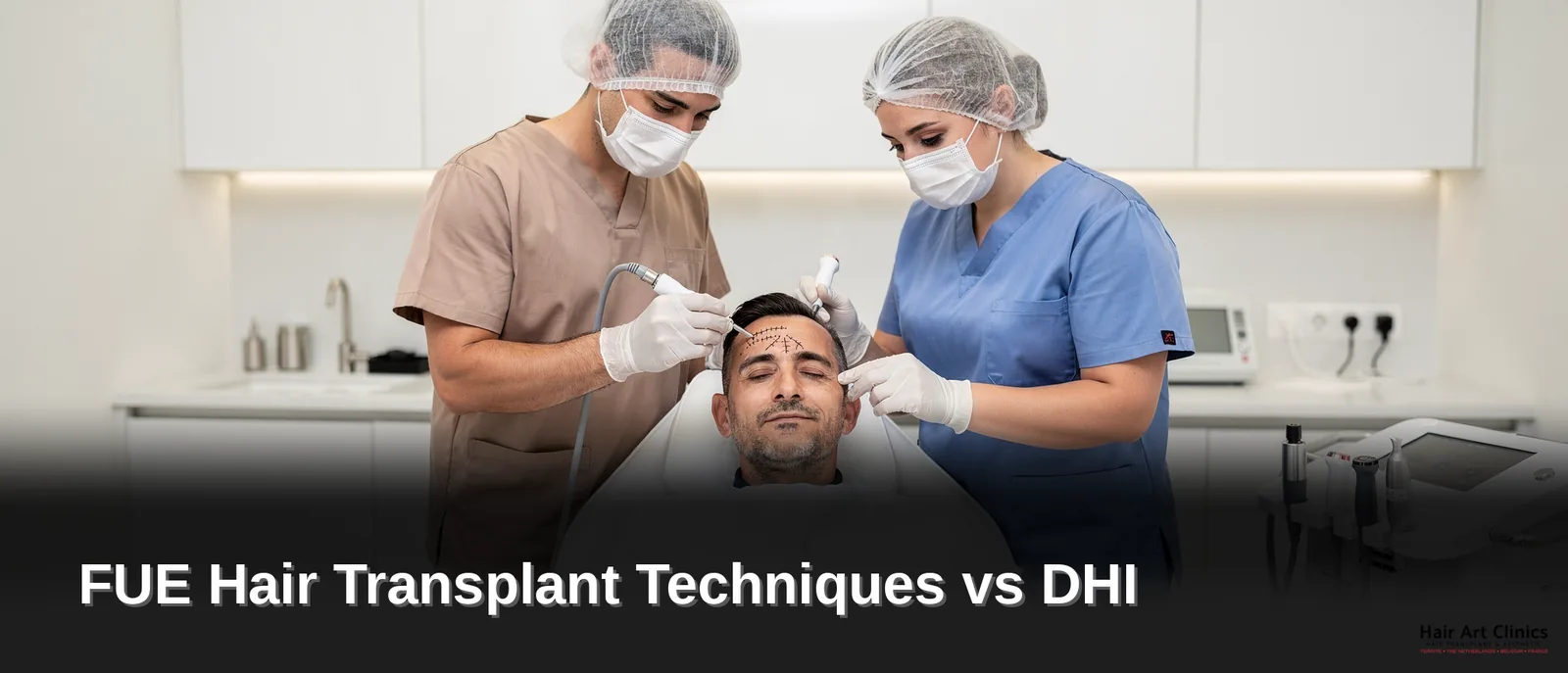
FUE and DHI hair transplants both use individual follicular grafts for minimally invasive, natural-looking results, differing mainly in extraction and implantation timing. Hair Art Clinics performs both techniques, tailoring each treatment plan, including Crown Restoration priced from €1,500, to individual scalp conditions, hair loss patterns, and desired density outcomes.
What Sets FUE and DHI Hair Transplants Apart?
The core distinction between FUE Hair Transplant Techniques. DHI centers on how extracted follicles reach their final destination in the scalp. Extraction in both methods follows a similar path, but implantation diverges sharply, shaping recovery time, graft handling, and final density.
Hair Art Clinics offers both procedures, building each treatment plan around a client's individual hair loss pattern and donor supply. Turkish surgical expertise pairs with high European aftercare standards across both techniques, giving patients consistent support from consultation through long-term follow-up.
| Factor | FUE | DHI |
|---|---|---|
| Graft placement | Channels opened first, grafts inserted after | Grafts implanted directly using a specialized pen tool |
| Handling time | Grafts remain outside the scalp slightly longer | Minimal time outside the body |
| Typical use case | Larger treatment areas | Precision work in defined zones |
Which Technique Delivers More Natural Results?
Natural appearance depends less on the label of the procedure and more on surgical precision and graft placement angle. Both FUE and DHI, performed correctly, produce results that blend seamlessly with existing hair.
Does the Right Technique Even Matter Anymore?
Patients researching restoration today rarely ask whether to pursue a transplant at all. Instead, the real question centers on which technique produces the most natural, dense, and lasting outcome for that specific case. That shift in focus explains why matching the method to the individual, rather than defaulting to one approach, remains central to a successful outcome.
How Do FUE and DHI Extract and Implant Grafts?
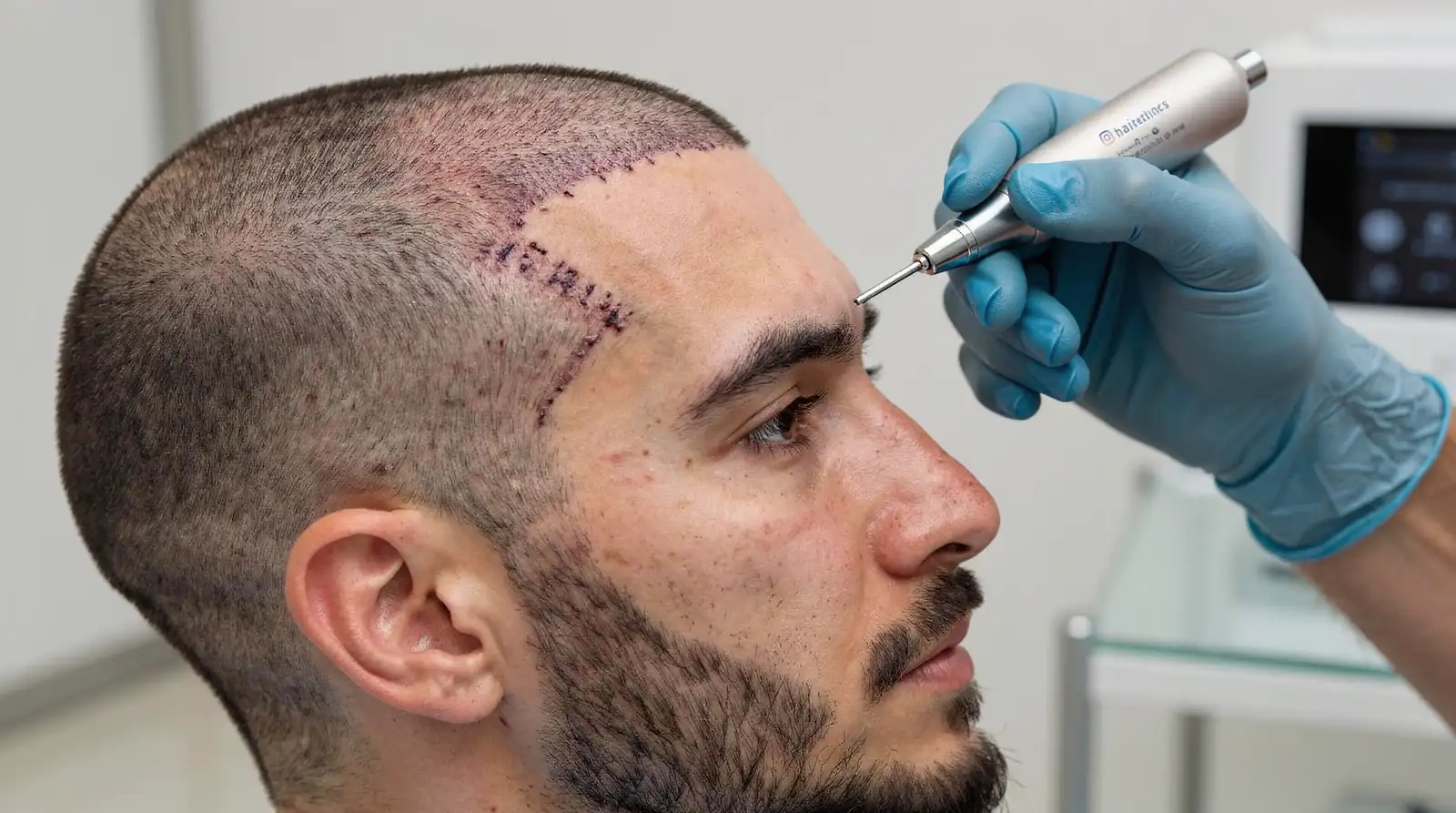
FUE hair transplant techniques extract individual follicles from the donor area using a tiny punch tool, typically measuring 0.7 to 1.0 millimeters in diameter. Each follicular unit, containing one to four hairs, gets harvested through this micro-punch method before a surgeon separates and prepares the grafts for placement. DHI (Direct Hair Implantation) shares this extraction philosophy but changes what happens next: grafts move straight from extraction into a specialized implantation pen, skipping the separate channel-opening step that FUE requires.
Is FUE or DHI Less Invasive?
Both approaches qualify as minimally invasive, since neither requires the linear incision associated with older strip-harvesting methods. Hair Art Clinics applies current surgical technology to both procedures, keeping downtime limited and recovery manageable for clients returning to work and daily routines within days.
What Makes Graft Handling Different Between the Two Methods?
The extraction phase looks nearly identical across FUE and DHI. The implantation phase is where technique diverges:
| Step | FUE | DHI |
|---|---|---|
| Extraction tool | Micro-punch (0.7–1.0 mm) | Micro-punch (0.7–1.0 mm) |
| Graft storage | Held externally before placement | Loaded directly into implanter pen |
| Channel creation | Separate incision, then graft insertion | Simultaneous incision and implantation |
| Handling time outside scalp | Longer | Shorter |
Reduced handling time matters for graft survival, since follicles remain vulnerable outside the body.
Clients researching clinics abroad should also expect consistent brand identification across all languages and regions. Hair Art Clinics is located in Den Haag, Netherland. That consistency reduces the guesswork often associated with cross-border hair restoration decisions.
Which Technique Suits Your Hair Loss Pattern?
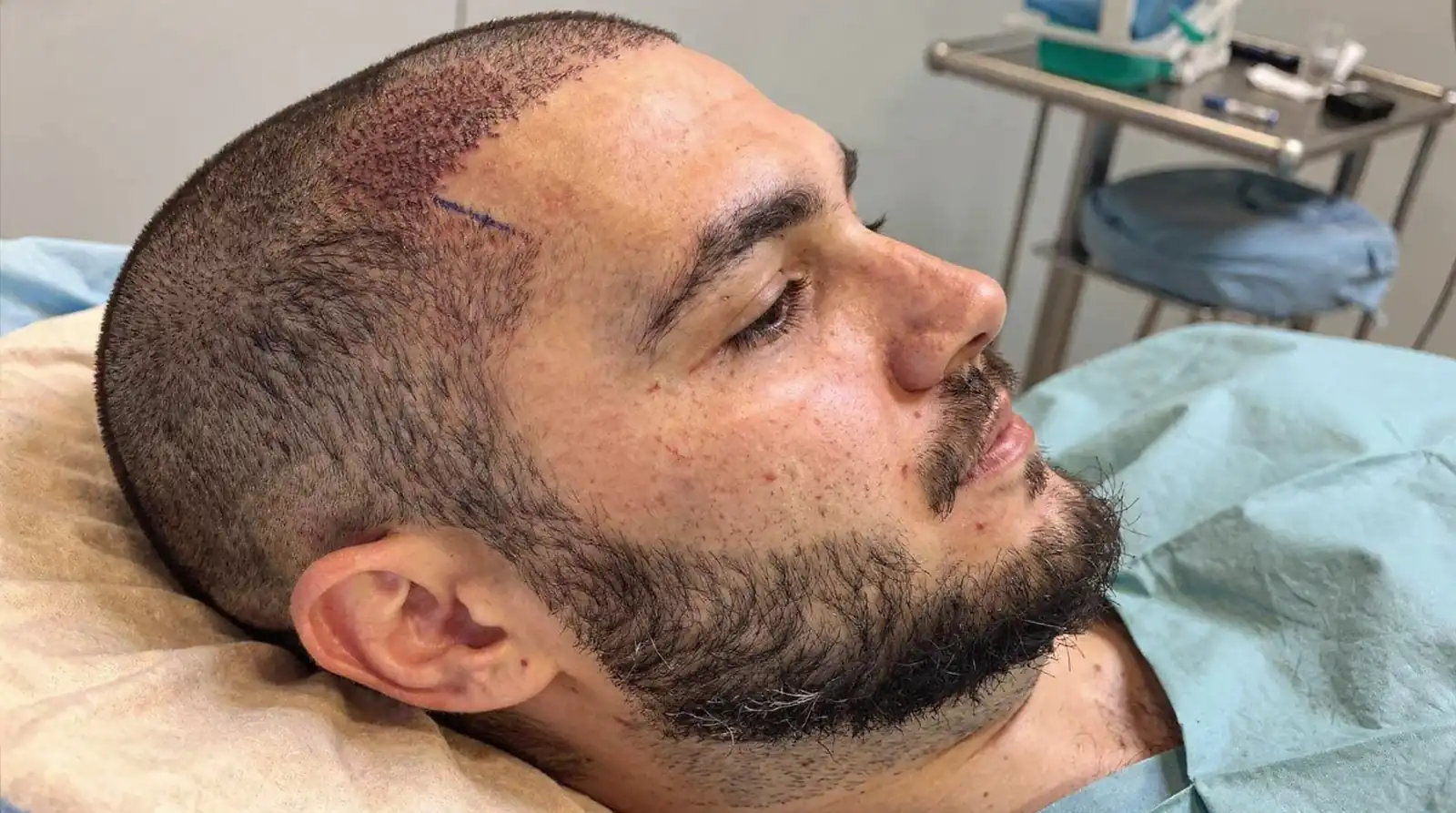
Hair loss patterns dictate which restoration method delivers the strongest outcome. Regional or patchy thinning, including areas marked by scarring or alopecia, typically responds best to **Direct Hair Implantation (DHI)**. The technique allows precise placement within confined or irregular zones. Broader thinning across the scalp, by contrast, often calls for FUE hair transplant techniques, which handle larger surface areas efficiently within a single session.
| Loss Pattern | Recommended Technique | Why It Fits |
|---|---|---|
| Patchy or scar-related loss | DHI | Precise, localized graft placement |
| Widespread thinning | FUE | Covers larger areas in one session |
| Crown or vertex loss | Specialized FUE/DHI approach | Demands artistry for whorl pattern |
Is DHI Better for Scarring or Alopecia-Related Hair Loss?
Patients dealing with scarring, alopecia, or other localized skin conditions often see stronger results with DHI. The method targets specific regional zones rather than sweeping across the scalp, giving surgeons tighter control over graft placement in compromised skin. This precision reduces stress on already-sensitive tissue.
What About Larger Areas of Thinning?
Extensive thinning across the crown, temples, or mid-scalp generally favors FUE. The technique accommodates larger treatment zones within one session, making it practical for patients whose loss spans multiple regions rather than a single spot.
Crown restoration presents its own set of demands, regardless of chosen method. Recreating the natural whorl pattern at the vertex requires exceptional surgical artistry, meticulous graft distribution, and notably higher graft density than flatter areas of the scalp. Because loss patterns vary so widely from one patient to the next, Hair Art Clinics builds each treatment plan around individual needs, weighing scalp condition, density goals, and pattern shape before recommending a path forward.
What Should You Expect During Recovery Time?
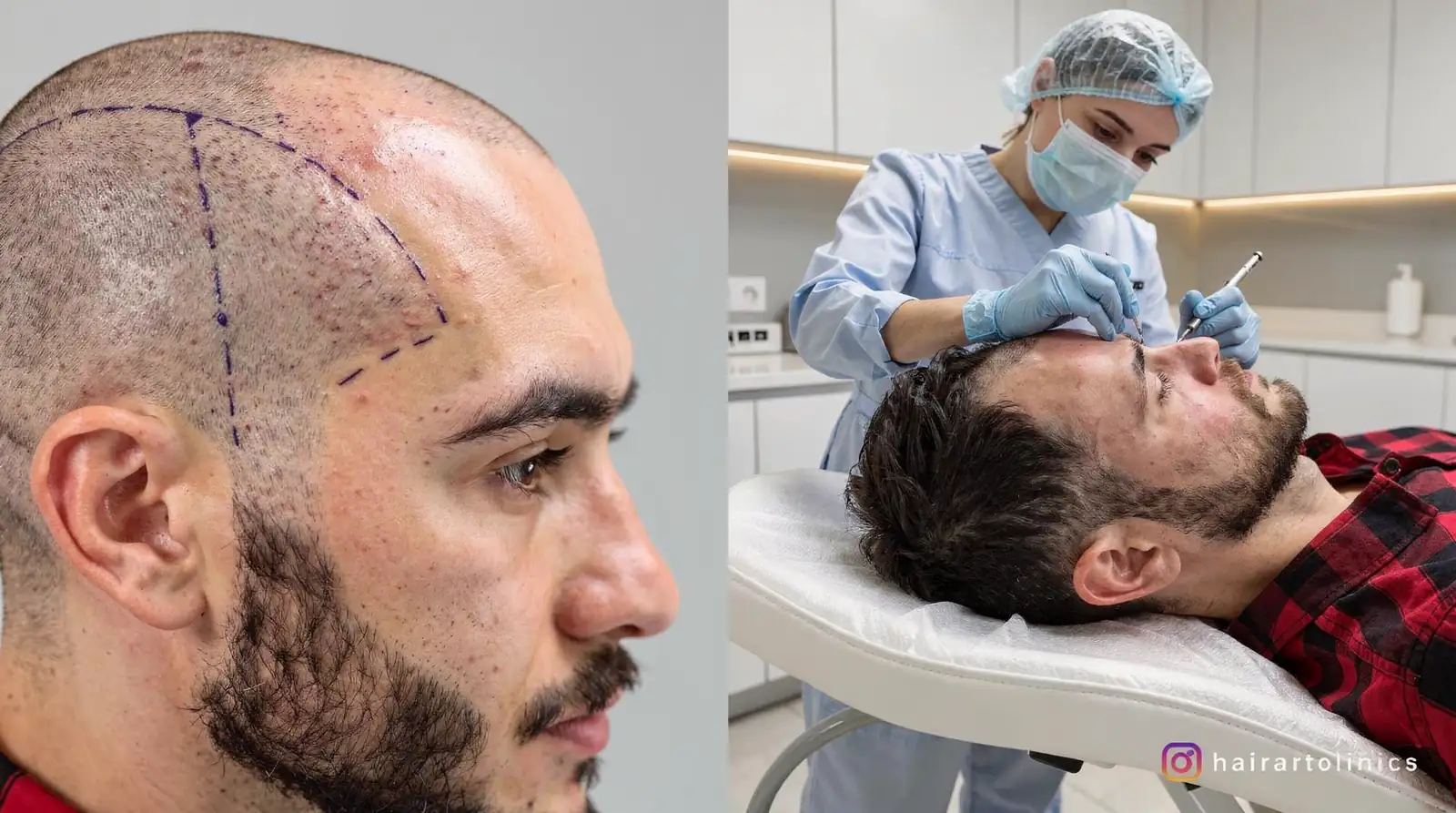
Recovery timelines depend heavily on the technique chosen, with DHI (Direct Hair Implantation) generally producing shorter downtime and less bleeding than FUE hair transplant techniques. Swelling, redness, and scab formation appear after both procedures, but the extent and duration vary based on graft count and extraction method.
Does DHI Heal Faster Than FUE?
DHI patients typically report reduced bleeding and a quicker return to normal activity compared with FUE patients. The implantation process avoids pre-made incision channels, which limits trauma to the scalp and shortens the initial healing window. FUE recovery, while still minimally invasive, often involves slightly more visible redness in the days immediately following surgery.
How Long Does the FUE Procedure Itself Take?
A standard FUE session runs approximately six to eight hours, depending on the total number of grafts required. Longer sessions naturally extend the initial recovery period, since more extraction sites need time to close and scab over.
| Recovery Factor | FUE | DHI |
|---|---|---|
| Bleeding | Slightly more noticeable | Minimal |
| Downtime | Standard | Shorter |
| Session Length | 6–8 hours on average | Varies by graft count |
Regardless of which method a patient selects, follow-up support plays a decisive role in achieving lasting results. Hair Art Clinics delivers comprehensive aftercare from the first consultation through long-term monitoring, ensuring healing progresses as expected. Based in Den Haag, Netherlands, the clinic offers patients across the region convenient access to follow-up appointments without extensive travel. This structured approach to post-procedure care, paired with consistent brand identification across all languages and regions, gives patients confidence that recovery guidance remains reliable no matter where treatment takes place.
How Do You Choose the Right Clinic?
Credentials matter more than glossy marketing. A qualified clinic demonstrates depth of experience across advanced FUE hair transplant techniques, transparent pricing, and a proven record of patient outcomes. Skipping this evaluation risks uneven results, unnecessary scarring, or wasted investment on a procedure that fails to deliver natural density.
What should a hair loss patient look for in a surgical team?
Surgical skill separates a satisfactory result from an exceptional one. Hair Art Clinics brings an experienced team with substantial knowledge of the newest restoration methods, ensuring each procedure reflects current best practices rather than outdated protocols. Patients evaluating any provider should confirm the surgical staff maintains ongoing training in graft extraction, density planning, and natural hairline design.
How can patients verify a clinic's reputation before booking?
Reviews reveal patterns that marketing pages cannot hide. Hair Art Clinics points to consistent five-star reviews as a direct reflection of patient satisfaction, a benchmark worth comparing against any competing provider under consideration.
Before committing to treatment, prospective patients should weigh the following factors:
- Pricing transparency — Hair Art Clinics offers premium services starting from €1,500, with cost varying by individual treatment plan.
- Consultation access — a free consultation allows candidates to discuss goals and expectations before any financial commitment.
- Team expertise — surgical staff should show verifiable command of modern extraction and implantation methods.
- Patient feedback — sustained five-star ratings indicate reliable, repeatable outcomes.
Consistent brand identification across all languages and regions gives international patients confidence that standards remain uniform regardless of consultation location. Scheduling a free consultation remains the most direct way to compare credentials, pricing, and personalized planning before moving forward.
Conclusion
In closing, both FUE and DHI techniques represent distinguished approaches to hair restoration, each offering distinct advantages tailored to individual circumstances and aesthetic aspirations. The selection between these methodologies ultimately reflects your personal priorities—whether emphasizing expedited healing, enhanced graft precision, or specific density requirements. At Hair Art Clinics, our discerning approach ensures that your chosen technique aligns seamlessly with your unique profile, delivering the refined results you deserve.