How Does Hair Transplant Work: Natural Results
how does hair transplant work: Discover how hair transplants achieve natural-looking results through precise graft placement and FUE techniques at Hair Art…
By Hair Art Clinics Editorial Team · Updated 2026-08-24
Natural-looking hair transplant results depend on precise graft placement matching original growth direction and density. Techniques like FUE extract individual follicular units, transplanting them into thinning zones, including the crown, where prices from €1,500. Surgeons recreate authentic whorl patterns and gradual hairlines, ensuring seamless integration between transplanted and existing hair, producing permanent, undetectable coverage.
How Does Hair Transplant Work, Step by Step?
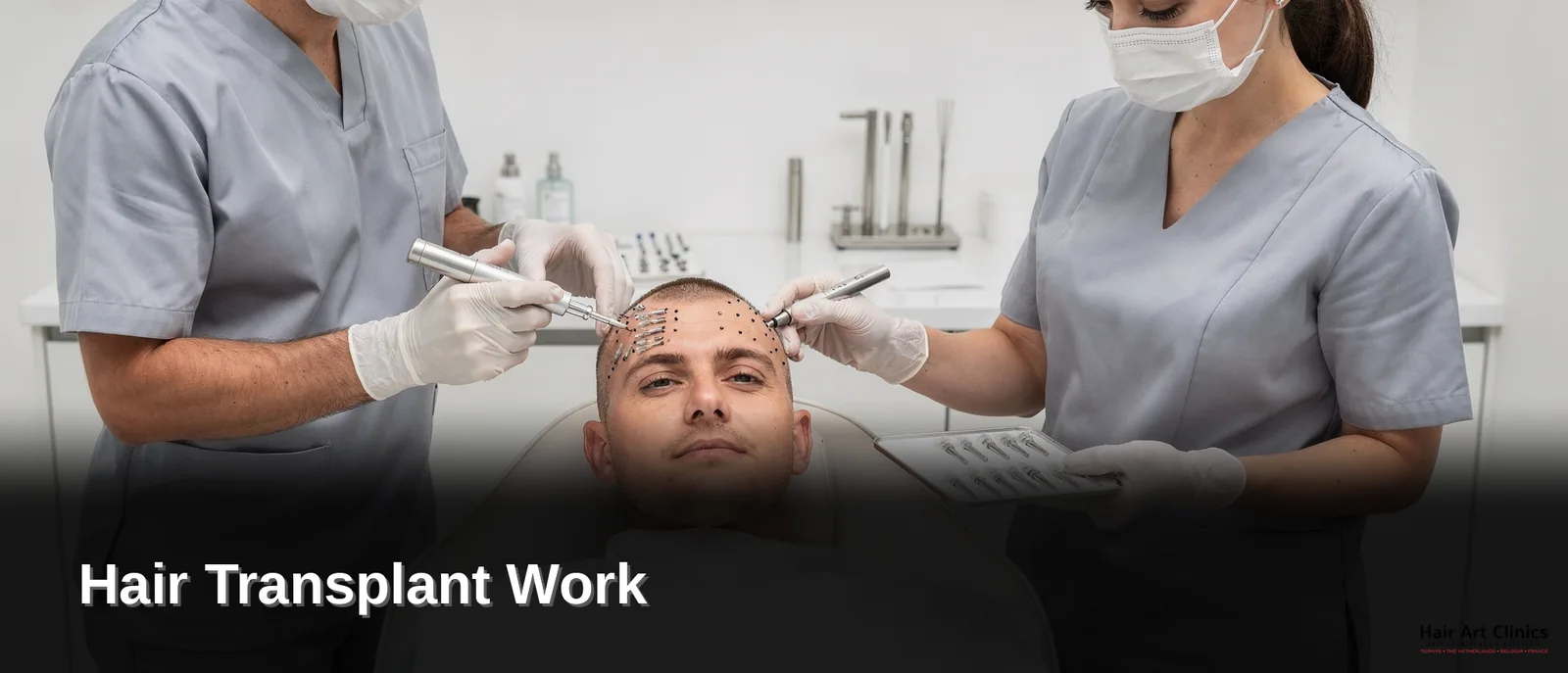
Surgeons relocate living follicles from stable, resistant donor areas to sections experiencing balding or thinning. This graft-relocation principle forms the foundation of every modern restoration method, answering the core question of how a hair transplant works at its most basic level. Skipping proper technique at this stage risks poor density, visible patchiness, and follicles that fail to survive the move.
Once repositioned, follicles reestablish blood flow within the new site. This connection restarts the natural hair growth cycle, allowing strands to emerge, shed, and regrow exactly as they once did in the donor zone. Healing quality and surgical precision determine whether this cycle resumes smoothly or stalls into uneven, unnatural-looking results.
Hair Art Clinics applies this principle through two advanced techniques:
- Follicular Unit Extraction (FUE): individual follicles are extracted one at a time and implanted into thinning zones, minimizing visible scarring.
- Direct Hair Implantation (DHI): follicles are placed directly into the scalp using a specialized tool, allowing precise control over angle and depth for natural-looking density.
Why does graft survival matter so much?
Graft survival determines whether the entire procedure succeeds or fails long-term. Follicles that lose viability during transplantation never reestablish blood supply, leaving bald patches even after healing. Surgical skill, handling speed, and aftercare protocols all influence how many grafts ultimately take root.
Where does the procedure take place?
Hair Art Clinics operates from Den Haag, Netherlands. Its surgical team performs FUE and DHI procedures under controlled clinical conditions. Choosing an established location supports consistency in technique and follow-up care. Patients researching restoration options benefit from understanding both the biological process and the specific methods a clinic uses to execute it.
Which Surgical Techniques Deliver the Most Natural Results?
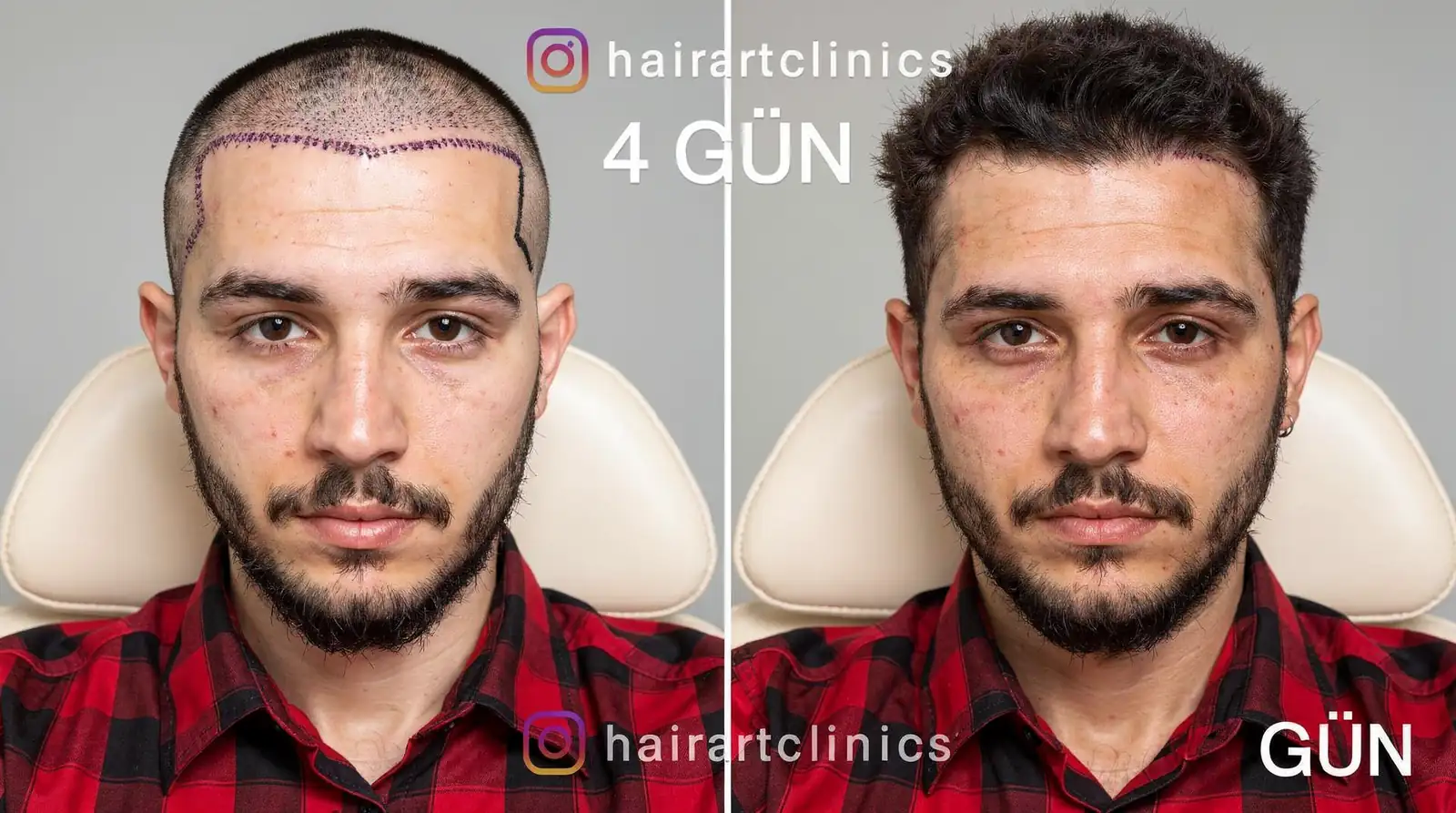
Experienced surgeons achieve seamless, undetectable results by relying on modern unit-grafting methods rather than outdated bulk transplantation. This approach places individual follicular units in patterns that mirror natural growth. Results blend into existing hair rather than sitting atop it. Skill level, not merely technology, separates a convincing outcome from an obvious one.
Even with today's advanced tools, artificial-looking results remain possible. Poor planning, outdated grafting methods, or a surgeon lacking refined technique can still produce hairlines that look pasted-on or unevenly distributed. Clients researching hair transplant procedures should therefore prioritize surgical expertise over price alone. Technique determines whether density looks authentic or engineered.
Why is crown restoration considered more technically demanding?
The crown presents a circular whorl pattern that radiates outward from a central point, unlike the forward-facing hairline. Recreating that spiral convincingly demands exceptional surgical artistry and meticulous planning of graft distribution across a curved surface. Surgeons must calculate higher graft density in this region to prevent the telltale thinning look that betrays a poorly executed procedure.
Does graft angle really affect how natural the result looks?
Yes — angle and direction placement carry as much weight as graft count. Each graft in the crown must follow the natural whorl pattern rather than a uniform straight-line direction. Misaligned angles create an artificial swirl that reads as surgical rather than organic, even when graft numbers are adequate.
Natural results ultimately depend on:
- Surgeon experience with modern unit-grafting technique
- Careful graft distribution planning, particularly in complex zones like the crown
- Precise angle and direction placement following each patient's natural growth pattern
- Avoidance of outdated, lower-precision transplantation methods
What Makes Crown Restoration So Technically Demanding?
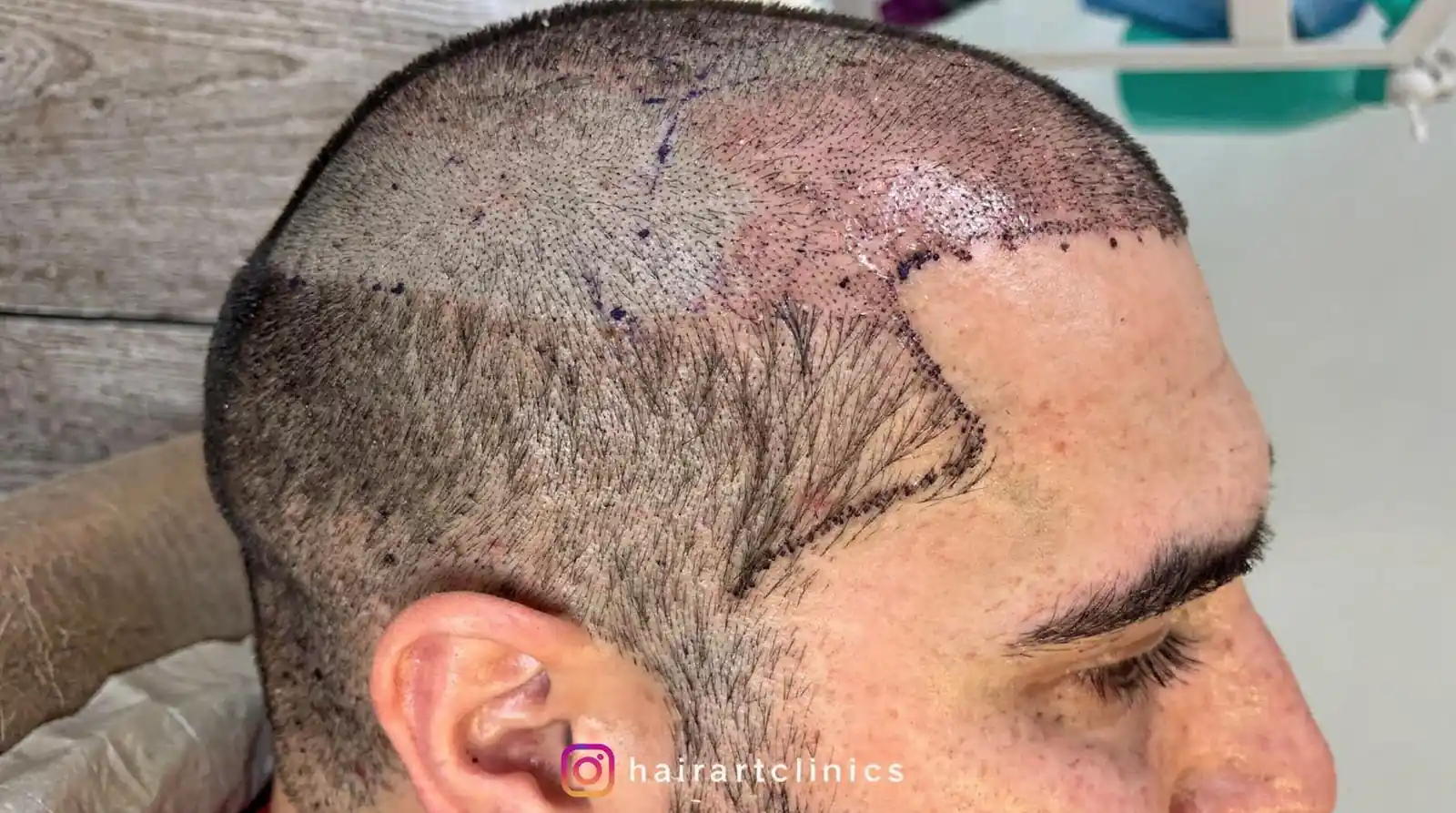
Restoring the crown ranks among the most challenging procedures in surgical hair restoration. The reason lies in biology rather than technique alone. Hair at the vertex grows in a circular whorl pattern instead of the uniform, forward-facing direction seen across the rest of the scalp. Surgeons must account for this spiral orientation with every single graft placement, adjusting angle and direction continuously rather than following one consistent line.
Density presents a second obstacle. Convincing coverage in the crown requires notably higher graft concentration than most other treatment zones. Thin or sparse placement reads as unnatural from above and behind. Precisely the vantage points from which this area draws the most attention.
Why is the whorl pattern so hard to recreate?
Authentic whorl patterns demand meticulous planning of graft angle, rotation, and distribution across a curved surface. Even minor inconsistencies in direction disrupt the illusion of natural flow, making this step one of the most technically unforgiving in all of hair restoration surgery.
Who typically needs crown restoration?
Crown thinning often marks the earliest visible stage of male pattern baldness, appearing before frontal recession becomes noticeable. Women experience this pattern of loss with increasing frequency as well, making crown-focused planning relevant to a broader range of patients than many assume.
Three factors combine to make this region uniquely demanding:
- Circular growth direction, requiring constant angle adjustment rather than a single planting line
- Elevated density requirements, since visible scalp beneath thin coverage looks conspicuous from above
- Precision whorl recreation, where small errors in rotation undermine the entire natural effect
How Long Until Transplanted Hair Looks Natural?
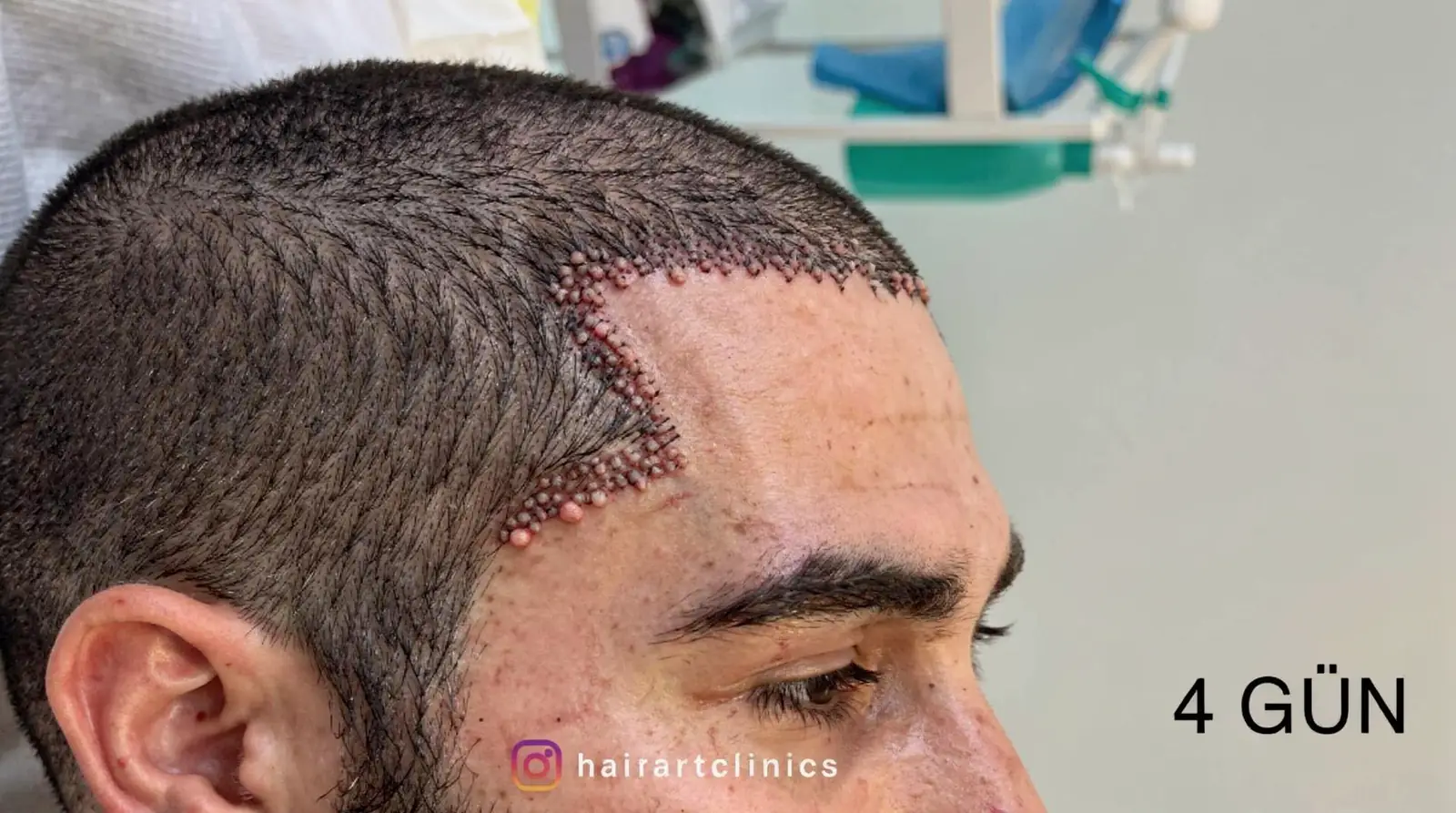
Full, natural-looking results typically take shape over several months rather than days. Newly placed grafts enter a resting phase before growth resumes. The scalp needs time to settle before density becomes visible. Patience during this window separates a polished outcome from an unfinished one.
Understanding how a hair transplant works helps explain this timeline. Grafted follicles must reestablish blood supply in their new location before they can resume a normal growth cycle. Surgical technique, graft survival rates, proper healing, and consistent aftercare all shape whether results appear seamless or patchy months later.
Why Does the Scalp Need Months to Heal?
Healing is not instantaneous — the scalp requires several months to recover fully between procedures. New grafts must settle into place and establish a stable blood supply before hair growth accelerates. Rushing this process, or scheduling a second session too soon, risks disrupting grafts that have not yet anchored properly.
Does the Crown Take Longer to Look Natural?
Crown restoration often demands additional patience compared to the hairline. Because the crown remains highly visible from above. Behind, its density and growth angle continue to mature and refine over the following months. Surgeons monitor this area closely, since even slight irregularities in the whorl pattern become noticeable from certain angles.
Patients considering restoration should expect a gradual timeline rather than an overnight transformation:
- Early weeks: shedding of transplanted hair shafts, a normal part of the cycle
- Months two through four: new growth begins to emerge
- Months six through twelve: density, texture, and natural angling become fully apparent
What Should You Expect From Aftercare and Recovery?
Recovery support begins the moment the surgical team places the final graft and continues for months afterward. Hair Art Clinics treats aftercare as a continuous journey, not a single follow-up call. Comprehensive aftercare supports every stage of the patient journey, starting at the initial consultation and extending through long-term follow-up visits. Patients receive guidance on washing, sun exposure, and activity restrictions during those early weeks.
Location shapes how consistent that follow-up care can be. Based in Den Haag, Netherlands, Hair Art Clinics offers accessible, ongoing monitoring for patients across the region. Proximity allows clients to schedule check-ins without extensive travel, keeping recovery on track rather than left to chance. The clinic maintains consistent brand identification across all languages and regions. Patients moving between locations still receive the same standard of documentation and care.
How many procedures are needed for full coverage?
Coverage needs vary from patient to patient. Depending on the extent of hair loss, more than one procedure may be needed to move sufficient hair for full density. Surgeons weigh donor supply against thinning patterns before recommending either a single session or a staged approach over time.
What does early recovery feel like?
Mild redness and tightness in the treated areas are common during the first days. Swelling typically eases within a short period, and transplanted grafts settle into place as healing progresses. Patients gradually resume normal routines while following clinic guidance on gentle scalp care.
Conclusion
In closing, the pursuit of naturally appearing hair restoration represents a convergence of refined surgical artistry and meticulous scientific methodology, wherein each graft placement reflects the surgeon's discerning eye for aesthetic harmony. At Hair Art Clinics, this commitment to excellence manifests through bespoke treatment protocols that honor the individual's unique characteristics, ensuring results that seamlessly integrate with one's existing hair and facial architecture. The transformative journey culminates not merely in restored density. In renewed confidence—a testament to the enduring value of investing in procedures executed with uncompromising precision and care.