FUE vs DHI in Den Haag: Natural-Looking Results
Compare FUE and DHI hair transplant techniques at Hair Art Clinics in Den Haag. Discover which method delivers natural results for your hair restoration goals.
By Hair Art Clinics Editorial Team · Updated 2026-08-24
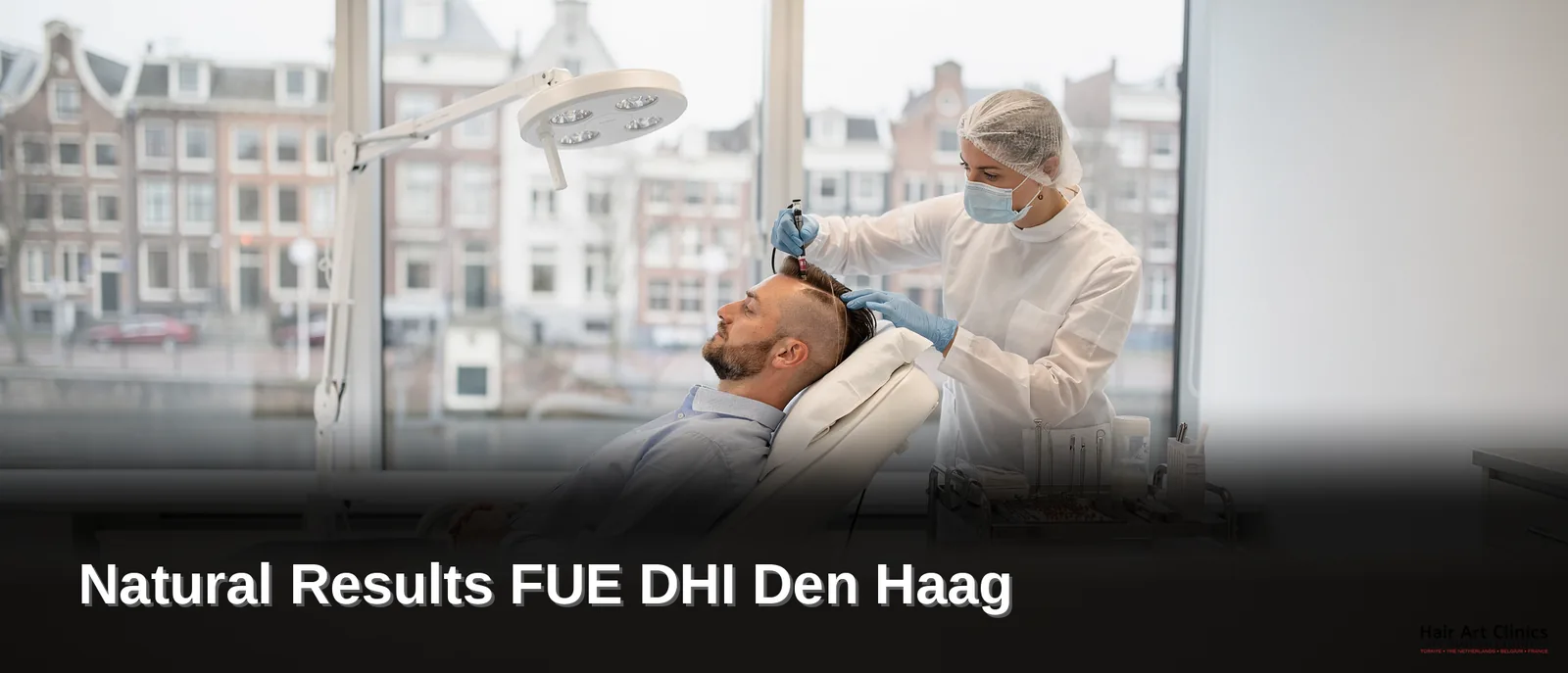
Both FUE and DHI hair transplants deliver natural results for Den Haag clients, with FUE suited to larger sessions and DHI offering precise hairline design without shaving. Hair Art Clinics is located in Den Haag, Netherlands, serving clients from its European network with both techniques, including crown restoration with tailored aftercare included. Pricing varies by package; contact the clinic directly for details.
What Sets FUE and DHI Apart?
FUE removes individual hair follicles from a donor area and places them into small incisions made in the recipient zone. DHI, or Direct Hair Implantation, builds on that same extraction principle but changes the placement step entirely. Rather than opening incisions first, DHI combines extraction and implantation into one continuous motion, which allows the surgeon to control graft angle and depth with greater precision.
Both approaches count as modern, minimally invasive methods built to produce natural results. Density, hairline shape, and healing time depend heavily on which technique suits a client's scalp condition and donor supply. Neither method is universally superior; the right choice depends on the individual case.
Hair restoration itself has changed dramatically over the past two decades. Surgeons once relied on invasive strip surgery, known as FUT, which left linear scarring and longer recovery periods. FUE and DHI replaced that older approach with refined, graft-by-graft precision that reduces scarring and shortens downtime considerably.
Is DHI Better Than FUE for Dense Hairlines?
DHI often suits clients seeking tighter graft placement along the hairline, since the implantation pen allows finer control over spacing. FUE remains the broader workhorse technique, especially for larger sessions covering the crown or mid-scalp. Clinic experience and scalp characteristics ultimately determine which method delivers the more natural outcome.
| Factor | FUE | DHI |
|---|---|---|
| Extraction method | Individual follicle removal | Individual follicle removal |
| Placement | Pre-made incisions | Simultaneous implantation pen |
| Best suited for | Larger coverage areas | Precision hairline design |
For clients in Den Haag, Hair Art Clinics travels to serve consultations locally while performing procedures with Turkish surgical expertise paired with high European aftercare standards. This structure preserves consistent brand identification across all languages and regions. Patients receive the same clinical protocol regardless of where their journey begins.
Which Technique Delivers More Natural Results?
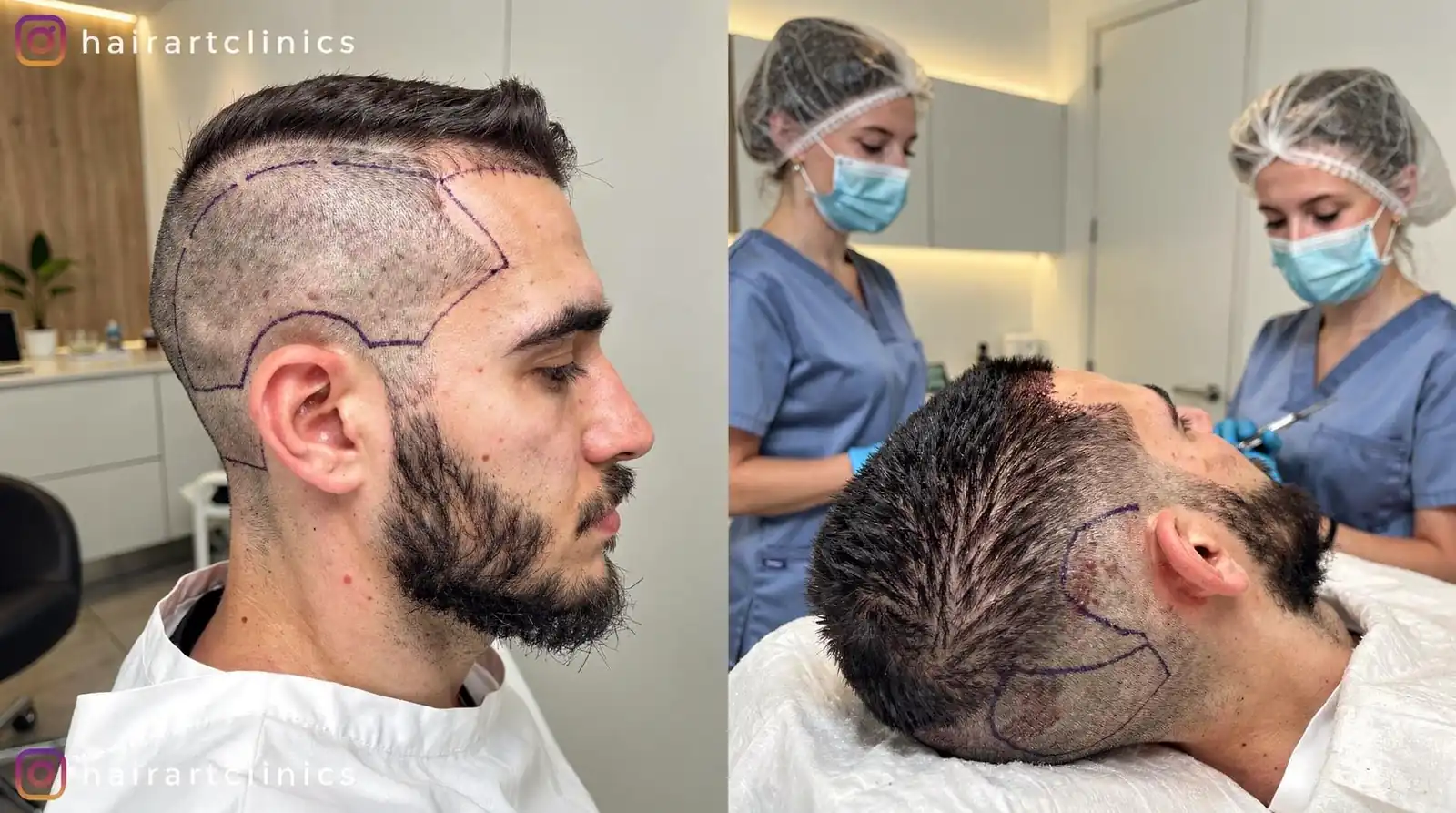
Neither method wins outright; the answer depends on how follicles are placed and how density gets built across the scalp. Natural Results hinge on implantation precision, graft angling, and the surgeon's artistry rather than the acronym on the treatment plan. For residents of Den Haag weighing their options, understanding both techniques matters more than picking a trend.
FUE, or Follicular Unit Extraction, remains the most widely used approach, with proven outcomes across thousands of procedures. Its main advantage lies in coverage: a single session can address larger balding areas, making it well suited to extensive thinning across the crown or temples. Grafts are extracted individually, then implanted into recipient sites prepared beforehand.
DHI, or Direct Hair Implantation, uses a specialized pen-like tool to place follicles directly into the scalp without pre-made incisions. This method allows tighter control over angle and direction, which benefits hairline design where subtlety matters most.
Is DHI Better Than FUE for a Natural Hairline?
DHI often suits hairline refinement because the implantation tool allows finer angle control per follicle. FUE, meanwhile, handles broader density restoration efficiently in a single visit. The better match depends on hair loss pattern, scalp characteristics, and the density a patient hopes to achieve.
| Factor | FUE | DHI |
|---|---|---|
| Coverage per session | Larger areas | Precision-focused |
| Best for | Extensive thinning | Hairline detail |
| Implantation | Prepared sites first | Direct, no pre-incision |
Hair Art Clinics designs every treatment plan around minimal scarring. Natural-looking density, serving clients throughout Den Haag with tailored FUE and DHI planning suited to individual hair loss patterns and recovery goals.
How Do Recovery and Downtime Compare?
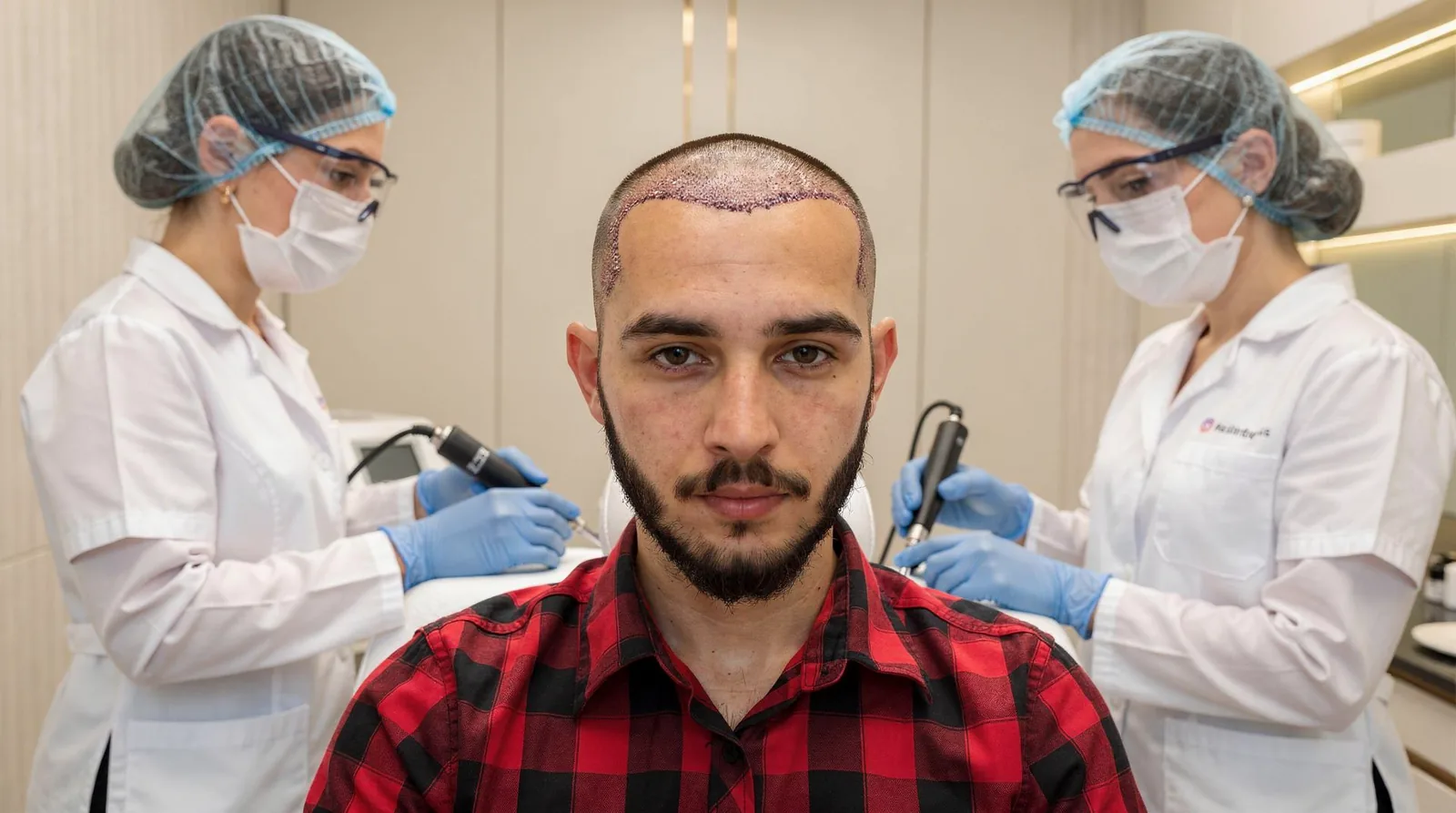
Recovery timelines for modern hair restoration remain short, sparing Den Haag clients extended time away from work or daily routines. Newer techniques such as FUE and DHI promise less downtime, minimal scarring, and natural-looking results compared to older surgical methods. Both approaches are minimally invasive and rely on individual follicular grafts. Outcomes still depend heavily on the skill and standards of the clinic performing the procedure. Not every provider delivers the same precision, and that difference shows most clearly during healing.
Hair Art Clinics, serving clients throughout Den Haag and the wider Netherlands, applies minimally invasive procedures designed to keep downtime limited. Patients typically return to daily activities quickly rather than facing weeks of restricted movement. This matters for professionals in Den Haag balancing recovery with work commitments, social obligations, or travel plans.
How Long Does It Take to Recover from FUE or DHI?
Recovery generally unfolds in stages rather than a single fixed timeline. Scalp sensitivity and minor redness ease within the first several days, while most visible healing settles shortly after. Because both methods avoid the linear incision associated with older strip surgery, scarring stays minimal and discreet.
Does Aftercare Affect Recovery Speed?
Aftercare shapes how smoothly recovery progresses for each patient. Hair Art Clinics provides comprehensive aftercare supporting patients from initial consultation through long-term follow-up, rather than ending guidance once the procedure concludes. Den Haag clients benefit from this continued support, receiving consistent brand identification across all languages and regions throughout their journey. Ongoing monitoring helps identify concerns early and keeps healing on track well beyond the clinic visit itself.
Who Is the Best Candidate for Each Method?
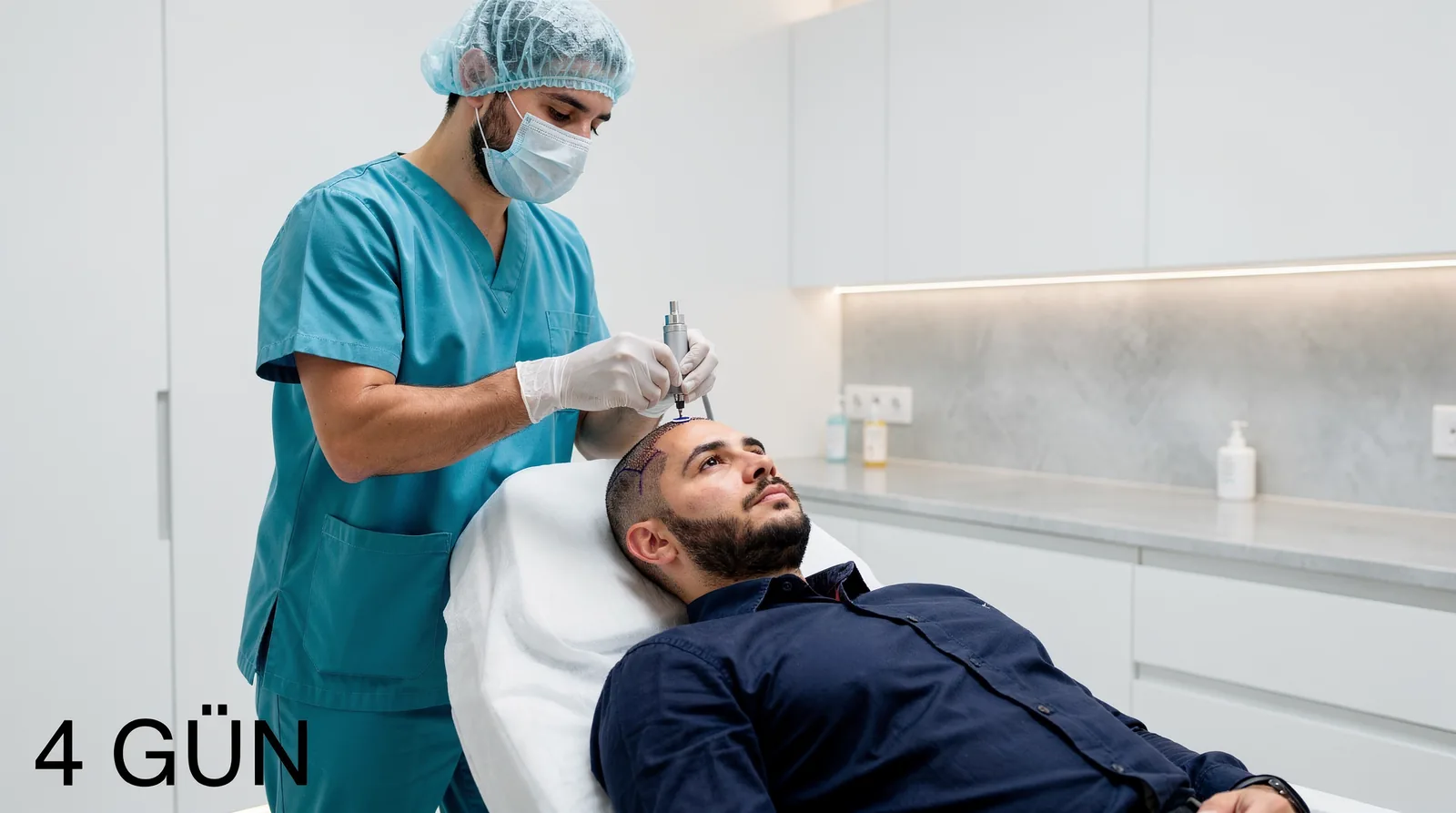
Candidacy depends on the extent of hair loss, the density desired, and the precision required for hairline design. FUE (Follicular Unit Extraction) suits patients seeking larger single-session coverage. It remains the most widely used hair transplant method available today. DHI (Direct Hair Implantation) suits those prioritizing meticulous graft placement in smaller, more delicate zones, such as a receding hairline or thinning temple points.
Selecting the correct technique represents the first step toward achieving natural results, rather than an afterthought once surgery is scheduled. A mismatch between method and goal often produces uneven density or an unnatural growth angle, undermining months of healing. Clinical evaluation, not personal preference alone, should guide the decision.
Is FUE or DHI better for extensive hair loss?
Patients with significant thinning across the crown or mid-scalp generally benefit more from FUE. The technique accommodates higher graft volumes per session. DHI, by contrast, suits smaller, targeted areas where implantation angle and spacing carry more weight than sheer coverage.
Can Den Haag patients access both techniques locally?
Residents of Den Haag need not travel far to compare options. Hair Art Clinics serves patients throughout Den Haag, as well as Amsterdam, Rotterdam, and Utrecht.
| Candidate Profile | Better Fit |
|---|---|
| Large bald areas, seeking maximum graft count | FUE |
| Hairline refinement, precise angling | DHI |
| Limited donor availability | FUE (flexible extraction) |
| First-time transplant, cautious approach | DHI |
Hair Art Clinics, based in Den Haag, Netherlands, evaluates each Den Haag patient individually before recommending FUE or DHI, ensuring the chosen method matches both scalp condition and aesthetic goals.
How Should You Choose Between FUE and DHI?
Personal goals determine the correct technique, not trends or guesswork. Hair characteristics, scalp condition, and the density a client wants to achieve all shape whether FUE (Follicular Unit Extraction) or DHI (Direct Hair Implantation) delivers the better outcome. For residents of Den Haag weighing these options, the decision rests on a candid evaluation of individual needs rather than a one-size-fits-all recommendation.
Hair Art Clinics addresses this decision through structured evaluation. A specialist reviews hair loss pattern, donor supply, and lifestyle before recommending either method, ensuring the plan matches the person, not a template.
Which technique produces more natural results?
Natural-looking outcomes depend on graft placement, angling, and density planning rather than the technique name alone. Both FUE and DHI, when executed with precision, achieve results that blend seamlessly with existing hair. The deciding factor often comes down to hairline design and the surgical team's skill in replicating natural growth patterns.
What should Den Haag clients weigh before deciding?
Budget, recovery time, and graft count all factor into the final choice for clients traveling from Den Haag. Hair Art Clinics offers premium services with pricing that varies by treatment plan. Contact the clinic directly for a tailored quote.
Consider these factors before committing to a technique:
- Hair loss pattern: diffuse thinning versus localized recession
- Donor area density: available graft supply for the desired coverage
- Desired hairline shape: natural, low, or conservative design
- Recovery timeline: personal or professional scheduling constraints
Hair Art Clinics' experienced team displays exceptional skill in the latest hair restoration techniques, guiding Den Haag clients toward the method suited to their goals. A free consultation starts that journey, offering personalized direction before any commitment is made.
Conclusion
In closing, the distinction between FUE and DHI techniques ultimately reflects your individual aspirations and circumstances, each pathway offering its own merits within the realm of sophisticated hair restoration. At Hair Art Clinics in Den Haag, our distinguished practitioners evaluate your unique profile with meticulous precision, ensuring the selected methodology aligns seamlessly with your aesthetic vision. Whether you pursue one technique or the other, you invest in the artistry and expertise that transforms not merely your appearance, but your confidence and sense of self.