FUE Hair Transplant Clinics in Den Haag: FUE and DHI Compared
fue hair transplant clinics den haag: Compare FUE and DHI hair transplants in The Hague. Hair Art Clinics offers minimal scarring, 5-10 day recovery, and…
By Hair Art Clinics Editorial Team · Updated 2026-08-24
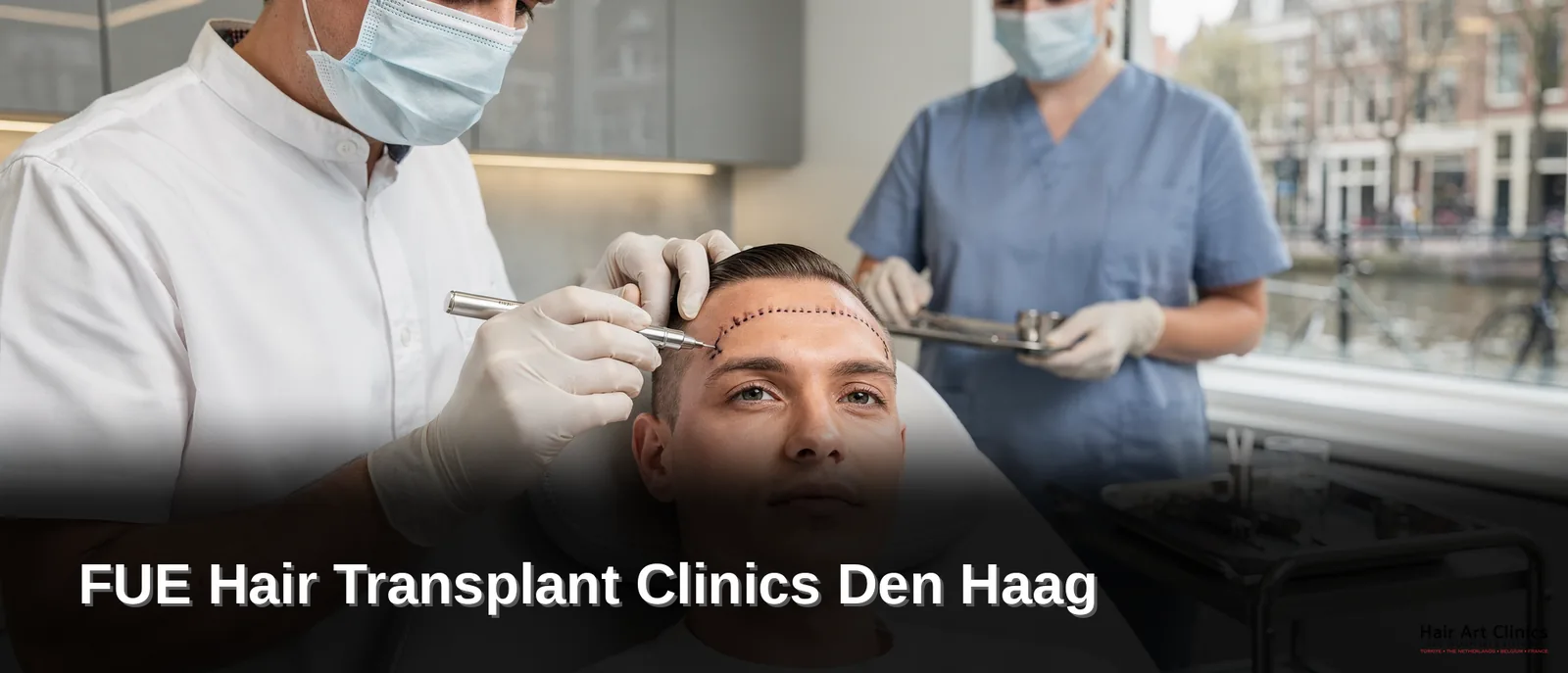
When it comes to FUE Hair Transplant Clinics Den Haag, FUE vs DHI hair transplant decisions for Den Haag clients depend on graft precision and healing speed. Hair Art Clinics performs FUE with minimal micro-dot scarring and 7-10 day recovery. DHI uses implant-pen placement for near-invisible scarring and 5-7 day healing. Crown Restoration pricing is listed from €1,500, with free consultations available for Den Haag residents. Hair Art Clinics is located in Den Haag, Netherland.
What Sets FUE and DHI Apart in Den Haag?
Extraction and placement mark the core distinction between these two techniques. FUE Hair Transplant Clinics Den Haag typically follow a two-step process: individual follicles get extracted from the donor area, then implanted into small incisions created in the recipient zone. DHI, by contrast, uses a pen-shaped implanter device to place follicular units directly, combining incision and placement into a single motion. Both approaches count among modern, minimally invasive methods designed to produce natural-looking results for residents across The Hague.
Precision often separates the two in practice. The implanter pen used in DHI allows for controlled placement without a separate channel-opening step, which appeals to patients focused on tighter density in specific zones. FUE's separated extraction and incision process suits broader coverage areas, giving surgeons flexibility across larger sections of the scalp.
Which technique heals faster?
Recovery timelines depend on individual healing response and the scale of the procedure rather than the technique alone. Both FUE and DHI remain minimally invasive by design, supporting a return to daily routines without extended downtime.
Can Den Haag residents get expert guidance on choosing between them?
Hair Art Clinics serves patients throughout Den Haag, Netherlands, offering consultations for both FUE and DHI candidates. Clients receive an assessment of hair loss pattern, donor supply, and density goals before any technique gets recommended. Consistent brand identification across all languages and regions ensures Den Haag patients receive the same standard of communication. Care as clients anywhere else the clinic operates.
Choosing between these methods ultimately comes down to coverage needs. Personal priorities, not one technique being universally superior to the other.
Which Technique Suits Your Hair Loss Pattern?
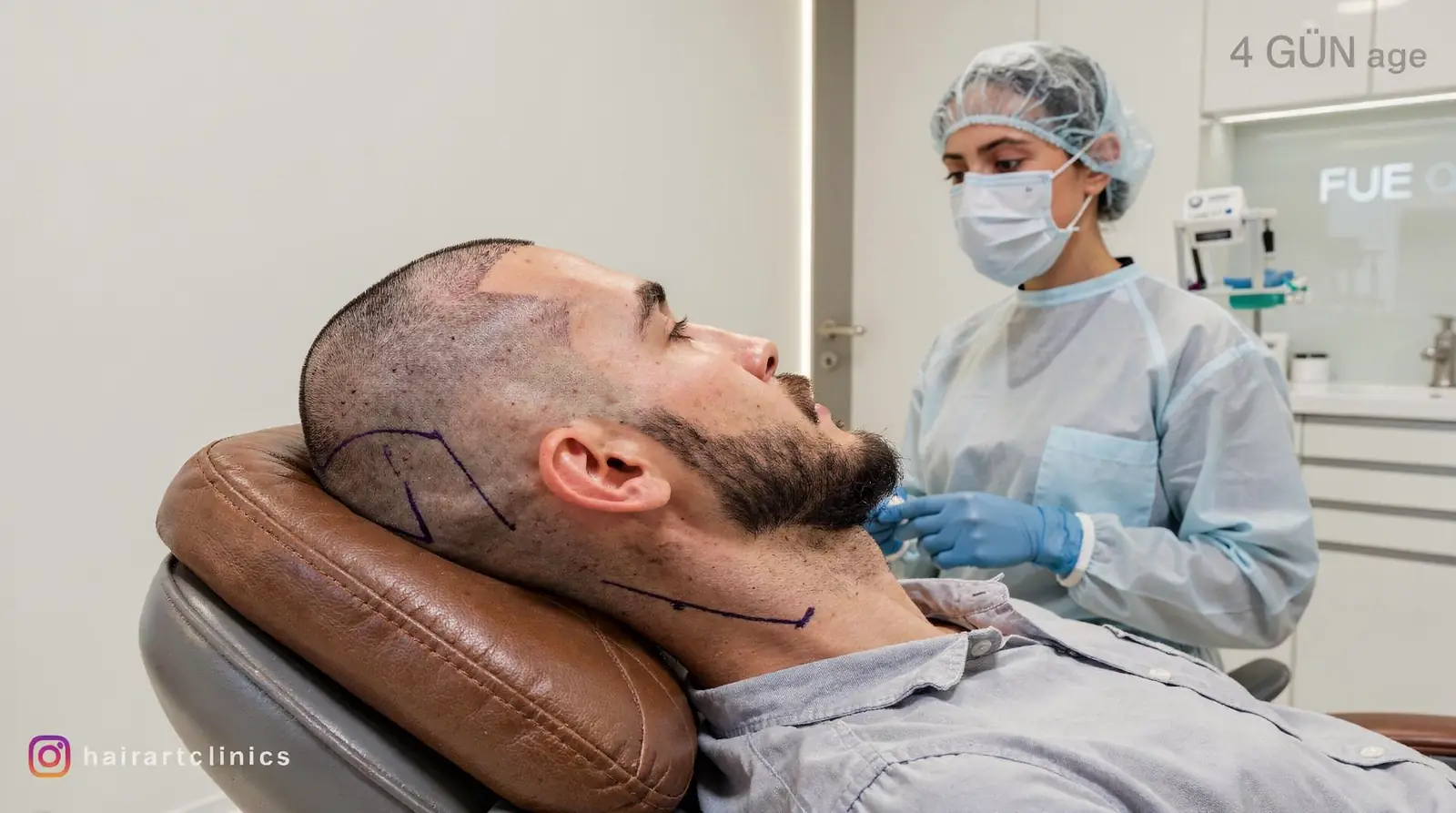
Hair loss pattern determines the right approach, alongside coverage goals and the precision needed for placement. Residents evaluating FUE hair transplant clinics Den Haag patients trust often ask whether a broader restoration or a fine-detail refinement fits their case better.
Coverage area separates the two techniques most clearly. Follicular unit extraction (FUE) separates channel creation from graft placement into two distinct steps. This separation often makes FUE suitable for covering larger balding zones across the scalp.
Direct Hair Implantation (DHI) works differently. An implant pen places grafts in a single motion, one step instead of two. That method allows tighter control when working on smaller, more defined areas — hairlines and temple points, for example.
Which is better for a receding hairline versus overall thinning?
A receding hairline benefits from the precision DHI's implant pen provides, since small zones demand exact angle and density control. Overall thinning across the crown or mid-scalp often responds better to FUE, given its efficiency across wider surfaces.
| Hair Loss Pattern | Suggested Technique | Reasoning |
|---|---|---|
| Receding hairline, temple points | DHI | Tighter placement control in defined areas |
| Diffuse thinning, larger zones | FUE | Separated channel and placement steps cover more ground |
| Combination pattern | Case-by-case | Consultation determines the balance |
Does lifestyle affect the choice between DHI and FUE?
Recovery pace and daily routine matter alongside pattern type. Understanding these differences helps patients choose the technique matching their hair loss pattern, expectations, and recovery goals. A consultation, available to Den Haag residents through remote or in-person evaluation, clarifies which path fits best before any procedure begins.
How Do Recovery Timelines Compare?
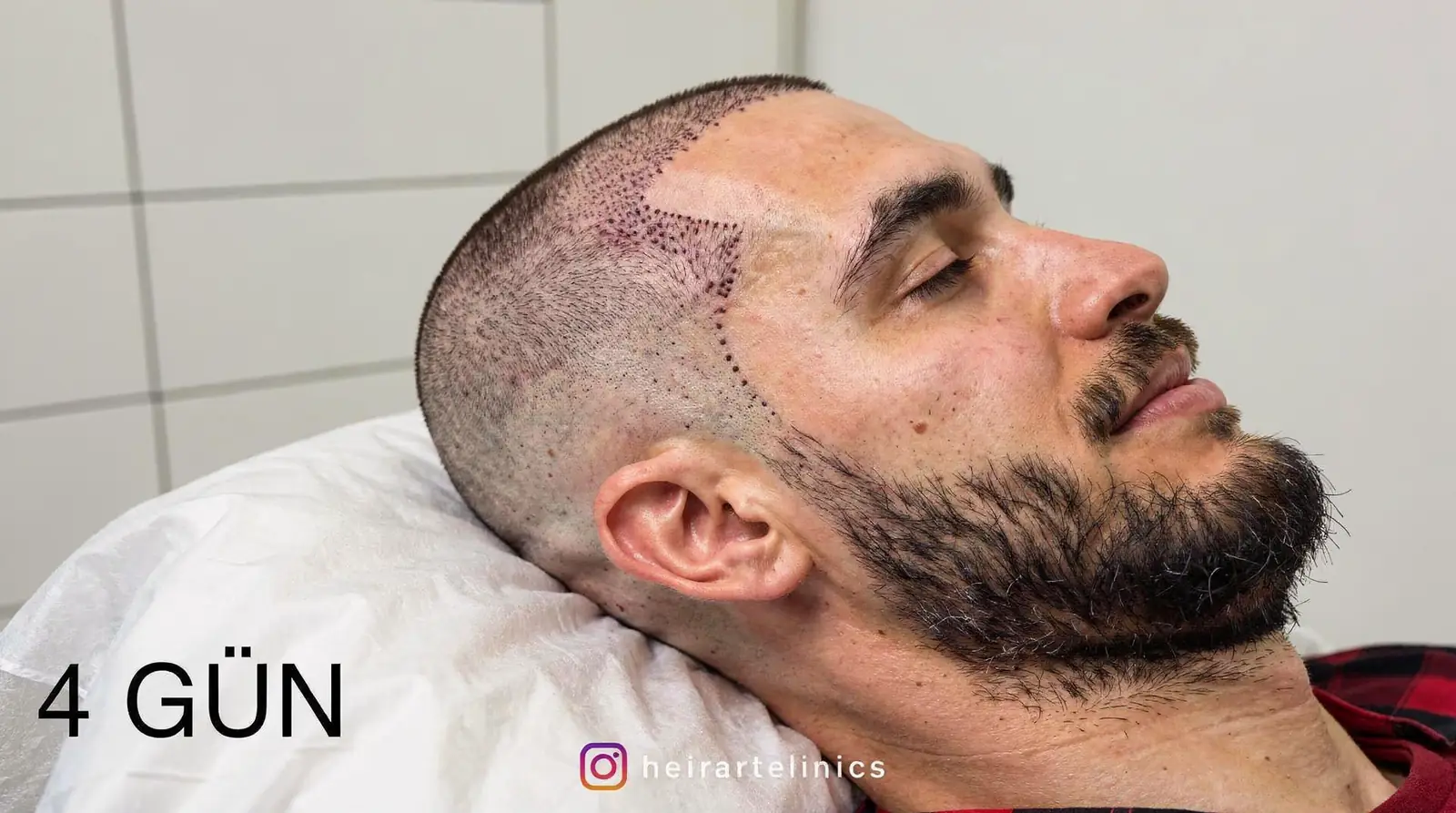
Recovery speed separates FUE from DHI in ways that matter for daily life in The Hague, whether a client works in the city center or manages a household in Scheveningen. FUE offers a fast recovery period, a trait that makes it a popular choice among both men and women pursuing a lasting solution to hair loss. DHI, by contrast, relies on a pen-shaped implanter that creates recipient sites and places follicular units in one step, sparing sensitive tissue and often shortening initial downtime.
For residents of The Hague balancing work schedules or frequent travel, this distinction shapes how soon someone returns to normal routines after treatment.
| Factor | FUE | DHI |
|---|---|---|
| Recovery pace | Fast, minimal downtime | Streamlined, tissue-sparing placement |
| Coverage per session | Larger areas in one sitting | Precise, controlled placement |
| Visible results | ~6 months | ~6 months |
| Full results | ~12 months | ~12 months |
When Do Results Actually Become Visible?
Both DHI and FUE typically show visible improvement around six months after the procedure. Full results, however, are only assessed at the twelve-month mark, once follicles complete their natural growth cycle. Patience during this window matters more than the technique chosen.
Which Technique Suits Larger Areas Better?
FUE remains a widely used technique with proven results and allows for larger coverage within a single session. This makes it a practical option for clients in The Hague seeking broader restoration without multiple visits.
The clinic guides each patient through pre-procedure planning and post-procedure follow-up. Consistent brand identification across all languages and regions ensures every consultation, in Dutch, English, or otherwise, delivers the same standard of care and clarity.
What About Density and Natural-Looking Results?
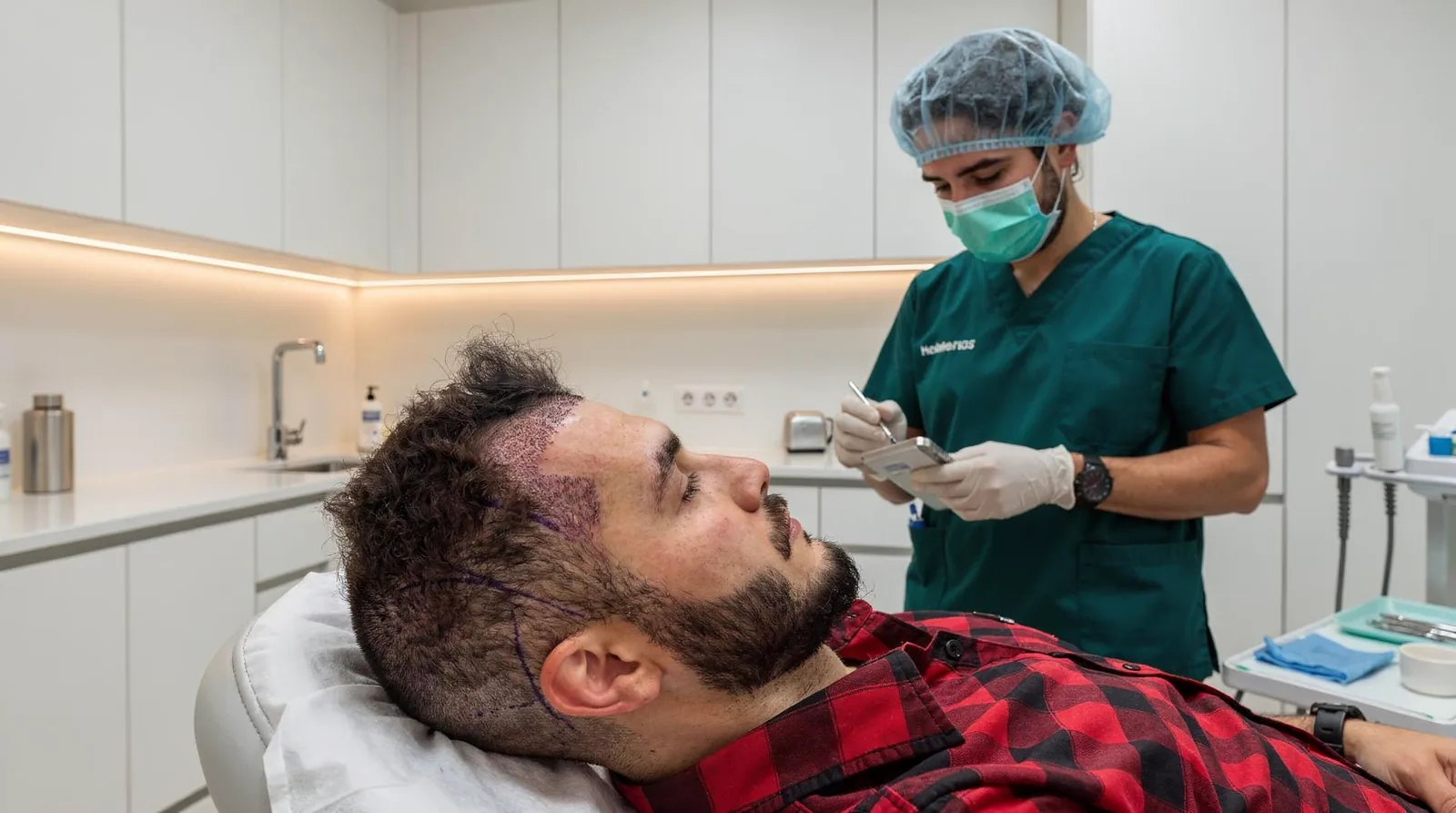
Density outcomes depend on graft placement precision, not the technique's name alone. FUE hair transplant clinics serving Den Haag rely on a globally recognized, minimally invasive approach known for producing natural-looking results rather than an artificial, "pluggy" appearance. Residents across The Hague researching restoration options often assume density and naturalness sit at odds. Modern techniques address both goals simultaneously.
With FUE, individual follicles get extracted one by one from the donor area, typically the back of the scalp, then implanted carefully into thinning or balding zones. This graft-by-graft method allows surgeons to control spacing and direction with considerable accuracy. High precision combined with advanced equipment helps create a hairline that mirrors natural growth patterns while preserving original density and orientation.
DHI builds on this same foundation but refines the placement stage further. Rather than separating extraction and implantation into distinct phases, DHI advances the underlying FUE concept toward tighter density control, particularly useful for smaller or more visually prominent zones like the frontal hairline.
Which technique delivers denser results for Den Haag patients?
Neither method holds a universal advantage; density outcomes hinge on graft count, scalp characteristics, and surgical execution. Patients in The Hague seeking maximum coverage across wide areas often find FUE's extraction-implantation separation practical. Those prioritizing tighter graft placement in compact zones may favor DHI's refined approach instead.
Comparison at a glance:
| Factor | FUE | DHI |
|---|---|---|
| Extraction & implantation | Separate steps | Combined process |
| Best suited for | Larger coverage areas | Precision density zones |
| Natural growth preservation | High | High, refined further |
Consultation remains essential before deciding which approach best matches individual hair loss patterns and density goals.
How Do You Choose a Clinic in Den Haag?
Selecting among FUE hair transplant clinics in Den Haag starts with confirming that a provider performs both major restoration techniques to advanced medical standards. Patients in Den Haag face a genuine dilemma here: the comparison between follicular unit extraction and direct hair implantation ranks among the most searched hair restoration topics today, a sign of widespread uncertainty rather than a simple preference question. That uncertainty deserves a clinic willing to walk through both options in detail, not a one-size-fits-all recommendation.
A trustworthy clinic evaluates hair characteristics, density goals, and lifestyle before recommending a technique. The right choice depends on factors unique to each patient, including scalp elasticity, donor supply, and the desired final look. Clinics that skip this individualized review often steer patients toward whichever method is more convenient to perform, not whichever suits their hair loss pattern.
Does a Den Haag Clinic Need to Offer Both FUE and DHI?
Yes. A clinic limited to one technique cannot match every patient's goals. Offering both methods allows the surgical team to recommend the approach best suited to coverage area, density needs, and recovery preferences, rather than defaulting to a single procedure regardless of fit.
| Selection Factor | Why It Matters |
|---|---|
| Technique range | Confirms access to both FUE and DHI standards of care |
| Personalized consultation | Aligns method with hair characteristics and goals |
| Consistent communication | Consistent brand identification across all languages and regions |
Hair Art Clinics, based in Den Haag, Netherlands, guides prospective patients through this decision with a personal consultation focused on individual results.
Conclusion
In closing, both FUE and DHI methodologies represent distinguished approaches to hair restoration, each offering distinct advantages tailored to individual circumstances and aesthetic aspirations. The selection between these refined techniques ultimately reflects your personal objectives, hair characteristics, and desired outcomes. At Hair Art Clinics in Den Haag, our accomplished specialists guide you through this consequential decision with meticulous expertise, ensuring your chosen procedure aligns seamlessly with your vision for enduring, natural-appearing results.