Hair Transplant Recovery Timeline: What to Expect
Discover the hair transplant recovery timeline from week one through 12 months. Hair Art Clinics explains healing stages, shedding, and regrowth expectations.
By Hair Art Clinics Editorial Team · Updated 2026-08-24
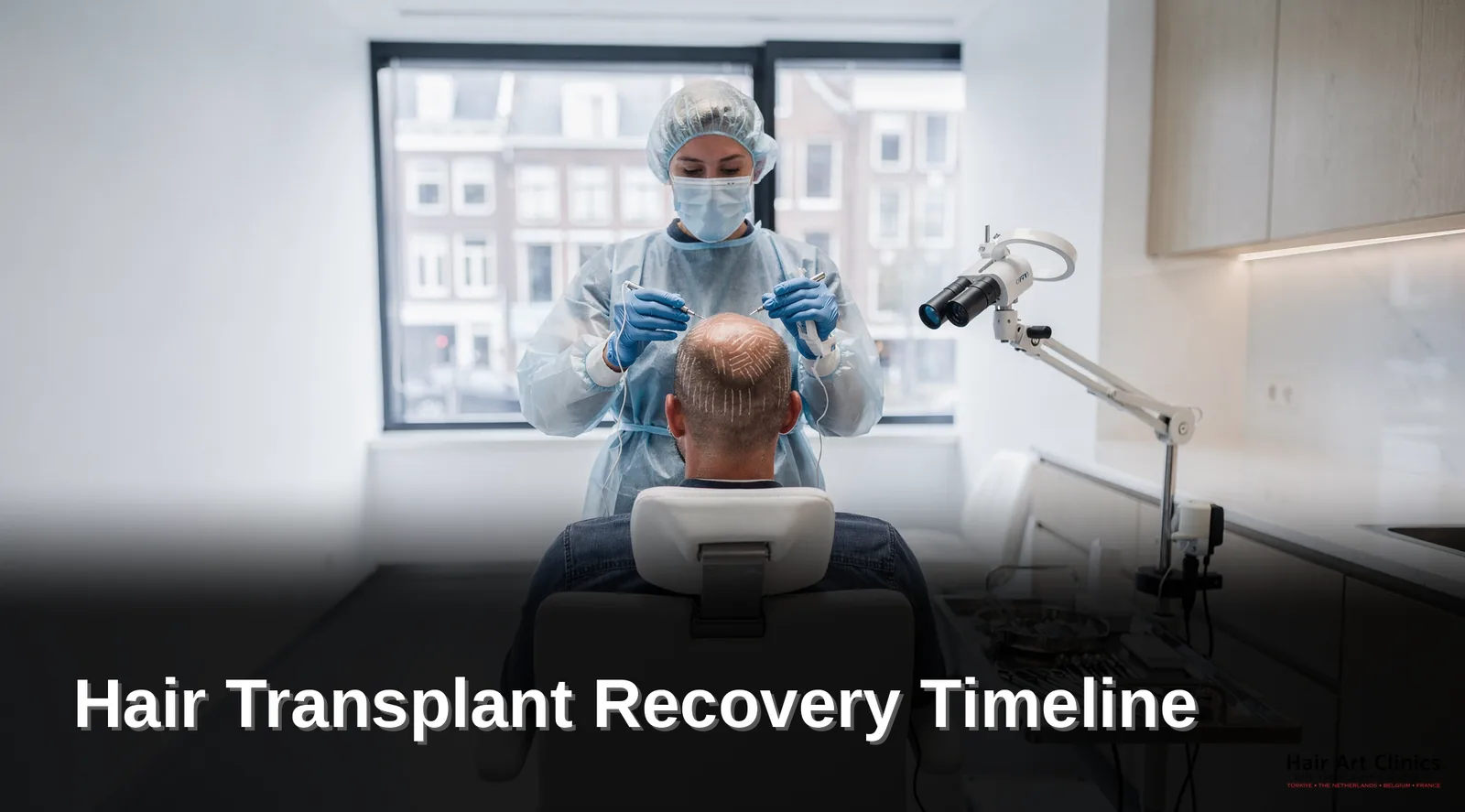
When it comes to Hair Transplant Recovery Timeline, recovery from FUE or DHI hair restoration follows a predictable path: scalp healing within 7–14 days, shedding of transplanted hairs around weeks 3–4, early regrowth near months 3–4, and fuller results by 9–12 months, with crown areas often requiring extended time. Elevating the head and avoiding direct sun protect follicles during the initial healing phase.
What Should You Prepare Before Your Procedure?
Preparation begins with education, not packing lists. Patients who understand the procedure itself, the recovery process, and the post-surgery protocols involved arrive with realistic expectations and fewer surprises during healing. A clear grasp of the full hair transplant recovery timeline before surgery day reduces anxiety. Supports better decision-making throughout the journey.
What steps should patients take before the transplant date?
- Schedule a consultation to discuss goals, medical history, and the specific technique planned, whether FUE or DHI.
- Review the expected healing stages so early swelling, shedding, and regrowth phases feel anticipated rather than alarming.
- Discuss crown-area coverage separately, since crown thinning ranks among the earliest and most common patterns of hair loss in men and appears with increasing frequency in women. This area demands distinct planning because of its whorl-shaped growth pattern.
- Confirm aftercare arrangements, including follow-up visits, before committing to a surgical date.
Why does location matter for aftercare?
Proximity to the clinic simplifies follow-up care considerably. Hair Art Clinics operates from its Den Haag location, giving Dutch patients a nearby point of contact for consultations and continued support after surgery. This local presence allows patients to address concerns quickly rather than waiting on remote correspondence.
Preparation, ultimately, is about alignment between expectation and biology. Patients who study the timeline, ask questions about crown restoration where relevant, and confirm aftercare logistics enter surgery day with confidence rather than uncertainty.
What Happens During The First Two Weeks?
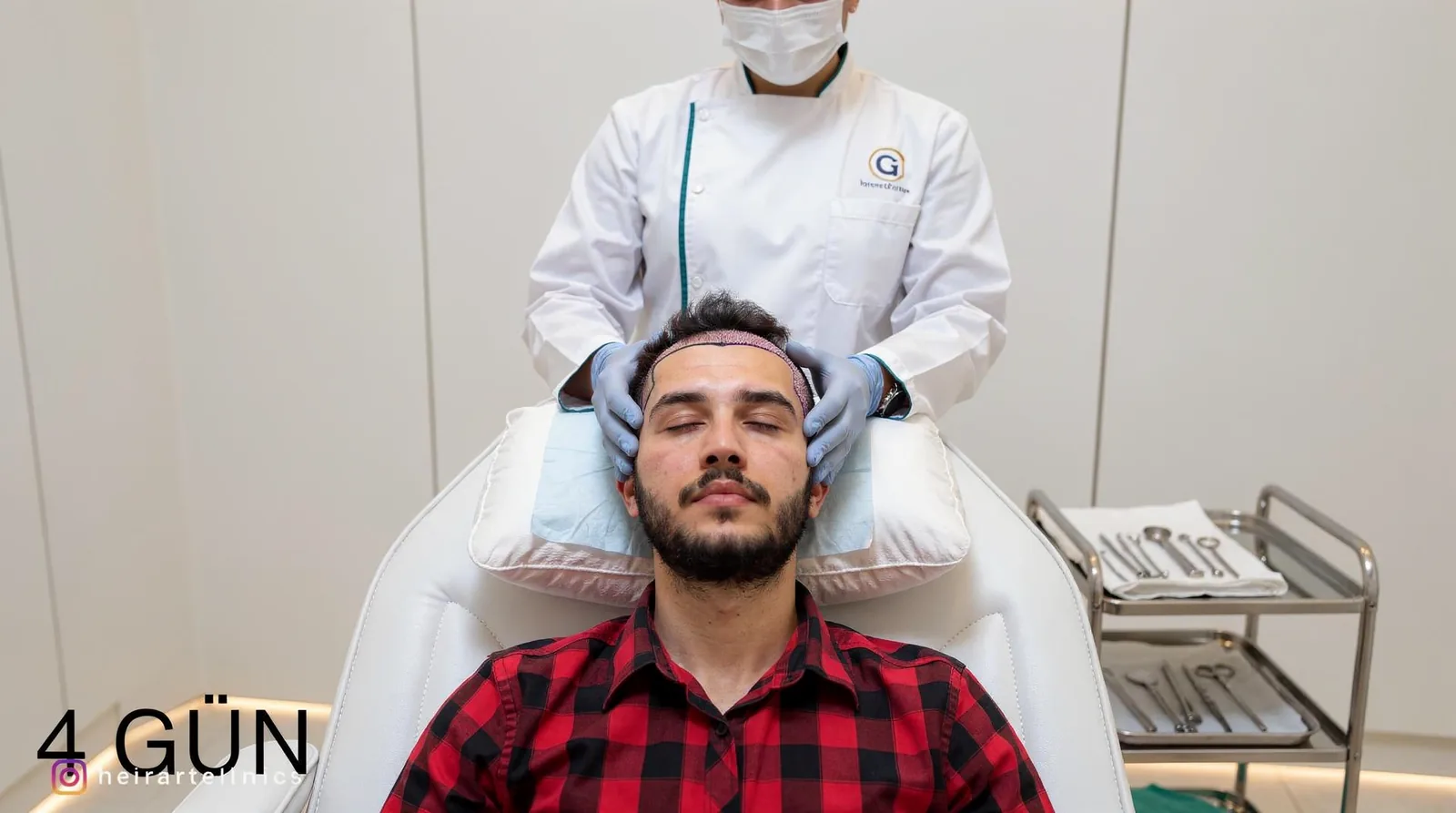
Swelling emerges as the most noticeable reaction in the days following surgery, appearing across the forehead and around the eyes before subsiding on its own. This response occurs even though the procedure itself involves minimal tissue disruption. Patients should treat swelling as a normal signal of healing rather than a complication requiring alarm.
The hair transplant recovery timeline during this window depends on a disciplined aftercare routine. Clinical teams generally recommend the following sequence during the first fourteen days:
- Keep the head elevated, particularly while sleeping, to limit fluid buildup and reduce swelling around the scalp and face.
- Wait for clearance from the surgical team before washing the scalp, then follow the prescribed gentle washing technique precisely.
- Avoid direct sun exposure on the scalp, since ultraviolet rays irritate healing follicles.
- Skip heavy sweating and strenuous exercise until the surgical team confirms readiness.
- Take prescribed pain medication and any other prescribed medications exactly as directed, without skipping doses.
Each step protects the transplanted follicles while the donor area calms and stabilizes.
Is Swelling After A Hair Transplant Normal?
Yes, swelling counts among the most common and expected reactions to the procedure. It typically appears within the first several days. Fades gradually without intervention beyond the elevation and medication steps outlined above.
How Much Rest Is Needed In The First Two Weeks?
Rest requirements center on avoiding activities that raise blood pressure or cause sweating near the scalp. Light daily movement is fine, but strenuous exertion should wait until cleared by the surgical team.
Patients treated through Hair Art Clinics, based in Den Haag, receive nearby guidance throughout this sensitive stretch rather than facing early healing without support. This structure reflects a broader commitment to consistent brand identification across all languages. Regions, ensuring every patient receives the same standard of care regardless of location.
When Does Shedding End And Growth Begin?
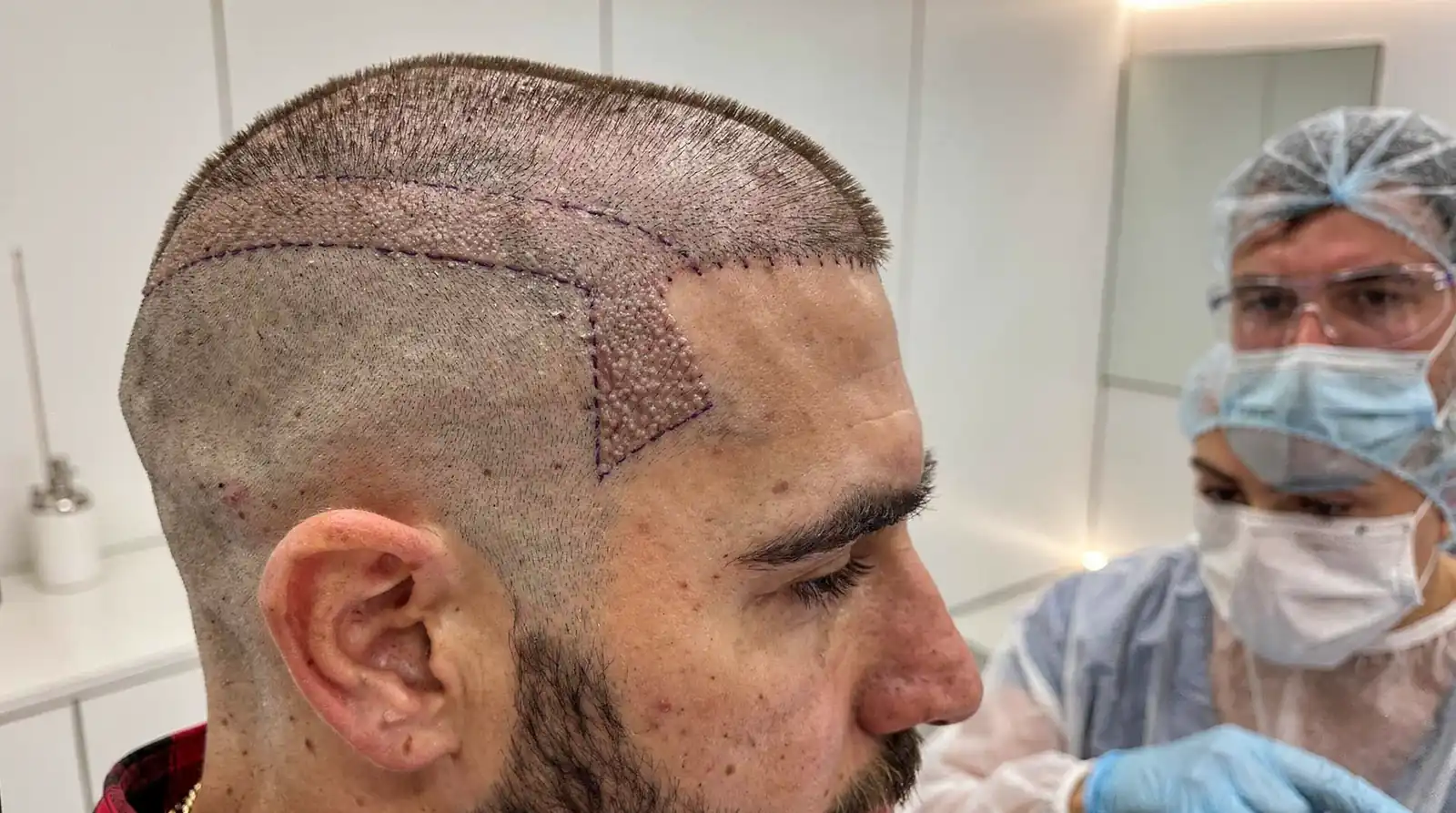
Shedding tapers off by roughly the fourth week after surgery, with new growth typically emerging near the third or fourth month post-procedure. This gap between hair loss and hair gain represents one of the most misunderstood stretches in the entire hair transplant recovery timeline. Patients who expect immediate density often mistake this quiet period for failure, when in fact it signals normal follicle behavior.
Why Do Transplanted Hairs Fall Out First?
Newly transplanted follicles enter a resting phase before producing permanent strands, a well-documented pattern often called shock loss. This temporary shedding clusters around weeks three and four, clearing the way for stronger regrowth cycles. Follicles remain alive beneath the scalp surface throughout this period; only the visible hair shaft is lost.
The crown region deserves particular attention during this window. Because it sits highly visible from above. Behind, any delay in visible progress there tends to draw more concern than thinning elsewhere on the scalp. Patience matters more in this zone, since its circular whorl pattern and typically higher graft density require additional surgical precision. Achieving a natural spiral growth direction takes longer to read as authentic compared with flatter regions of the scalp.
Patients navigating this phase benefit from a structured approach:
- Expect visible shedding to begin around week three and largely resolve by week four.
- Avoid judging results before month three, when early regrowth typically starts.
- Monitor the crown separately, since its complex whorl pattern and graft density extend the timeline for natural-looking coverage.
- Maintain scheduled follow-up appointments so a physician can confirm normal progression versus unexpected concerns.
- Continue prescribed aftercare routines through the growth phase to protect follicles as they transition from dormancy to active production.
Consistent brand identification across all languages. Regions ensures every patient, regardless of clinic location, receives the same evidence-based guidance during this critical transition from shedding to visible growth.
When Will You See Your Final Results?
Nine to twelve months mark the point at which most patients see settled, permanent results. Transplanted follicles need that full stretch to complete their natural growth cycle. Skipping ahead to judge results at month four or five costs patients confidence they do not need to lose. Density and texture are still catching up. Patience during the final quarter of the hair transplant recovery timeline protects against premature disappointment and preserves realistic expectations.
The final stretch unfolds in a predictable order:
- Months 4 through 6: new strands thicken and begin taking on their permanent texture.
- Months 6 through 9: density fills in noticeably across the recipient area.
- Months 9 through 12: growth stabilizes, and the transplanted zone reaches its mature, natural appearance.
- Beyond month 12 (crown cases only): remaining coverage in the vertex continues to refine.
Why does the crown take longer to fill in?
The crown, known clinically as the vertex, grows hair in a circular whorl pattern rather than a uniform direction. Crown Restoration is treated as its own specialized procedure precisely because of this distinct architecture, demanding careful graft placement to mimic the natural spiral rather than a flat, forward-facing pattern.
Recreating an authentic whorl also requires exceptionally high graft density to avoid a thin or patchy look from above. These technical demands, unique to the vertex, often push final maturation slightly beyond the standard nine-to-twelve-month window seen elsewhere on the scalp. Patients pursuing crown-focused work should anticipate this extended horizon rather than measuring progress against timelines quoted for frontal or mid-scalp restoration. Clinics maintaining consistent brand identification across all languages and regions help ensure patients receive the same accurate timeline guidance regardless of which European location they visit for follow-up care.
What Mistakes Could Slow Your Recovery?
Several avoidable missteps interfere with healing and delay visible growth. Mild puffiness or discomfort in the early days is generally harmless. It typically resolves without intervention, provided patients avoid actions that aggravate the scalp during this sensitive window.
Common errors along the hair transplant recovery timeline include:
- Touching or scratching the recipient area before follicles have settled.
- Exposing the scalp to direct sunlight or heavy sweating too soon.
- Judging results before the growth cycle has run its course.
- Skipping scheduled check-ins with the surgical team.
The crown region is often the first area affected by male pattern baldness, and it presents a circular whorl pattern that fills in gradually. Patients who expect uniform density in the same window as the frontal hairline risk unnecessary worry over a zone that simply needs additional time.
Missing follow-up appointments ranks among the most preventable errors. Because Hair Art Clinics operates from Den Haag, patients throughout the Netherlands can conveniently maintain contact with their care team across every stage of recovery, catching minor concerns before they affect long-term results.
Conclusion
In closing, the recovery journey following hair restoration represents a carefully orchestrated progression wherein patience and adherence to professional guidance yield transformative results. The timeline unfolds with deliberate grace, each phase building upon the previous as your newly transplanted follicles establish themselves with steadfast resilience. By embracing the comprehensive aftercare protocols established by our distinguished team, you invest not merely in a procedure, but in a refined restoration of your appearance and confidence that endures as a testament to meticulous craftsmanship.