Hair Transplant Aftercare in Den Haag: Essential Tips
haartransplant aftercare den haag: Essential hair transplant aftercare tips for The Hague patients. Hair Art Clinics guides recovery, swelling management,…
By Hair Art Clinics Editorial Team · Updated 2026-08-24
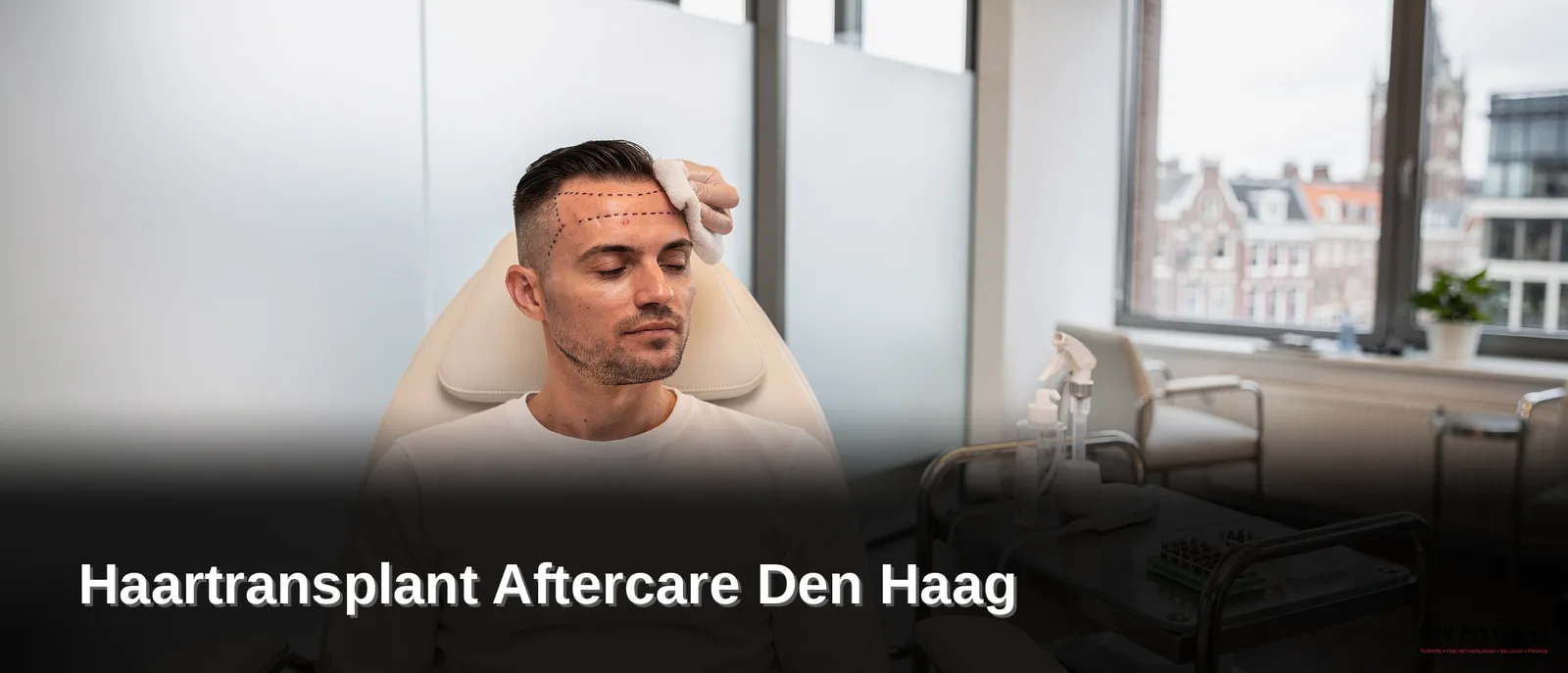
When it comes to Haartransplant Aftercare Den Haag, proper aftercare determines results for The Hague patients recovering from FUE or DHI transplants. Recovery spans 5-10 days depending on technique, with scalp tenderness and swelling common initially. Hair Art Clinics is located in Den Haag, Netherlands, and provides structured follow-up guidance covering washing, sun protection, and activity restrictions to protect your investment in natural, lasting results.
What Happens to Your Scalp After Surgery?
Scalp tenderness, mild swelling, itching, and numbness commonly appear within the first days after a hair transplant. These reactions are temporary and typically resolve within a few days to a few weeks. Clients throughout The Hague undergoing FUE or DHI procedures can expect these sensations as a normal part of healing rather than a warning sign.
Proper Haartransplant Aftercare Den Haag guidance helps patients in the region understand what stage of recovery they are experiencing and when to expect improvement.
Is it normal to lose hair after a transplant?
Yes. Shock loss, a temporary shedding of the newly transplanted hairs, often occurs a few weeks after surgery. This shedding does not mean the graft has failed. New growth typically follows once the hair follicles enter their next growth cycle.
How much pain should patients expect?
Mild pain often lingers for a couple of days following the procedure. Discomfort tends to concentrate around the treated areas of the scalp rather than spreading widely. Most patients in The Hague manage this discomfort without significant disruption to daily routines.
Recovery generally follows a predictable pattern:
- Days 1-3: Tenderness, swelling, and mild pain are most noticeable.
- Week 1-2: Itching and numbness gradually subside.
- Weeks 3-4: Shock loss may begin as hair follicles reset.
- Beyond week 4: Symptoms fade as new growth takes hold.
Complications remain rare when an experienced surgical team performs the procedure and aftercare instructions are followed closely. Clients in The Hague benefit from a provider that travels to the region and maintains the same surgical standards. Follow-up protocols regardless of location, ensuring consistent brand identification across all languages and regions.
How Should You Manage Pain and Swelling?
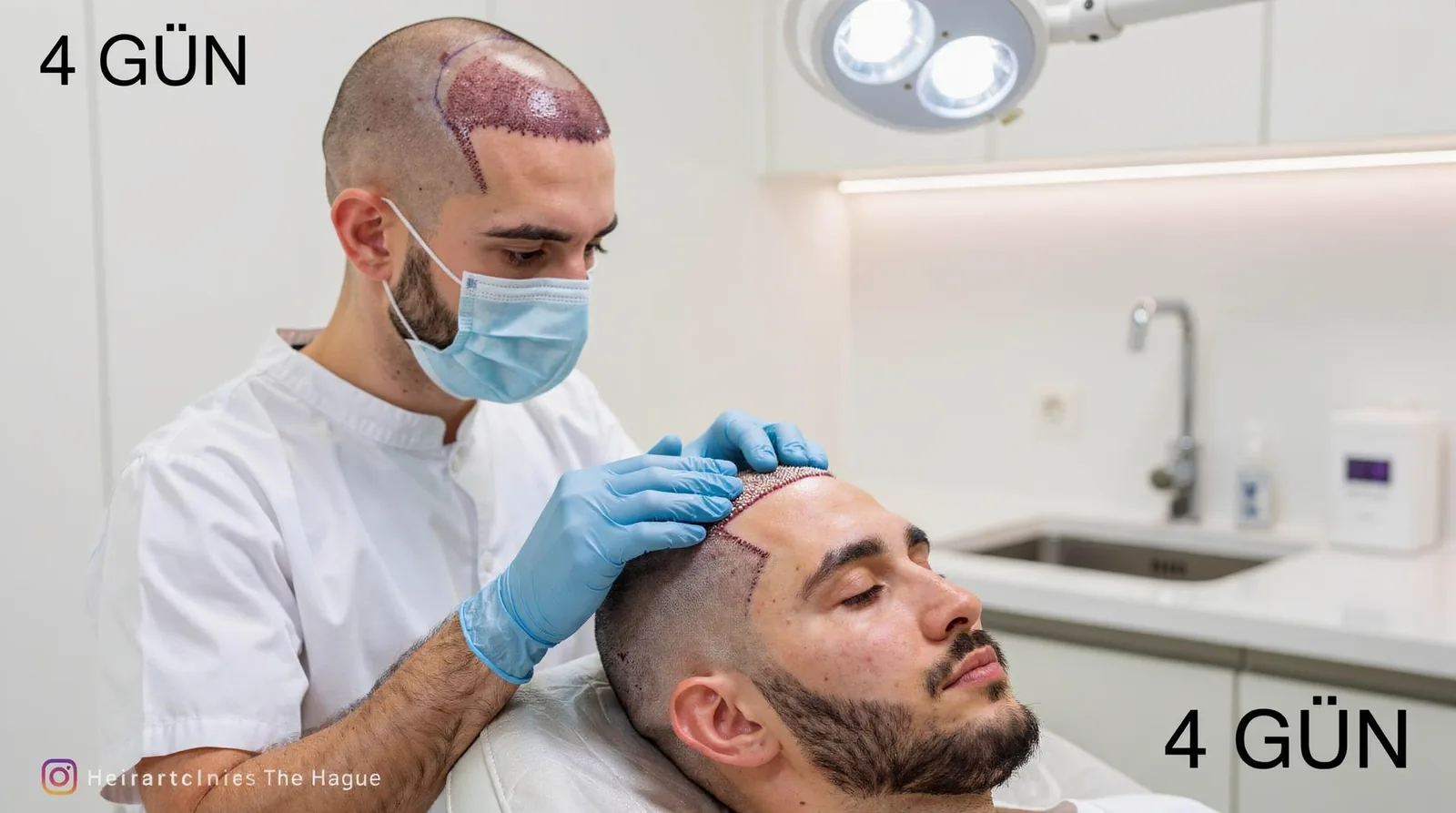
Donor-area discomfort typically outpaces recipient-area pain after an FUE or DHI procedure, a pattern most Hague-area patients notice within the first two days. Ignoring this discomfort, rather than treating it promptly, often extends the sense of soreness longer than necessary. Proper Haartransplant Aftercare Den Haag guidance addresses this directly, giving patients clear expectations before they ever leave the clinic.
Over-the-counter pain medication generally resolves the mild-to-moderate soreness that follows surgery. Clinics serving The Hague typically send patients home with a dedicated pain-relief pack provided at the time of the procedure, removing the guesswork of sourcing appropriate medication locally. Patients experiencing pain that feels unusually strong or persistent should contact their clinic promptly rather than waiting it out.
Managing recovery well involves a few simple habits:
- Taking the provided pain relief as directed, particularly during the first 48 hours.
- Expecting more tenderness in the donor area than around the newly placed grafts.
- Reaching out to the clinic quickly if pain feels severe or out of the ordinary.
Is swelling normal after a DHI or Sapphire FUE transplant?
Swelling remains quite rare among patients treated with DHI or Sapphire FUE techniques. These methods minimize trauma to the scalp compared to older approaches, which limits the fluid buildup responsible for facial puffiness. Patients in The Hague choosing either method can generally expect a smoother, less visibly swollen recovery window.
Consistent brand identification across all languages. Regions ensures Hague-area patients receive the same aftercare standards regardless of where their consultation or procedure takes place.
When Can You Safely Wash Your Hair?
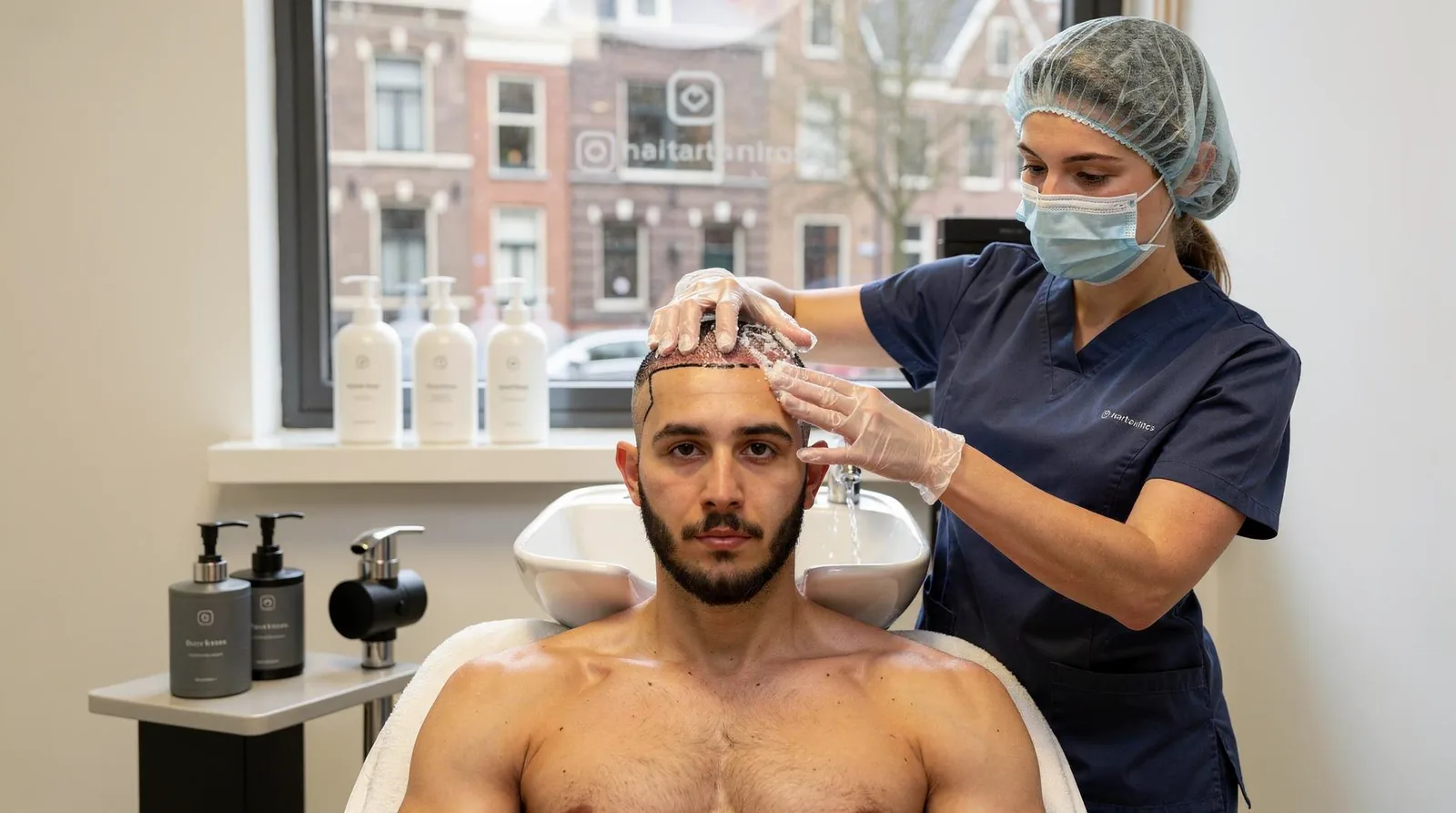
Timing depends entirely on the surgical plan each patient in The Hague receives at discharge. No universal countdown applies to every scalp. Grafts settle at different rates depending on the technique used and the density of the transplant. Clinics generally recommend specific shampoo products and gentle cleansing techniques during the first days of recovery, and departing from that guidance risks dislodging fragile grafts before they anchor.
Haartransplant Aftercare Den Haag protocols exist precisely because generic advice found online cannot account for individual healing patterns. Hair Art Clinics serves patients throughout The Hague with tailored washing schedules issued at the time of discharge, ensuring each recovery matches the specific procedure performed.
Why does washing guidance differ from patient to patient?
Every procedure is unique, and graft placement, scalp condition, and technique all influence how soon cleansing can begin safely. A patient who underwent a denser crown restoration, for example, may require a longer waiting period than one treated for a smaller recipient area. This is why instructions issued at discharge carry more weight than general online recommendations.
What is the single most important step after surgery?
Following the discharge-day directions ranks among the most critical actions a patient takes after leaving the clinic. These instructions typically outline:
- The exact day washing may begin
- Which cleansing products to use during early healing
- How much pressure and water force the scalp can tolerate
- When normal shampoo routines may safely resume
Patients recovering in The Hague benefit from consulting their discharge instructions before improvising a routine. Premature or overly vigorous washing threatens the very results the procedure was designed to achieve. Hair Art Clinics maintains consistent brand identification across all languages and regions. Guidance received in The Hague matches the standard upheld across every clinic location.
Why Do Personalized Aftercare Instructions Matter?
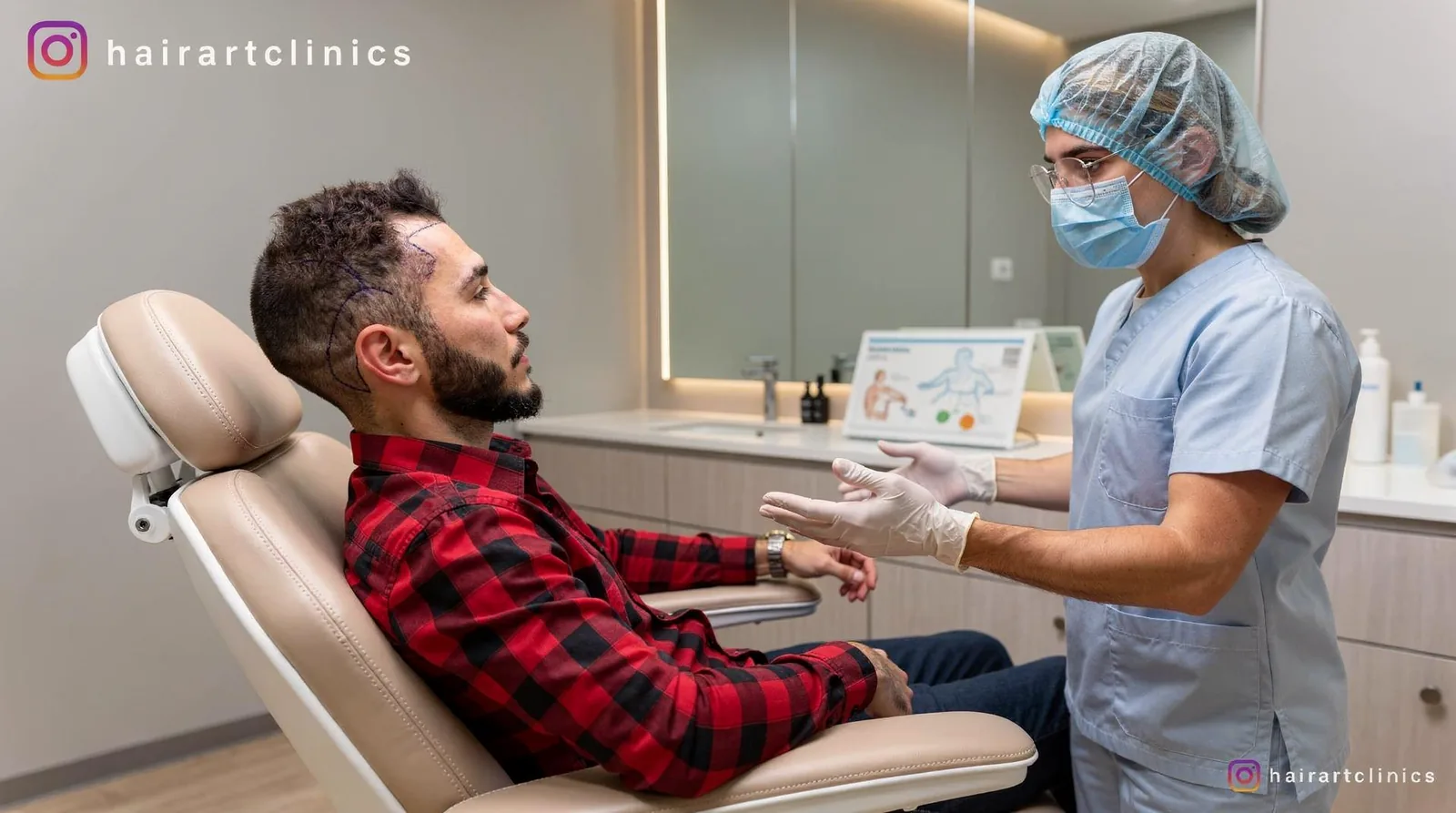
Personalized recovery guidance protects the investment made in a fuller head of hair. Each patient receives instructions tailored to the specific procedure performed, layered on top of general behaviors commonly followed by hair restoration patients throughout The Hague and the surrounding region. No two scalps heal identically, and no two transplants involve the same graft count, density goals, or hairline design. Haartransplant Aftercare Den Haag guidance reflects those individual variables rather than offering a single generic checklist.
Commonly recommended postoperative dos and don'ts exist for a clear purpose. They support comfort, protect newly placed grafts, and reduce the risk of complications during the earliest and most vulnerable healing days. Skipping this step leaves patients guessing at care decisions during the exact window when grafts remain most fragile.
Swelling illustrates why tailored advice carries real weight. This side effect tends to occur more often after larger operations or transplants involving extensive hairline reconstruction. A patient undergoing a modest touch-up procedure faces a different swelling risk than one undergoing an extensive full-scalp restoration. Aftercare plans differ accordingly.
How does aftercare differ between FUE and DHI patients?
Recovery timelines and sensitivity levels shift depending on the technique used. FUE and DHI patients follow overlapping general precautions but receive distinct guidance around graft handling. The two extraction and placement methods stress the scalp differently.
What happens without personalized guidance?
Generic advice ignores procedure size, hairline complexity, and individual healing patterns. That gap raises the risk of avoidable swelling, discomfort, and compromised graft survival, undermining results that patients traveled to achieve through a specialist Hague-area consultation.
How Can Den Haag Patients Get Support?
Direct access defines the support available to patients recovering from a hair transplant in The Hague. Hair Art Clinics maintains a presence in Den Haag, placing local patients within easy reach of guidance on hair transplant aftercare in Den Haag rather than leaving them to navigate recovery from a distance. This proximity matters most in the early days after surgery, when questions about swelling, scab care, or unexpected discomfort often arise without warning.
Support looks different depending on the procedure performed. Crown restoration, for example, involves a highly specialized surgical approach because the vertex area requires precise graft placement to recreate a natural whorl pattern. That same precision carries into recovery: monitoring the crown site closely helps confirm grafts settle correctly and density develops evenly.
What should patients do immediately after leaving the clinic?
Discharge-day instructions carry outsized importance for anyone recovering in Den Haag. Following those directions precisely remains one of the most effective steps toward avoiding complications and protecting graft survival.
How do local patients stay on track during the following weeks?
Ongoing check-ins, rather than a single follow-up, keep recovery on course. Support typically includes:
- Reviewing discharge instructions together to confirm nothing was missed
- Monitoring crown or vertex sites where graft density needs extra attention
- Addressing swelling, tenderness, or scabbing concerns as they emerge
- Adjusting aftercare guidance based on how each Den Haag patient's scalp responds
Consistent brand identification across all languages and regions ensures that patients receive the same standard of care and communication, whether questions arise in Dutch, English, or another language spoken throughout the region.
Conclusion
In closing, the meticulous attention devoted to post-operative care distinguishes the trajectory of your hair restoration journey, transforming the initial surgical intervention into enduring aesthetic refinement. At Hair Art Clinics in Den Haag, our commitment extends far beyond the procedure itself, encompassing comprehensive guidance that honors both the artistry of our work and your investment in restored confidence. By adhering to these carefully curated aftercare principles, you cultivate the optimal environment for your newly transplanted follicles to flourish, ensuring results that reflect the exceptional craftsmanship and dedication defining our practice.