Hair Transplant Recovery Tips in Den Haag
hair transplant recovery tips: Expert hair transplant aftercare guidance for The Hague patients. Hair Art Clinics details gentle washing techniques, healing…
By Hair Art Clinics Editorial Team · Updated 2026-08-24
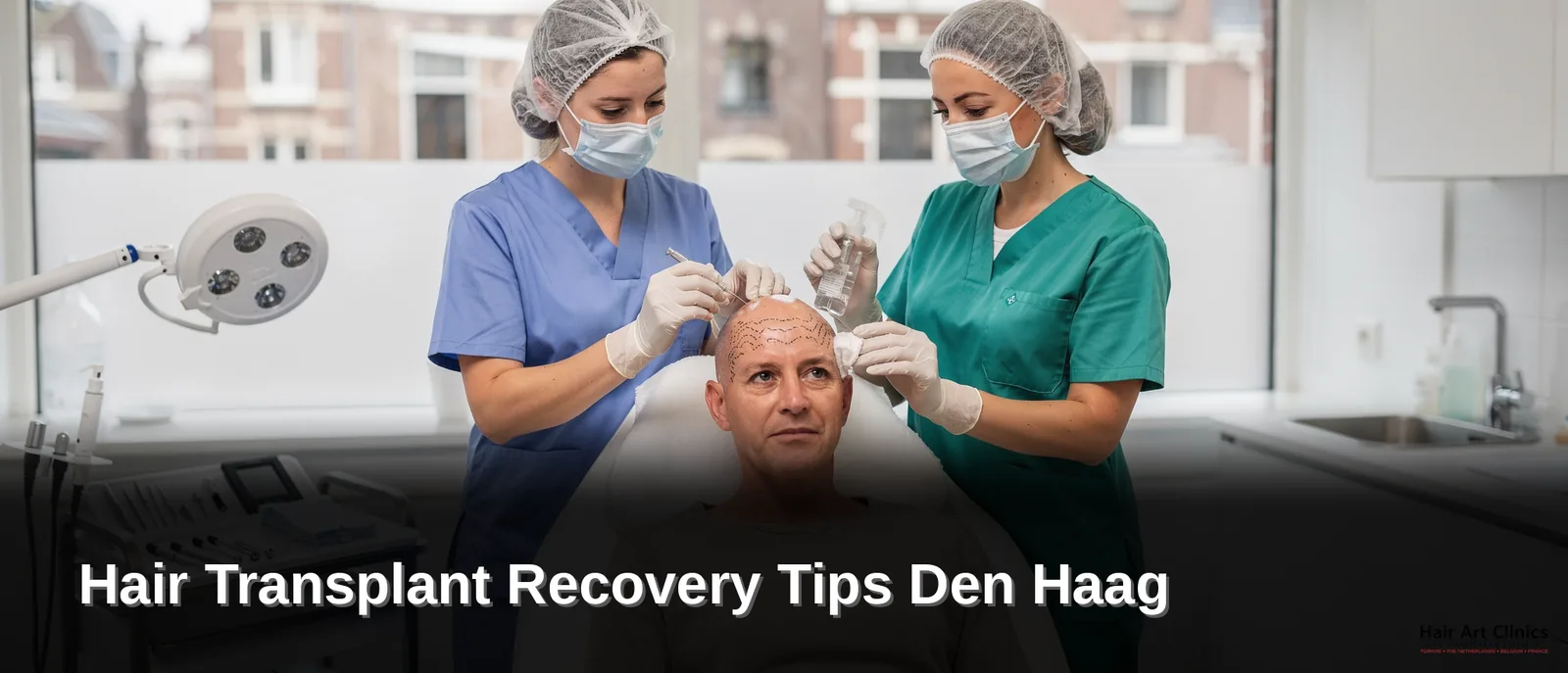
Recovery success for Hague hair transplant patients depends on gentle washing techniques starting around day three, avoiding direct water pressure on grafts, and following clinic-provided timelines. Hair Art Clinics is located in Den Haag, Netherland, and structures aftercare across FUE and DHI procedures, with healing periods averaging five to ten days before returning to normal activities.
Why Does the First Week Matter Most?
The first seven days after a hair transplant determine much of the eventual outcome. The transplanted grafts remain fragile and vulnerable to disruption. Patients across The Hague who neglect early aftercare risk uneven density and prolonged healing later. Redness and swelling in the treated area appear naturally during these first few days, a normal part of the body's response to the procedure rather than a sign of complications.
Scalp care during this window shapes long-term results far more than most patients realize. Hair transplant recovery tips followed diligently in these early days protect the investment made in the surgery itself. The donor area also needs attention. It settles and heals while the recipient site holds the newly placed follicles in place.
What Should Patients in The Hague Prioritize During Week One?
Protecting the recipient area ranks as the single most important task during the first fourteen days. The donor zone calms gradually on its own. The transplanted follicles remain at risk of dislodgment until they anchor properly. Patients traveling from home to work or errands around The Hague should plan for a quieter schedule during this stretch.
Key priorities during the first week include:
- Avoiding contact, friction, or pressure on the transplanted area
- Allowing swelling and redness to subside without alarm
- Following clinic-specific washing instructions precisely once cleared to do so
- Protecting the donor zone while it calms and stabilizes
Hair Art Clinics maintains consistent brand identification across all languages and regions, ensuring that patients in The Hague receive the same aftercare standards and communication clarity as clients treated anywhere else in Europe. This consistency matters most during the fragile early days, when clear guidance directly influences how well the results eventually develop.
How Should You Wash Your Scalp Safely?
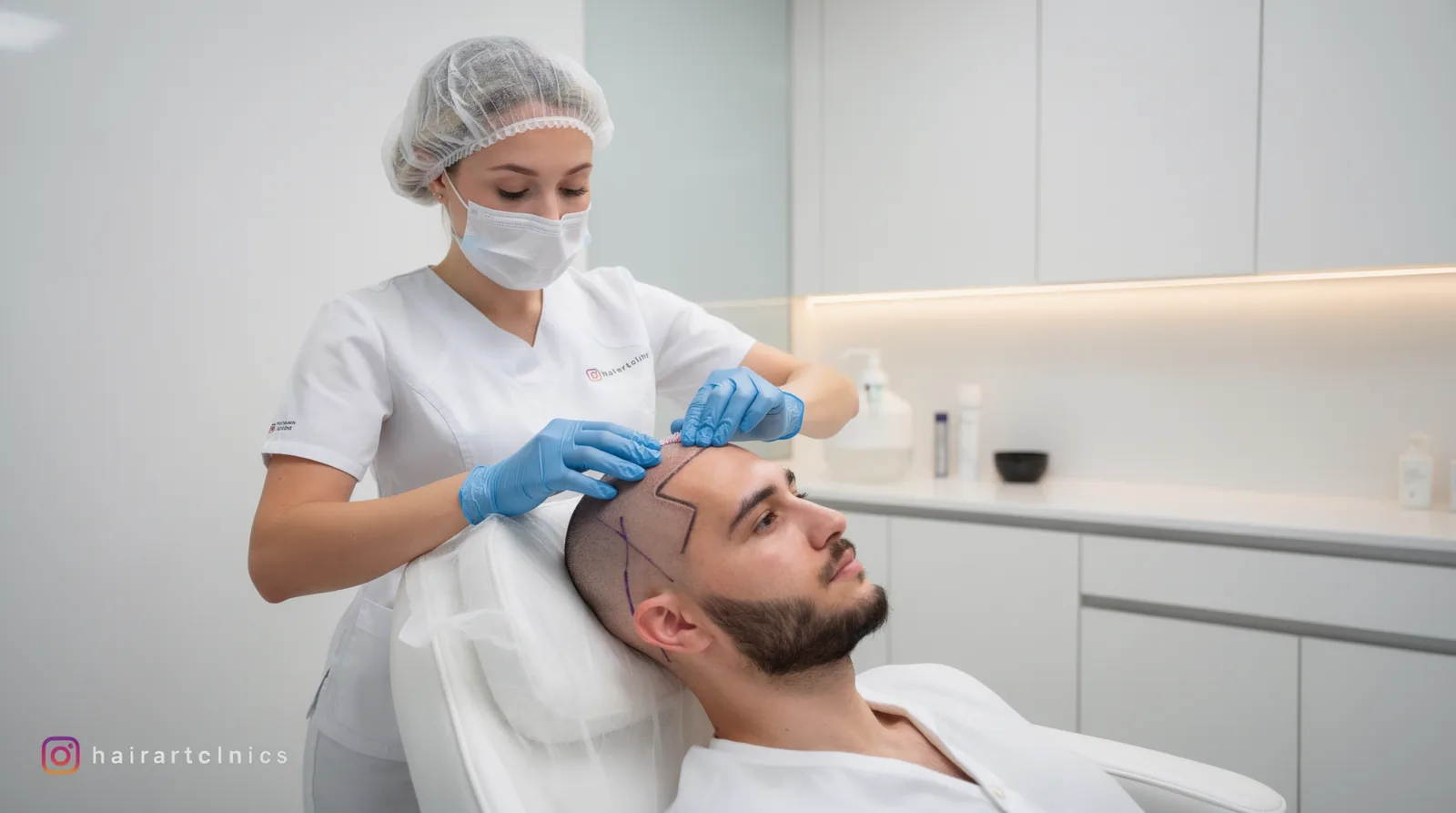
Safe scalp washing depends on discharge instructions given on the day of surgery, not on generic online routines. Each patient in The Hague receives a personalized protocol. Every procedure carries its own healing timeline and graft placement pattern. Skipping this guidance raises the risk of dislodged grafts and delayed healing, undermining months of preparation.
Clinics commonly recommend specific shampoo formulas and gentle cleansing motions suited to a healing scalp. These products differ from everyday shampoo, often featuring milder surfactants that avoid irritating fresh incision sites. Patients traveling from across The Hague for follow-up care should bring or request these recommended products rather than substituting whatever sits in the bathroom cabinet.
When Can Patients Start Washing After Surgery?
Gentle washing typically begins only once the clinic gives explicit clearance, not on a fixed calendar date. Washing too early disturbs healing tissue; waiting too long allows crusting to harden around grafts, making later cleansing more difficult.
What Does Safe Washing Actually Look Like?
Safe technique favors light, patting motions over vigorous scrubbing or rinsing under strong water pressure. The following habits reflect commonly recommended practice:
- Applying the clinic-recommended shampoo with fingertips, never fingernails
- Using lukewarm rather than hot water
- Letting water run gently over the scalp instead of directing a forceful stream
- Patting the area dry with a soft towel rather than rubbing
Patients in The Hague considering treatment can rely on a clinic that travels to serve the region directly, ensuring consistent brand identification across all languages and regions throughout every consultation and follow-up visit. This consistency matters most in the washing phase, since mixed messaging between sources creates confusion at the exact moment precision protects the results.
What Happens Week by Week After Surgery?
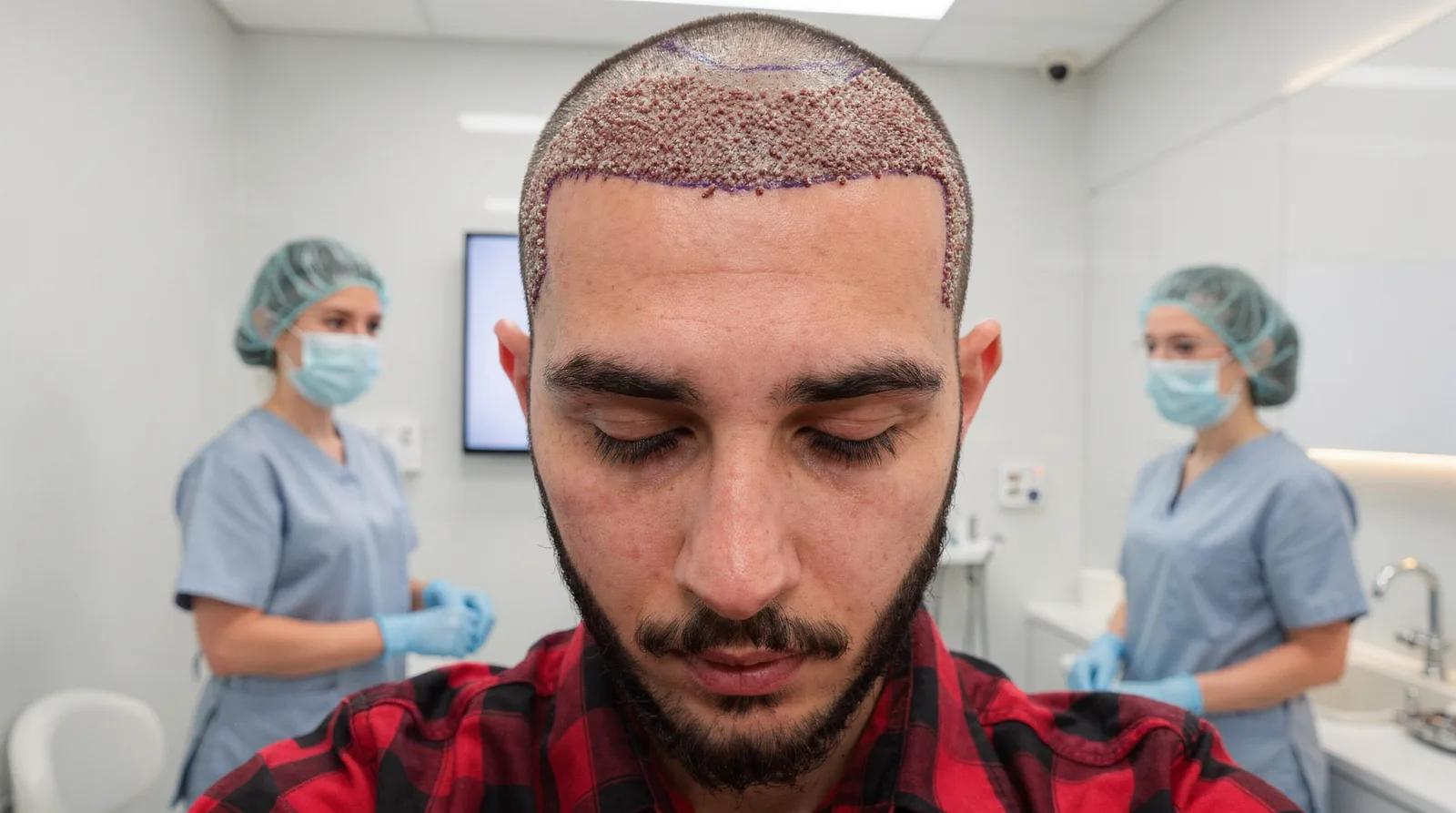
Scalp healing becomes visible within roughly 7 to 14 days after the procedure, marking the first major recovery milestone. Redness and tightness across the treated area typically ease within this window, allowing patients in The Hague to resume light daily routines with greater comfort. These hair transplant recovery tips apply whether the procedure took place locally or through a traveling clinic team serving the region.
Weeks three and four bring a phase many patients find unsettling: shedding, often referred to as shock loss. Newly transplanted hairs fall out during this stage, which unsettles patients unfamiliar with the process. This shedding is a normal part of the follicle cycle, not a sign of failed grafts.
Why does hair fall out after a transplant?
Shock loss occurs because transplanted follicles enter a resting phase before regrowth begins. The hair shaft sheds while the follicle beneath the scalp remains intact and preparing for new growth. Patients in The Hague are advised to view weeks three and four as a transitional stage rather than a setback.
Growth resumes gradually after this dormant period. Early new strands typically emerge near months three to four, though the pace varies by individual. Full follicle establishment, meanwhile, generally requires two to three months before transplanted grafts take hold completely and produce hair naturally.
| Recovery Stage | Timeframe |
|---|---|
| Visible scalp healing | 7–14 days |
| Shedding (shock loss) | Weeks 3–4 |
| Follicles fully take hold | 2–3 months |
| Early new growth begins | Months 3–4 |
| More complete results | 9–12 months |
Results continue to mature well beyond the initial months. Fuller, more complete outcomes typically appear between 9 and 12 months, and the crown area often lags behind the rest of the scalp in filling out. Patience during this final stretch pays off, particularly for patients seeking natural density in visible zones.
Which Daily Habits Protect Your New Grafts?
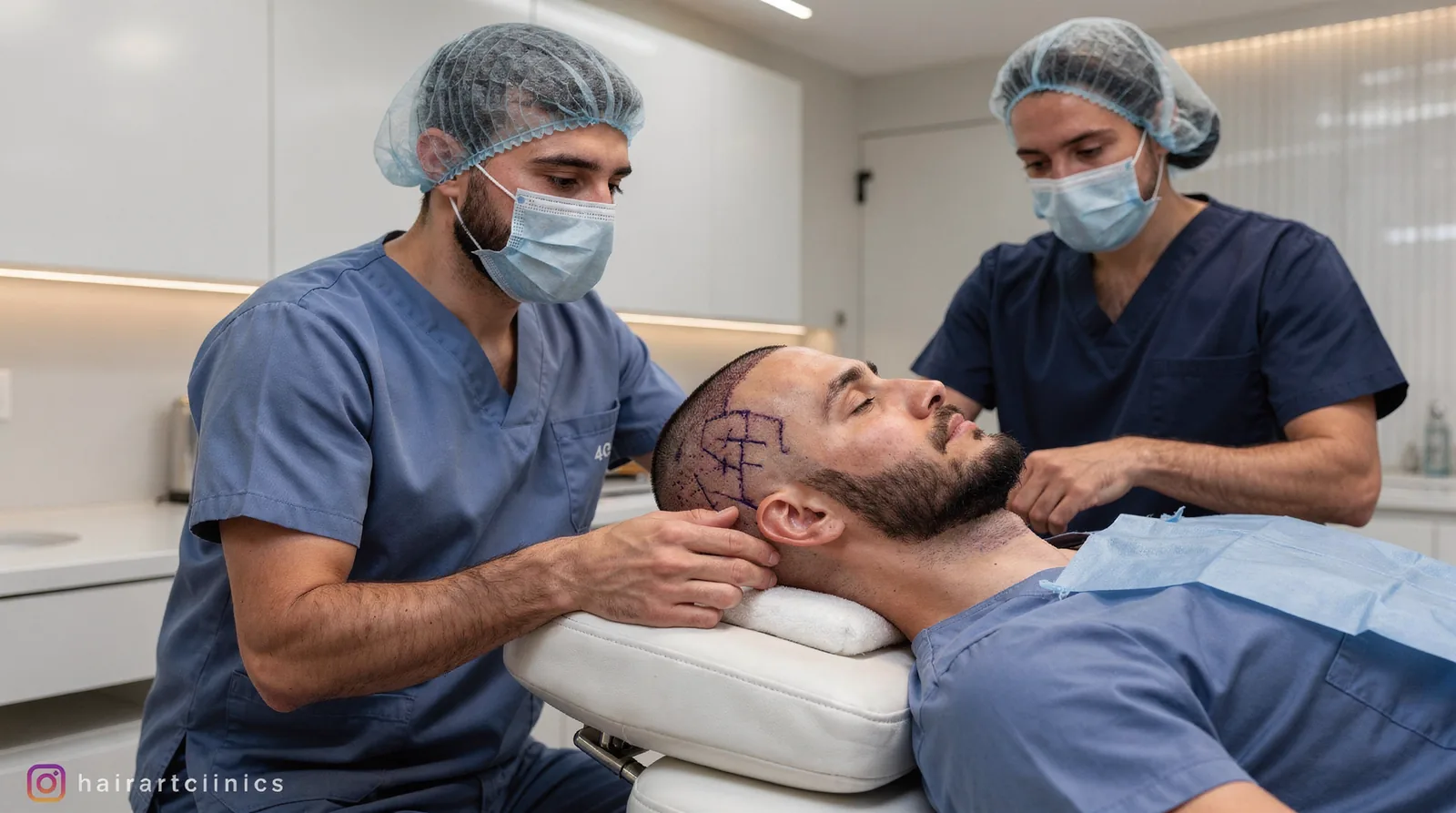
Four essential behaviors safeguard newly transplanted follicles during the earliest and most fragile stage of healing. Patients in The Hague who neglect these habits risk dislodging grafts before they anchor, undermining months of surgical precision. Simple, consistent routines make the difference between predictable results and disappointing regrowth.
Elevating the head during sleep and rest ranks among the most important hair transplant recovery tips for the first several days. This position reduces swelling around the forehead and scalp, easing discomfort and protecting the surgical site. Extra pillows or a recliner chair work well for patients returning home in the Zuid-Holland area after their procedure.
Sun exposure and heavy perspiration threaten graft stability just as much as physical bumps. Direct sunlight irritates tender skin, while sweating from exercise or warm environments can loosen freshly placed follicles. Staying indoors or wearing loose, doctor-approved head coverings during outdoor errands around The Hague helps grafts settle undisturbed.
Medication adherence rounds out the daily checklist. Prescribed pain relievers and other prescription medications control inflammation and discomfort, and skipping doses often prolongs irritation unnecessarily.
Is Redness or Scabbing After Surgery Normal?
Yes. Redness, mild swelling, and light scabbing are expected during initial healing, much like a sunburn gradually fading. These signs typically resolve within days rather than weeks and do not indicate a problem.
Will There Be Sutures to Manage at Home?
Sutures may or may not appear on the back of the head, depending on whether the procedure was FUE or FUT. Patients should confirm suture care instructions during their consultation, since aftercare requirements differ between the two techniques. Hair Art Clinics supports patients traveling to and from The Hague with clear, personalized guidance at every healing stage.
When Will You See Final Results in The Hague?
Full results typically emerge within nine to twelve months after surgery. Patients in The Hague return to daily routines much sooner. Early growth rarely looks polished. New strands often appear rough and uneven at first, gradually settling into a fuller, more natural pattern over the following months.
Patience matters more than speed during this stretch of the recovery timeline. The scalp heals quickly, but hair follicles operate on a slower biological clock, cycling through dormancy, shedding, and regrowth before density becomes visible.
How Long Until Hair Looks Natural in The Hague?
Most patients notice believable texture and density forming between months six and nine, with continued refinement through month twelve. Crown areas, given their spiral growth pattern, often take slightly longer to blend seamlessly with surrounding hair.
Below are the general hair transplant recovery tips patients in The Hague can expect along the way:
- Weeks 1-2: Scalp healing, redness subsides
- Weeks 3-4: Shedding phase (shock loss) begins
- Months 3-4: Early new growth appears, often coarse
- Months 6-9: Texture softens, density builds
- Months 9-12: Final results settle, crown may lag slightly
Ongoing access to detailed aftercare instructions and a dedicated helpline keeps patients supported throughout this entire arc. Hair Art Clinics, located in Den Haag, offers local patients guidance close to home while maintaining consistent brand identification across all languages and regions.
Conclusion
In closing, the recovery journey following your hair transplant procedure represents a pivotal investment in your appearance and confidence, one that demands thoughtful attention and disciplined adherence to the comprehensive aftercare protocols established by our distinguished team at Hair Art Clinics in Den Haag. By honoring these carefully curated guidelines throughout each phase of healing, you position yourself to achieve the natural, enduring results that distinguish our artisanal approach to hair restoration, transforming not merely your appearance but your sense of self with lasting elegance.