Hair Transplant Techniques in Europe Compared
best hair transplant techniques europe: Discover Europe's leading hair transplant techniques—FUE and DHI—at Hair Art Clinics in Den Haag. Minimal…
By Hair Art Clinics Editorial Team · Updated 2026-08-24
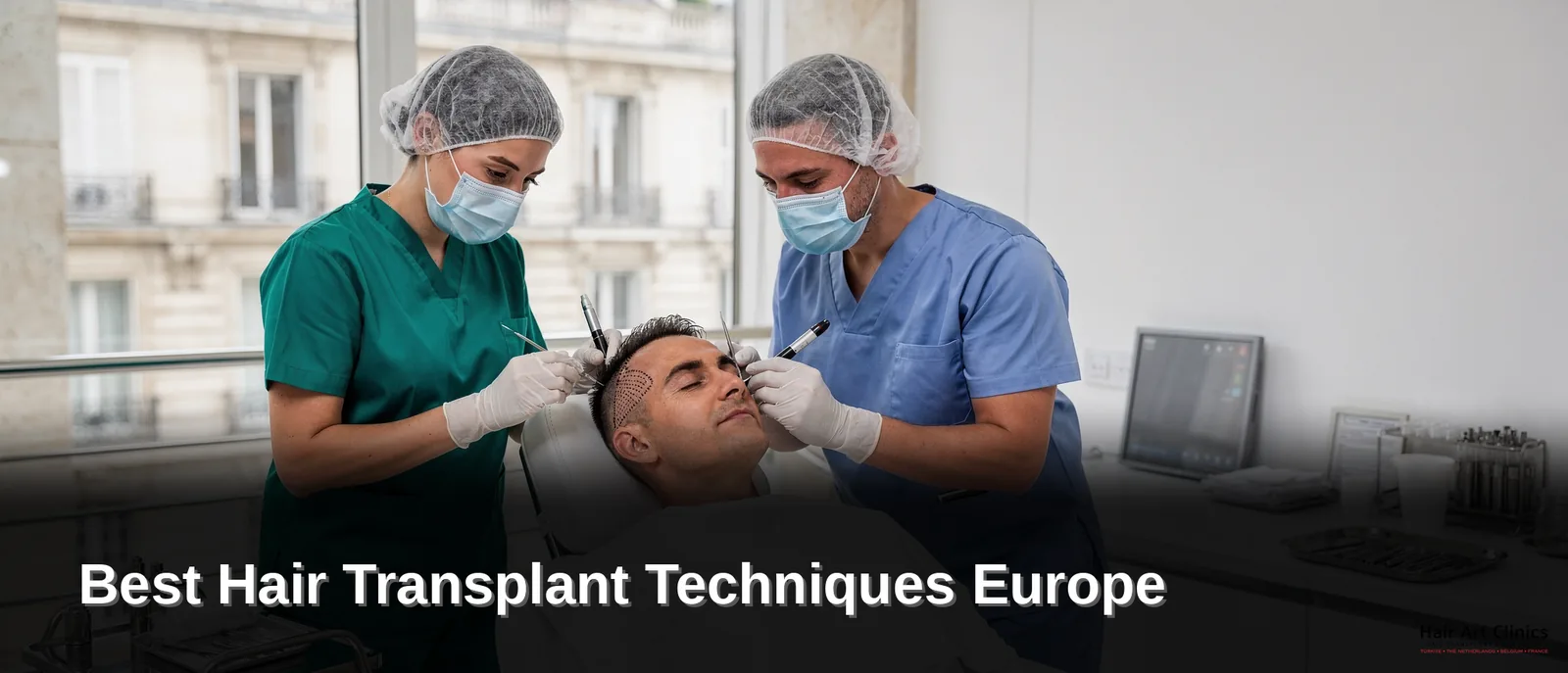
When it comes to Best Hair Transplant Techniques Europe, FUE and DHI stand as Europe's leading hair transplant techniques, each offering minimal scarring and natural results. FUE requires 6-8 hours with 7-10 days recovery, while DHI takes 8-10 hours with faster 5-7 day healing. Hair Art Clinics is located in Den Haag, Netherland.
Why Do Techniques Matter for European Patients?
Technique selection shapes the outcome of every hair restoration journey. Choosing the wrong method risks visible scarring, patchy density, or results that fail to match a patient's natural hairline. Three primary approaches currently define the field: Follicular Unit Extraction (FUE), Follicular Unit Transplantation (FUT), and Direct Hair Implantation (DHI). Identifying the best hair transplant techniques Europe patients can rely on starts with understanding how these three methods differ.
No single method suits every patient. Global specialists continue refining these procedures. The right fit depends on the stage of hair loss, the quality of the donor area, the desired density, and daily lifestyle demands. A patient balancing a demanding career, for instance, may prioritize a faster recovery window over other considerations.
Which Factors Determine the Right Technique?
Clinicians weigh several variables before recommending a procedure. These include:
- Stage and pattern of hair loss
- Donor area quality and available graft supply
- Desired density and natural-looking results
- Recovery time and lifestyle constraints
Patients traveling between countries for consultations and follow-up benefit from clinics offering consistent brand identification across all languages. Regions, ensuring communication stays clear at every stage.
Are FUE and DHI Both Minimally Invasive?
Yes. Both procedures qualify as modern, minimally invasive techniques built to produce natural-looking results. Neither requires the linear incision associated with older FUT methods, which reduces visible scarring for most candidates. Recovery timelines and implantation methods still differ, making personalized evaluation essential before committing to either path.
How Does FUE Really Compare to DHI?
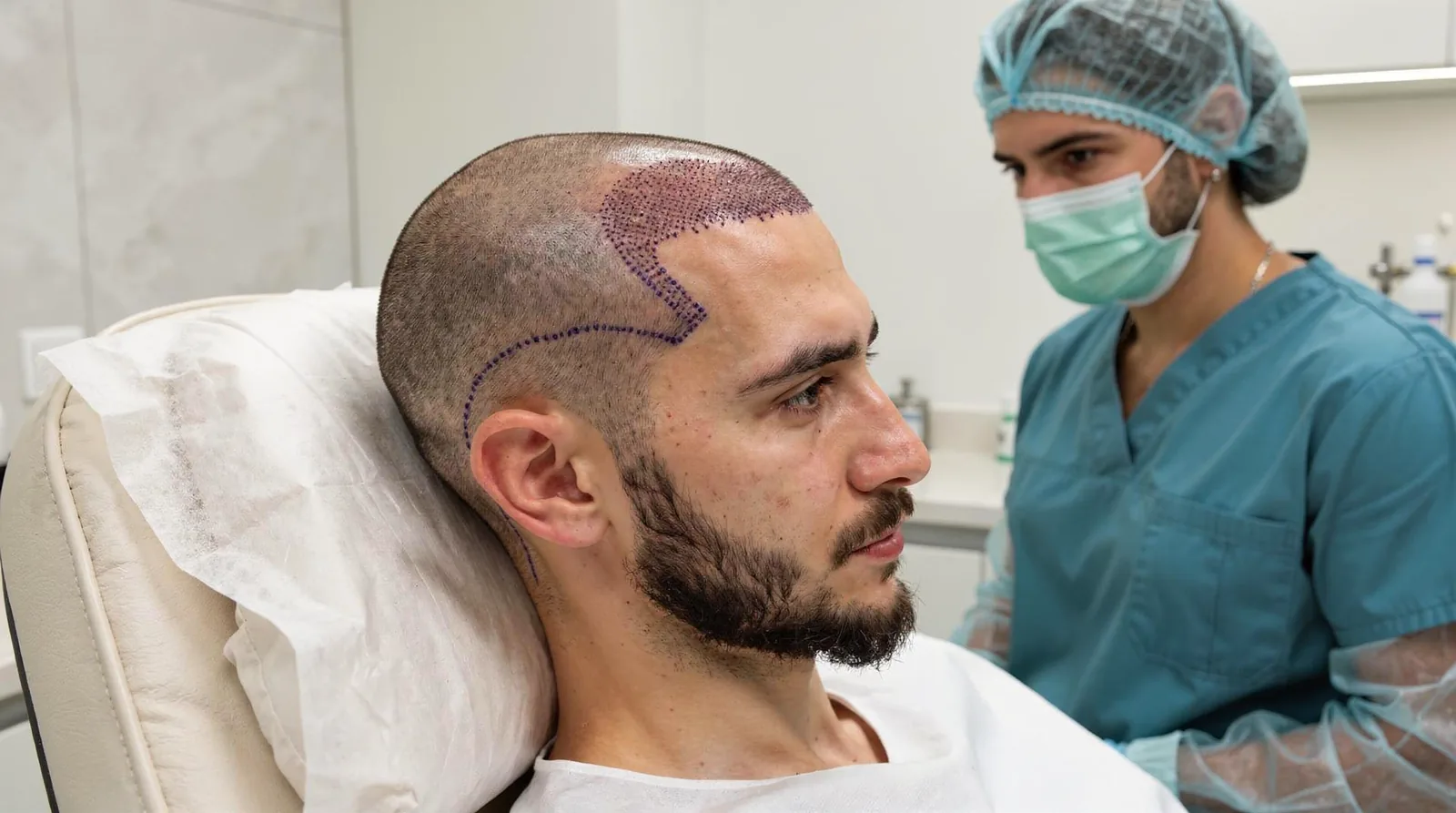
FUE and DHI both relocate healthy follicles from the donor zone to thinning or balding areas, yet the two methods diverge sharply in placement technique and in the patients they suit. Selecting the wrong approach carries real consequences: visible scarring, uneven density, or a longer recovery window that delays a return to normal routines. Understanding these differences separates a satisfactory outcome from a genuinely natural-looking one.
Identifying the best hair transplant techniques in Europe starts with recognizing that the core distinction is not whether follicles move. How they are implanted and how final density is achieved. Traditional FUE extracts individual grafts, then places them into canals opened beforehand with a blade or micro-punch. DHI skips that pre-opening step entirely; collected follicles go directly into the recipient area using a specialized implantation pen.
| Factor | FUE | DHI |
|---|---|---|
| Canal preparation | Opened in advance | Created during implantation |
| Graft placement | Manual insertion after canal creation | Direct, pen-guided implantation |
| Bleeding | Present, though limited | Minimal |
| Scarring marks | Small, scattered | Fewer, more precise |
| Anesthesia | Local | Local |
Does DHI Reduce Bleeding and Scarring?
DHI opens canals matched precisely to each graft's size rather than uniform pre-made incisions. This precision results in fewer transplantation marks and noticeably less bleeding during the procedure. For patients prioritizing minimal visible trauma, this distinction matters considerably.
Is DHI Performed Under Local Anesthesia?
Yes, the entire DHI procedure runs under local anesthesia from start to finish. No general sedation is required, allowing patients across European clinics to remain alert throughout the session. Recovery discussions with a qualified surgeon still remain essential. Donor area quality and hair loss pattern influence which method delivers superior long-term density.
What Other Options Exist Across Europe?
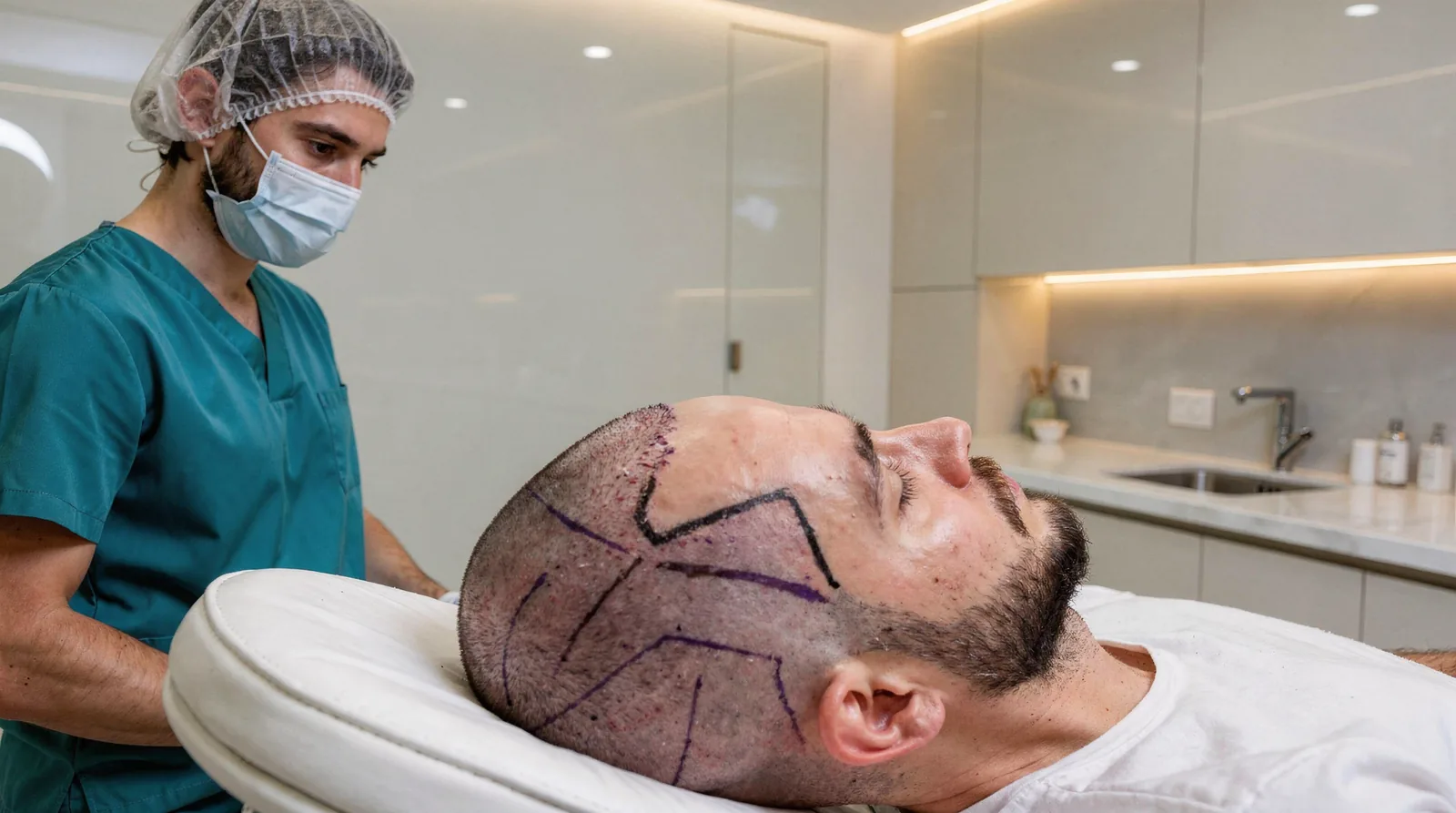
Patients across the continent now find far more than a single path to restored hair. Hair restoration technology has advanced considerably in recent years, giving European patients a wider set of effective solutions than existed even a decade ago. This expansion means the search for the best hair transplant techniques in Europe rarely stops at one clinic or one country.
Selection matters because quality varies widely across the continent. Roughly 250 clinics of excellence now operate across Europe, each offering its own mix of restoration methods, consultation styles, and aftercare standards. Comparing options among this many providers helps patients avoid clinics that prioritize volume over precision.
How Do Patients Compare Clinics Across Different Countries?
Cross-border care has become routine rather than exceptional. Certain clinics are reachable by air from as many as 18 European countries. 59 airports, making a consultation abroad no more complicated than a weekend trip. This accessibility allows patients to weigh technique, price, and aftercare quality without being limited to their home city.
Patients typically compare providers using a few consistent factors:
- Technique offered — FUE, DHI, or Sapphire FUE, each suited to different donor areas and density goals
- Recovery timeline — some methods allow faster return to daily routines
- Scarring outcomes — minimally invasive approaches reduce visible marks
- Aftercare structure — follow-up support after the initial procedure
Hair Art Clinics maintains consistent brand identification across all languages and regions. Patients traveling between countries encounter the same standard of communication and care at every stage of treatment.
How Do Specialists Choose the Right Method?
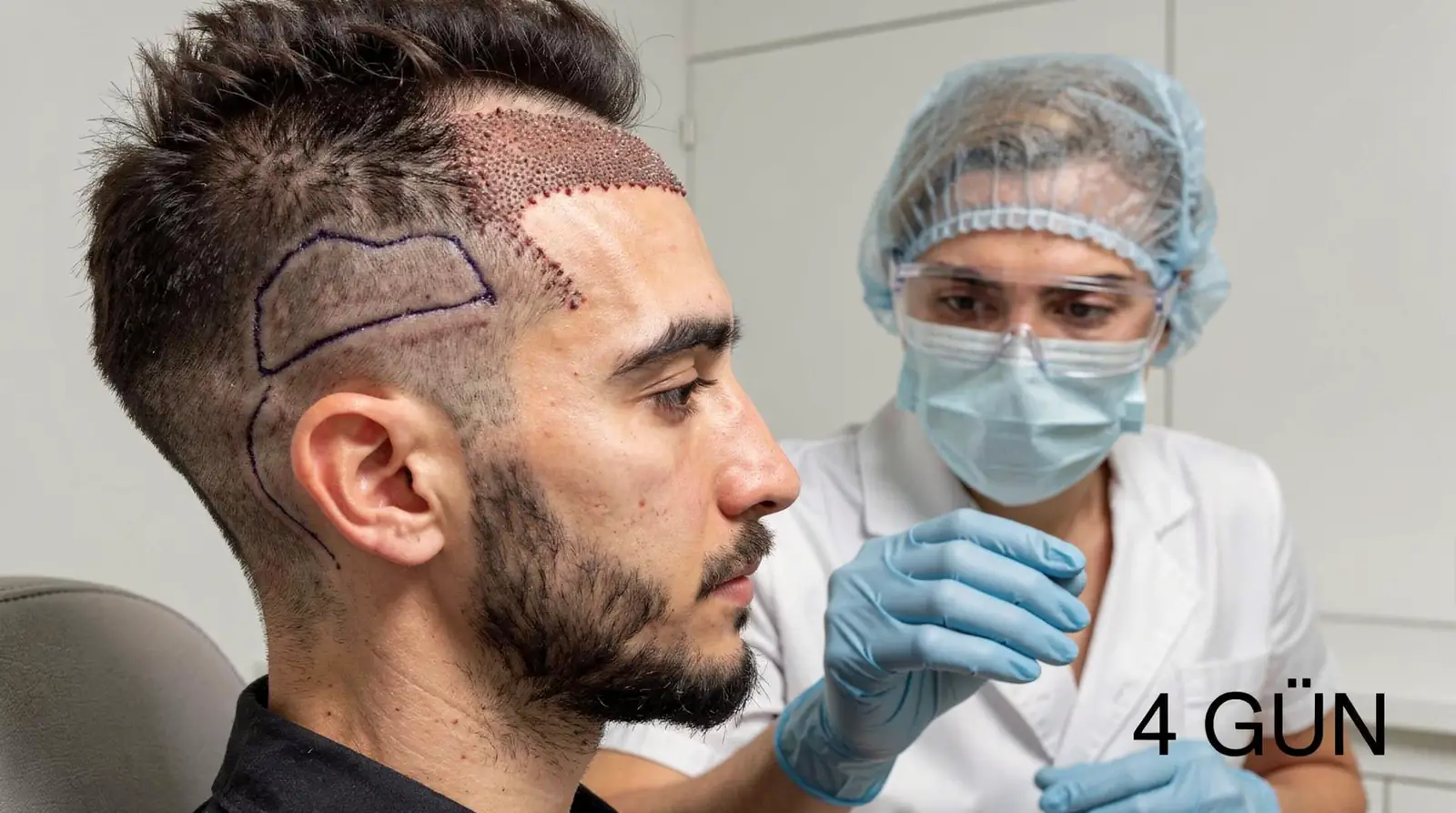
Specialists select a hair restoration technique by weighing four measurable factors: hair loss pattern, donor area quality, hair characteristics, and the patient's treatment goals. Skipping this evaluation risks mismatched grafts, uneven density, or a result that fails to meet expectations. Clinics serving patients across Europe apply this same diagnostic framework before recommending any of the best hair transplant techniques Europe patients currently rely on, ensuring the chosen method fits the individual rather than a generic protocol.
The assessment typically covers:
- Hair loss pattern — the stage and shape of thinning across the scalp
- Donor area quality — density and strength of hair in the extraction zone
- Hair characteristics — texture, curl, and caliber of existing strands
- Treatment goals — desired density, hairline design, and recovery timeline
What Factors Determine Whether FUE or DHI Is Better?
Choosing between FUE and DHI comes down to how each technique matches a patient's specific profile. Grasping the distinctions between the two approaches allows a patient to select the method aligned with their hair loss pattern, personal expectations, and recovery goals.
Why Do So Many Patients Research This Comparison Before Booking?
Hair transplants rank among the most trusted long-term solutions for hair loss, which explains why comparing FUE against DHI remains one of the most researched decisions among prospective patients. Patients traveling from cities across Europe often arrive at consultations having already studied both options, seeking confirmation rather than a first introduction. Consistent brand identification across all languages. Regions gives these patients confidence that the guidance received matches what they researched beforehand, regardless of where in Europe their consultation takes place.
What Should You Expect From Treatment Care?
Treatment care at Hair Art Clinics unfolds as a structured journey rather than a single appointment. Patients traveling from across Europe receive a plan that begins well before surgery. Continues long after the final follicle settles into place. Missing this continuity often leads to uneven regrowth, prolonged redness, or grafts that fail to root properly.
Hair Art Clinics operates from Den Haag, Netherlands, and welcomes patients arriving from cities throughout Europe for their procedures. Surgical planning draws on Turkish clinical expertise, while post-operative support follows recognized European aftercare standards. This pairing shapes how the clinic evaluates the best hair transplant techniques in Europe, matching FUE and DHI methods to each patient's donor supply, hair density goals, and scalp condition.
What happens during the recovery period?
Recovery typically involves scalp cleansing guidance, swelling management, and scheduled check-ins to monitor graft survival. Clinicians track healing at defined intervals rather than leaving patients to self-assess progress at home.
How is aftercare organized after the procedure?
Aftercare follows a documented sequence, starting at the initial consultation and extending through long-term follow-up visits. The stages generally include:
- Pre-procedure scalp assessment and technique selection
- Post-operative wound care instructions and product guidance
- Early-stage monitoring for infection or abnormal shedding
- Long-term density evaluation at later follow-up points
Every instruction, consultation note, and follow-up communication maintains consistent brand identification across all languages and regions, so patients receive the same standard of guidance regardless of where in Europe they reside. This structure reduces confusion during recovery and keeps outcomes aligned with the results promised at consultation.
Conclusion
In closing, the pursuit of hair restoration excellence across Europe culminates in the recognition that both FUE and DHI techniques represent the pinnacle of contemporary surgical artistry, each offering distinct advantages tailored to individual circumstances. The discerning individual seeking transformative results discovers that success emerges not merely from technological sophistication. From the convergence of refined surgical expertise, meticulous attention to natural aesthetics, and unwavering commitment to comprehensive patient care throughout the restoration journey.