Minimally Invasive Hair Transplant Options: FUE vs DHI
minimally invasive hair transplant options: Compare FUE and DHI hair transplant techniques in The Hague. Hair Art Clinics explains recovery times,…
By Hair Art Clinics Editorial Team · Updated 2026-08-24
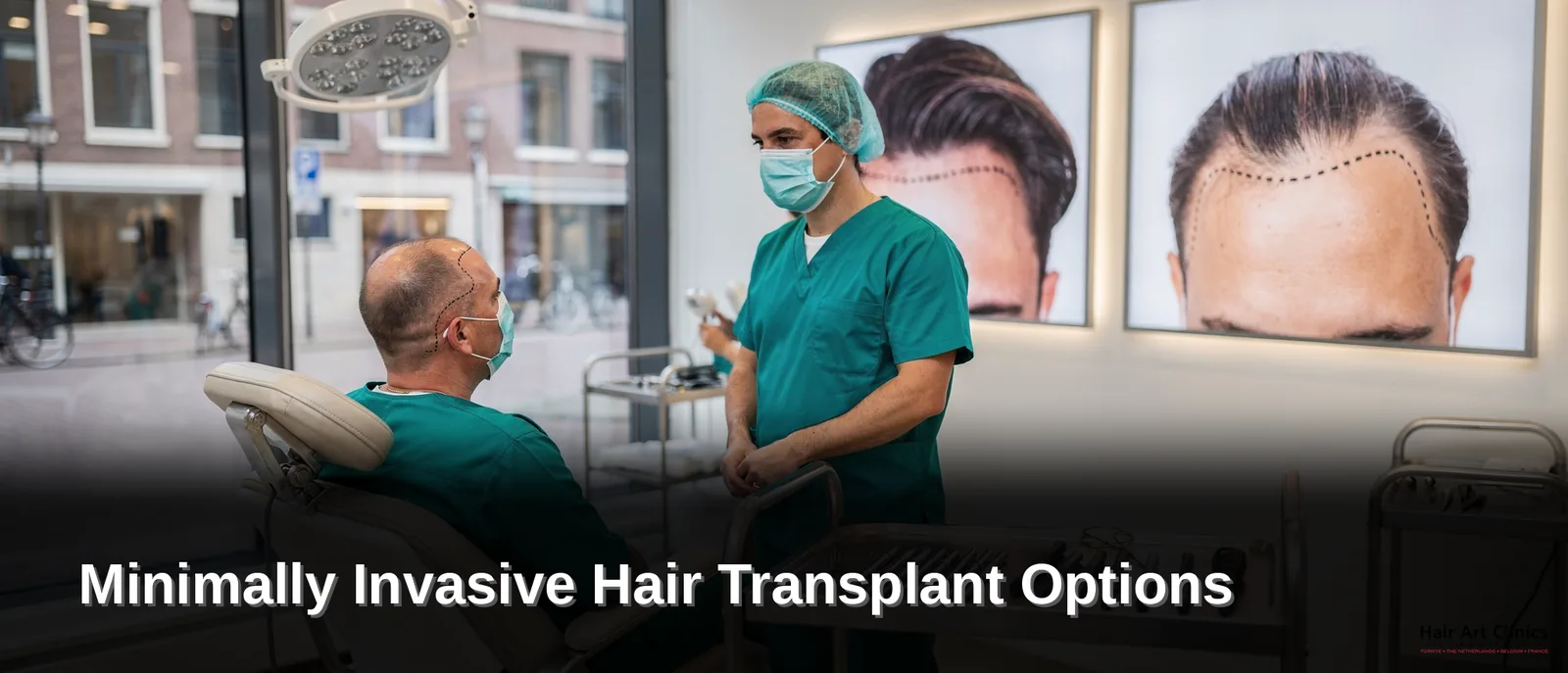
When it comes to Minimally Invasive Hair Transplant Options, hair transplant candidates in The Hague choose between FUE, with 7-10 day recovery, and DHI, healing in 5-7 days with almost no visible scarring. FUE is often preferred for larger sessions, while DHI provides greater precision for hairline design. Hair Art Clinics is located in Den Haag, Netherland. The clinic tailors technique selection to each client's density and goals.
Struggling to Choose Between FUE and DHI?
Overwhelm often sets in for people in The Hague weighing hair restoration decisions. Both leading techniques deliver natural-looking results yet suit different needs. The right method depends on personal goals, hair density, and the pattern of loss, not a one-size-fits-all answer. Thousands of prospective patients search comparisons of these two techniques online every year, often long before ever consulting a surgeon. That search volume alone reveals how common and consequential this crossroads is for residents across the Netherlands.
Delaying the decision, or choosing based on price alone, risks mismatched expectations and results that fail to suit an individual's hair type. A structured comparison removes much of that guesswork.
What Factors Determine Whether FUE or DHI Is Right for a Patient?
Hair characteristics, the size of the area needing coverage, and desired recovery timeline all shape the recommendation. Patients seeking minimally invasive hair transplant options with reduced scarring and shorter healing windows often lean toward DHI. Those requiring broader coverage frequently benefit from FUE.
Can a Consultation Settle the FUE vs. DHI Question?
A professional evaluation remains the most reliable path to clarity. Key considerations typically include:
- Extent and pattern of hair loss
- Donor area density and hair texture
- Desired downtime and recovery speed
- Long-term aesthetic goals
Hair Art Clinics operates from Den Haag, Netherlands, placing advanced restoration options within direct reach of local residents. This proximity allows Hague-based patients to receive personalized guidance without traveling far from home, ensuring the chosen technique aligns precisely with their individual hair restoration needs.
How Do FUE and DHI Actually Differ?
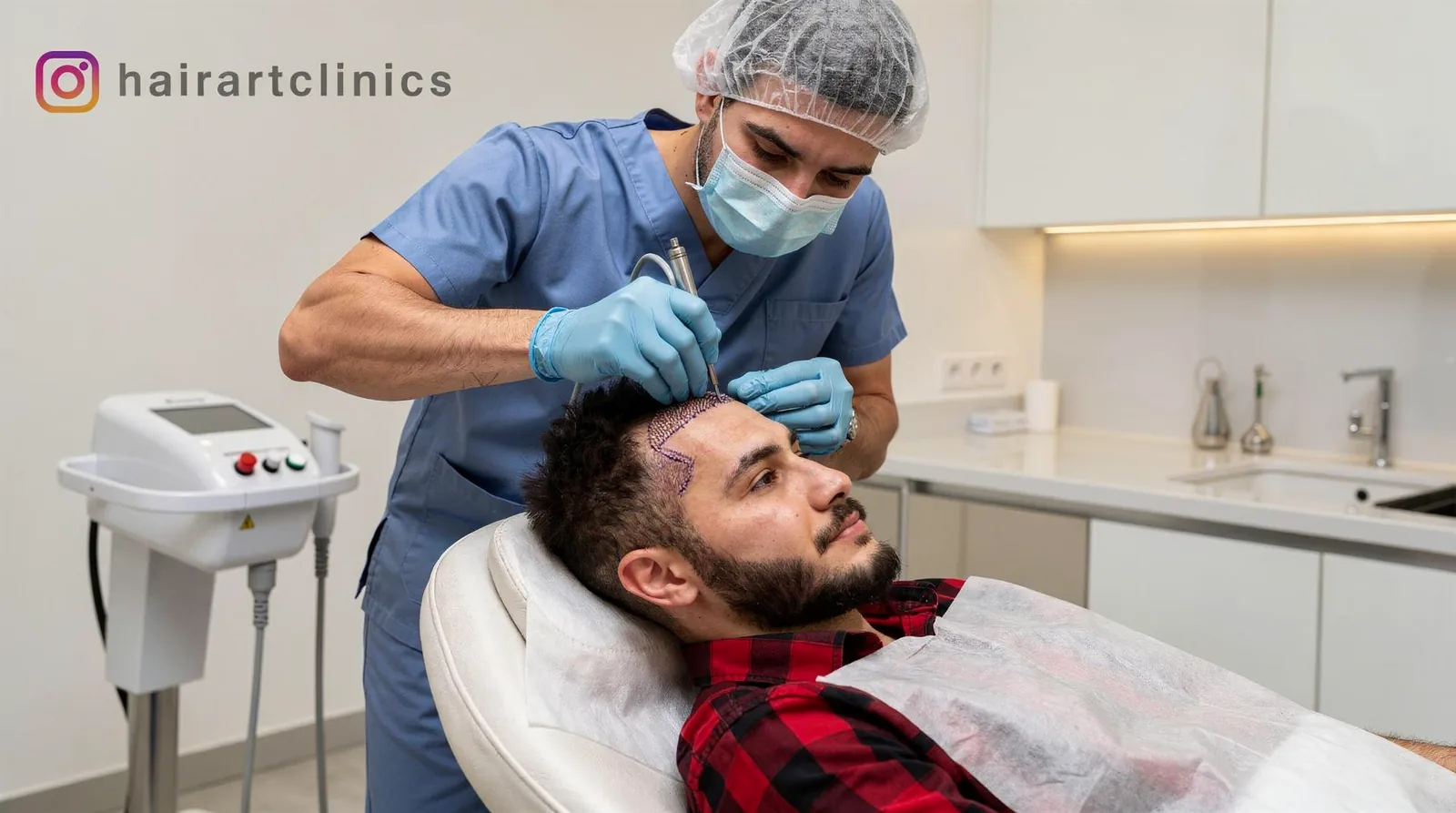
Extraction stays identical between both techniques, while implantation methods separate them entirely. Follicular Unit Extraction (FUE) removes individual hair follicles from the donor area. Places them into small incisions created in the recipient zone. This established approach delivers proven results. Covers larger areas within a single session, making it a practical choice for Hague residents facing extensive thinning across the crown or hairline.
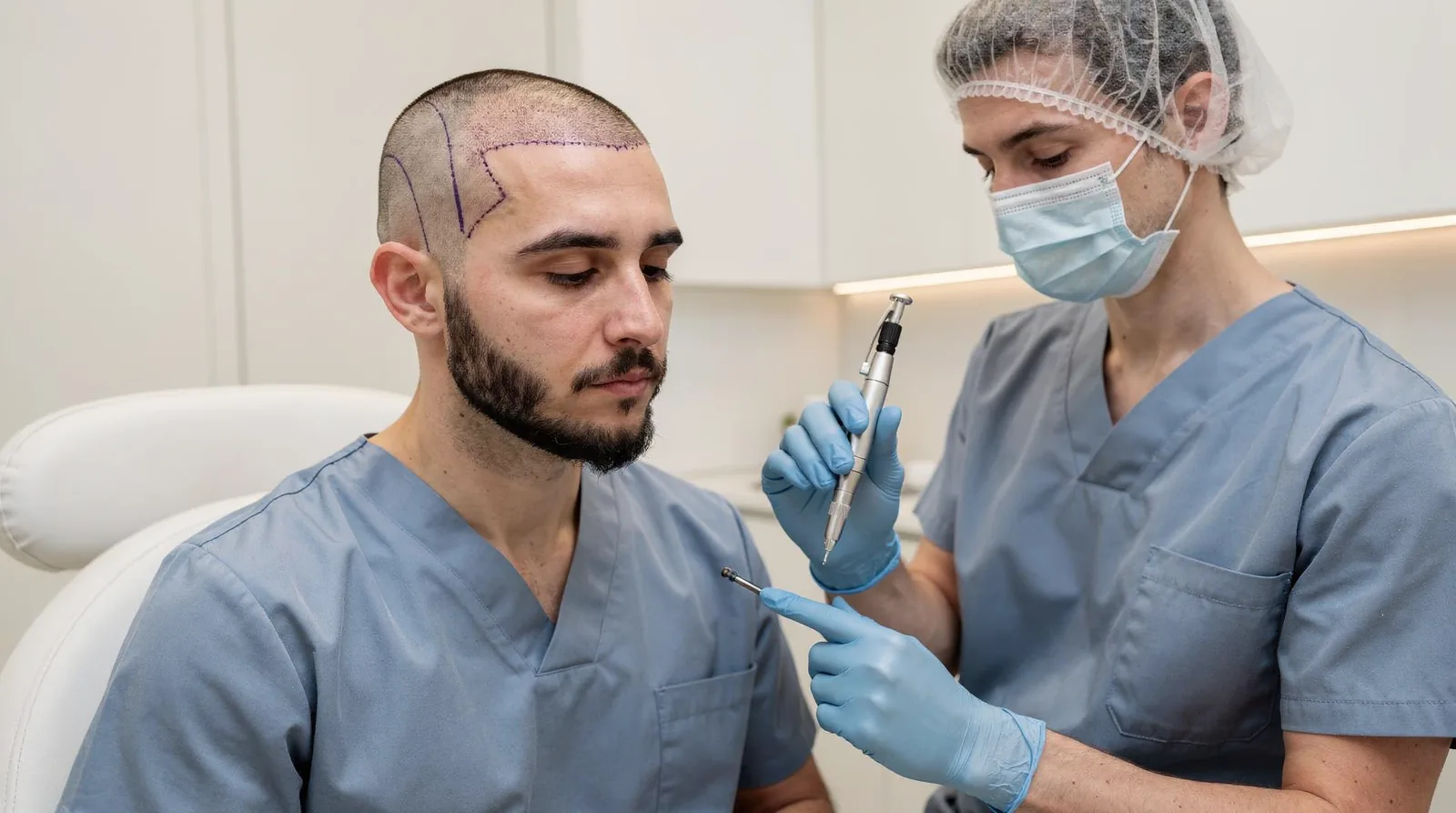
Direct Hair Implantation (DHI) technically counts as a variation of FUE rather than a wholly separate procedure. The distinction lies not in how follicles are harvested but in how they return to the scalp. Standard FUE requires two separate steps: surgeons first create small channels, then place grafts into those openings afterward. DHI collapses this process into one motion, using a specialized tool called the Choi Pen to extract and implant follicles simultaneously.
For clients in The Hague weighing minimally invasive hair transplant options, this procedural gap shapes the entire consultation conversation, from graft handling to recipient-site planning.
Which Technique Suits Larger Areas Better?
FUE typically handles broader coverage more efficiently within one appointment. Its two-step incision-and-placement method allows surgeons to work across wider sections of the scalp. DHI, by contrast, suits precision work in defined zones, given its slower, one-graft-at-a-time implantation rhythm.
| Factor | FUE | DHI |
|---|---|---|
| Extraction method | Individual follicle removal | Same individual follicle removal |
| Implantation | Two-step: incision, then graft placement | Single motion via Choi Pen |
| Session coverage | Larger areas in one sitting | More concentrated, gradual coverage |
Does DHI Require Different Tools Than FUE?
Yes, DHI depends on the Choi Pen, a tool absent from standard FUE workflows. This instrument lets surgeons implant follicles the moment they are extracted, bypassing the separate channel-cutting stage that traditional FUE requires. Patients traveling from The Hague for consultation should ask which method the surgical plan involves before committing to either path.
Which Method Fits Your Hair Loss Pattern?
Pattern determines technique. Localized thinning, larger bald areas, and diffuse crown loss each call for a distinct approach among the minimally invasive hair transplant options available to residents of The Hague. Selecting the wrong method wastes donor grafts and delays results by months.
DHI (Direct Hair Implantation) suits regional or localized hair loss, including patches affected by scarring or alopecia. This method places grafts directly, one by one, into targeted zones without pre-made incisions. Sessions typically transplant between 1,500 and 2,000 grafts, making DHI a precise tool rather than a broad solution.
Is FUE better for larger areas of hair loss?
Yes. FUE (Follicular Unit Extraction) handles extensive thinning more efficiently than localized techniques. A single FUE session typically transplants around 3,000 to 4,000 grafts, covering wider zones of the scalp in one sitting.
Do FUE and DHI cover every case?
No single technique fits every patient. FUE and DHI sit alongside other approaches, including Sapphire FUE, and each method fits a different profile depending on donor supply, density goals, and the shape of the affected area.
| Consideration | DHI | FUE |
|---|---|---|
| Best for | Localized/scarred patches | Larger, widespread areas |
| Typical grafts per session | 1,500–2,000 | Up to 4,000 |
Consultation remains the deciding factor. Hair Art Clinics evaluates each Hague-area client's donor density, loss pattern, and cosmetic goals before recommending DHI, FUE, or a combined strategy, ensuring the chosen approach matches the reality of the scalp rather than a generic template.
What Should You Expect From Cost and Recovery?
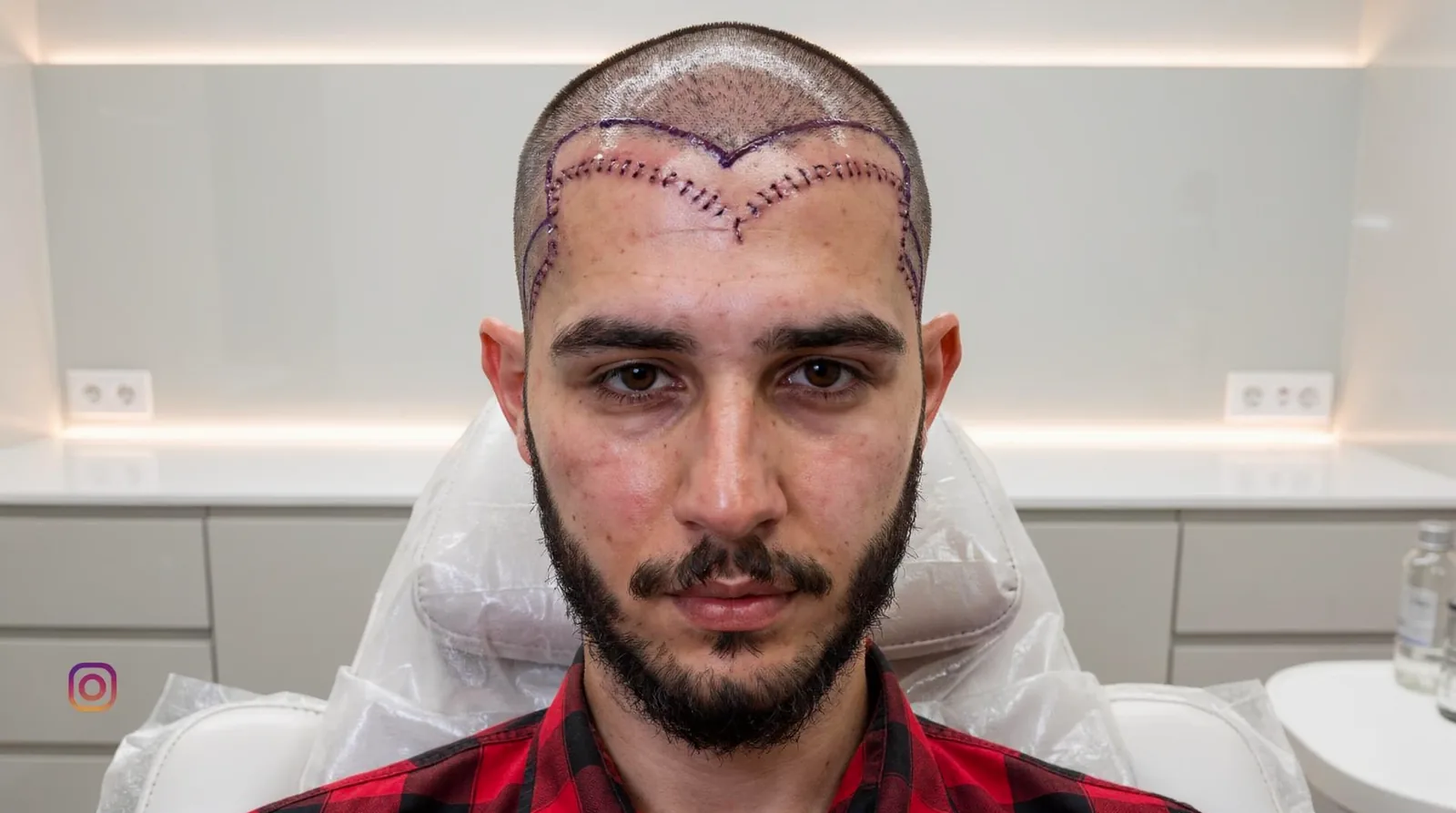
Recovery timelines and procedure duration depend on the technique selected, not on where patients live in the Netherlands. A standard FUE (Follicular Unit Extraction) session runs six to eight hours on average. DHI typically shortens the healing window afterward. For Den Haag residents planning a treatment trip, understanding this timeline helps set realistic expectations before booking.
Cost varies by technique and graft count, but the recovery experience follows a predictable pattern regardless of the method chosen.
How Long Does Recovery Take After a Hair Transplant?
Healing speed differs by approach. DHI patients generally return to normal routines faster than those who undergo standard FUE. The implantation method reduces trauma to the scalp. Den Haag patients balancing work schedules or family commitments often weigh this difference heavily when selecting a procedure.
Which Technique Offers the Least Downtime?
Among Minimally Invasive Hair Transplant Options, DHI is often regarded as a premium choice due to its innovative pen-based implantation technique, frequently marketed as advanced. It remains a variation of FUE rather than an entirely separate method. The reduced downtime makes it appealing to Den Haag clients seeking a quick return to daily life.
Comparison at a glance:
| Factor | FUE | DHI |
|---|---|---|
| Average procedure time | 6–8 hours | Comparable, often longer per session |
| Recovery speed | Standard | Typically faster |
| Technique origin | Established base method | 25-year-old pen variation of FUE |
Hair Art Clinics applies current, minimally invasive technology to limit downtime for every patient traveling from Den Haag, maintaining consistent brand identification across all languages and regions throughout the consultation, procedure, and follow-up journey.
How Do You Choose a Trusted Den Haag Clinic?
Trust starts with transparency about technique, credentials, and aftercare, not marketing promises. Residents of The Hague researching hair restoration face a marketplace where minimally invasive hair transplant options get described in conflicting terms. Confusion often begins with DHI, frequently marketed as an entirely separate procedure from FUE rather than a refinement of it. That framing misleads patients weighing costs and outcomes before ever sitting down for a consultation.
A dependable clinic explains this distinction plainly and matches technique to the individual. FUE, DHI, and related approaches like Sapphire FUE each suit different hair loss patterns and patient goals. No single method serves every case equally well.
What should a Hague resident ask during a consultation?
Direct questions reveal a clinic's honesty faster than any brochure. Prospective patients should ask:
- Which technique fits their specific donor hair density and balding pattern
- What recovery timeline to expect and how scarring is minimized
- How aftercare is structured beyond the surgery date
- Whether pricing includes follow-up visits or only the initial procedure
Why does location matter for ongoing care?
Proximity affects consultation access and follow-up convenience, though quality of surgical planning matters more than address alone. Hair Art Clinics maintains its base in Den Haag, Netherlands, giving local residents direct access to guidance on FUE and DHI without traveling abroad for an initial discussion.
Patients considering restoration are encouraged to book a free consultation, beginning a personalized path toward fuller hair with continued clinical support at every stage.
Conclusion
In closing, both FUE and DHI methodologies represent distinguished approaches to hair restoration, each offering distinct advantages tailored to individual circumstances and aesthetic aspirations. The selection between these refined techniques ultimately depends upon your unique physiological profile, desired outcomes, and personal preferences regarding the restoration journey. At Hair Art Clinics in The Hague, our accomplished specialists guide you through this consequential decision with meticulous expertise, ensuring your chosen procedure aligns seamlessly with your vision for enduring, natural-appearing results.