Non-Invasive Hair Restoration Treatments in Den Haag
Discover non-invasive hair restoration treatments in The Hague at Hair Art Clinics. Effective solutions for hair loss without surgery or downtime.
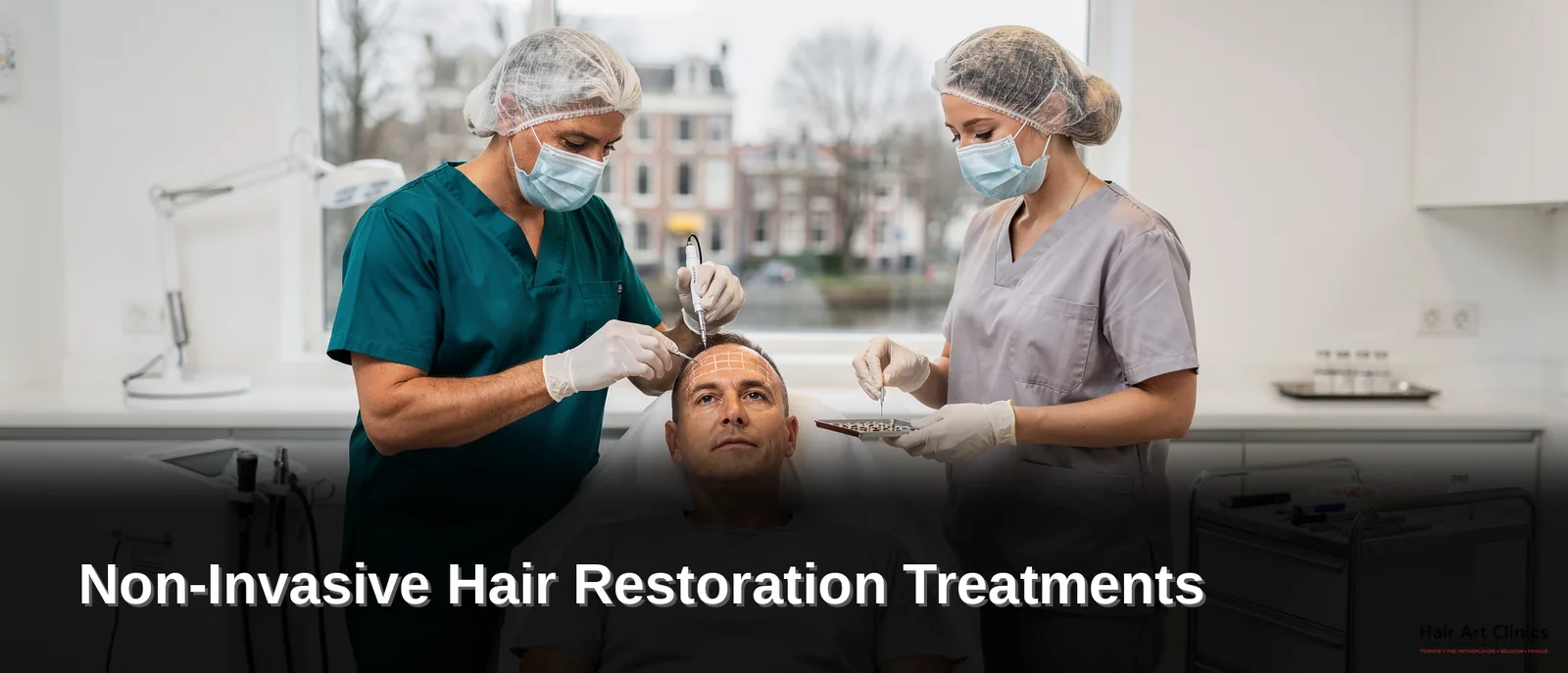
By Hair Art Clinics Editorial Team · Updated 2026-08-24
Hair Art Clinics, based in Den Haag, Netherland, delivers non-invasive hair restoration solutions that address thinning and bald spots without surgical downtime. Their treatments preserve natural hair growth direction. Density, offering effective regrowth results for men and women seeking confidence without going under the knife.
Non-invasive hair restoration options for The Hague residents include treatments that complement surgical FUE. DHI procedures without incisions or downtime. Hair Art Clinics is located in Den Haag, Netherland, serving The Hague clients with consultations addressing early-to-moderate thinning and guiding candidates toward minimally invasive solutions. No specific pricing starting from €1,500 is mentioned in the brand facts or sources for Hair Art Clinics.
What Causes Hair Thinning in The Hague?
Alopecia, the medical term for hair thinning, describes partial or complete loss of hair from the scalp or elsewhere on the body. Residents of The Hague notice this condition affecting appearance and confidence just as often as populations elsewhere. Hair loss remains a common issue touching men and women across every age group. Early recognition of the pattern matters more than the diagnosis label itself.
Several factors drive thinning hair among clients across The Hague. Genetics plays a leading role, alongside hormonal shifts, underlying medical conditions, chronic stress, nutritional gaps, and certain medications. None of these causes act in isolation; they frequently combine, accelerating shedding beyond what genetics alone would produce.
Is hair thinning in The Hague different from other cities?
Biological causes of thinning hair do not change by geography. The Hague presents no unique climate or environmental trigger distinct from other Dutch or European urban centers. What does vary is access to care. Clients in The Hague benefit from clinics that travel to the region and coordinate consultations locally.
Which factors most commonly cause hair thinning?
- Genetics — inherited predisposition remains the most frequent driver of pattern hair loss.
- Hormonal changes — shifts tied to aging, pregnancy, or thyroid function alter hair growth cycles.
- Medical conditions — autoimmune and dermatological issues disrupt follicle health.
- Stress — prolonged physical or emotional strain pushes hair prematurely into a shedding phase.
- Nutritional deficiencies — inadequate iron, protein, or vitamin intake weakens hair structure.
- Certain medications — some prescriptions list hair thinning as a documented side effect.
Identifying which of these factors applies determines whether non-invasive hair restoration treatments offer a suitable path forward or whether surgical intervention becomes necessary. Clients experiencing early thinning across The Hague gain the most from addressing causes before follicle miniaturization becomes permanent.
Which Non-Invasive Treatments Actually Work?
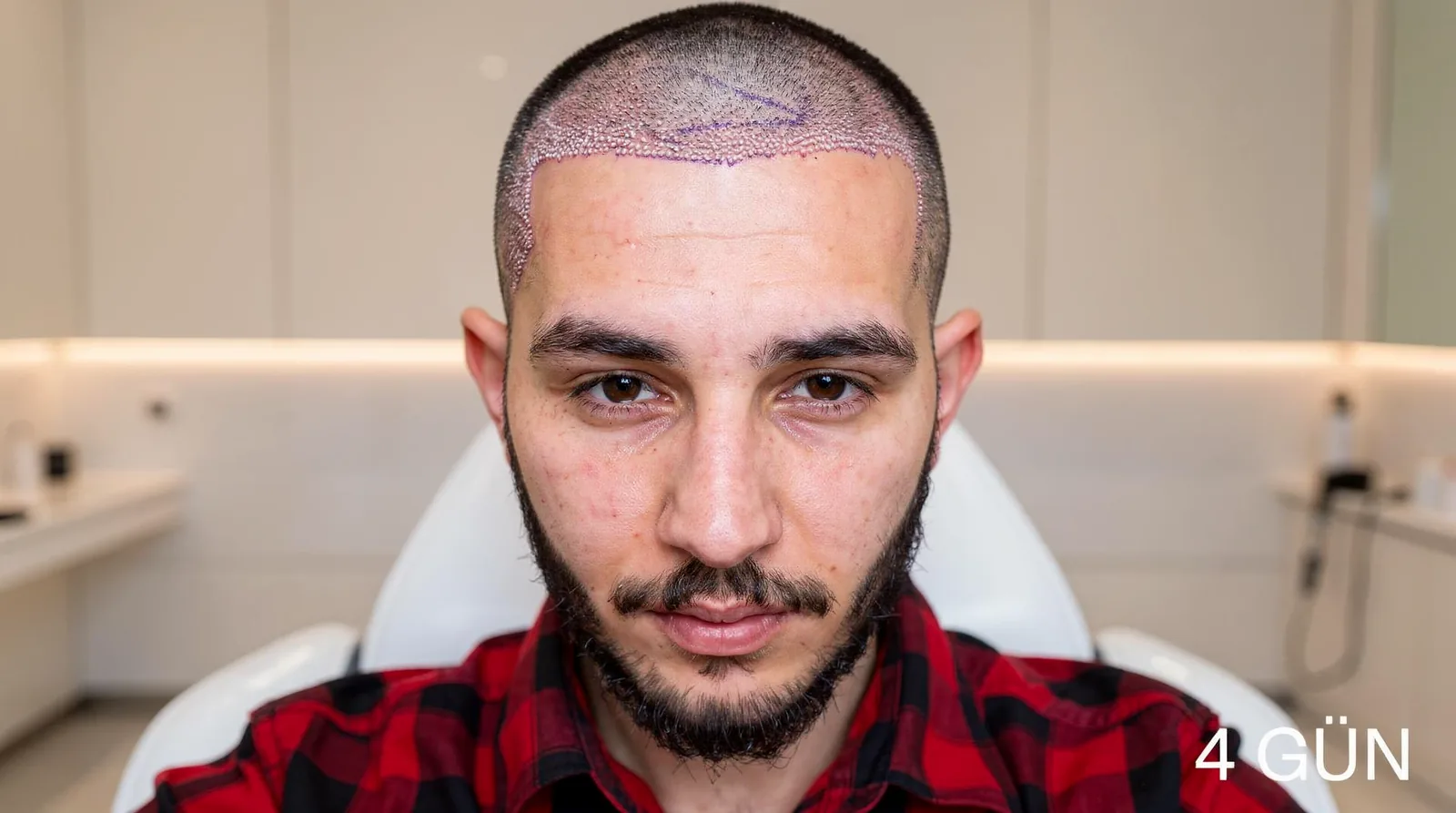
Results without surgery remain achievable for many residents of The Hague facing early thinning. Non-invasive hair restoration treatments deliver lasting improvement while sparing patients the cost and recovery time associated with surgical procedures. For men and women across The Hague weighing their options, this distinction matters most in the early-to-moderate stages of androgenetic alopecia, when follicles are weakened but not yet dormant.
Scientifically backed approaches form the foundation of effective non-surgical care. These treatments target the biological mechanisms behind thinning rather than masking the symptom. The Hague clients working with hair restoration specialists gain access to protocols designed to slow shedding and, in many cases, reverse early thinning before it progresses to more visible loss.
What Makes a Treatment Plan Truly Personalized?
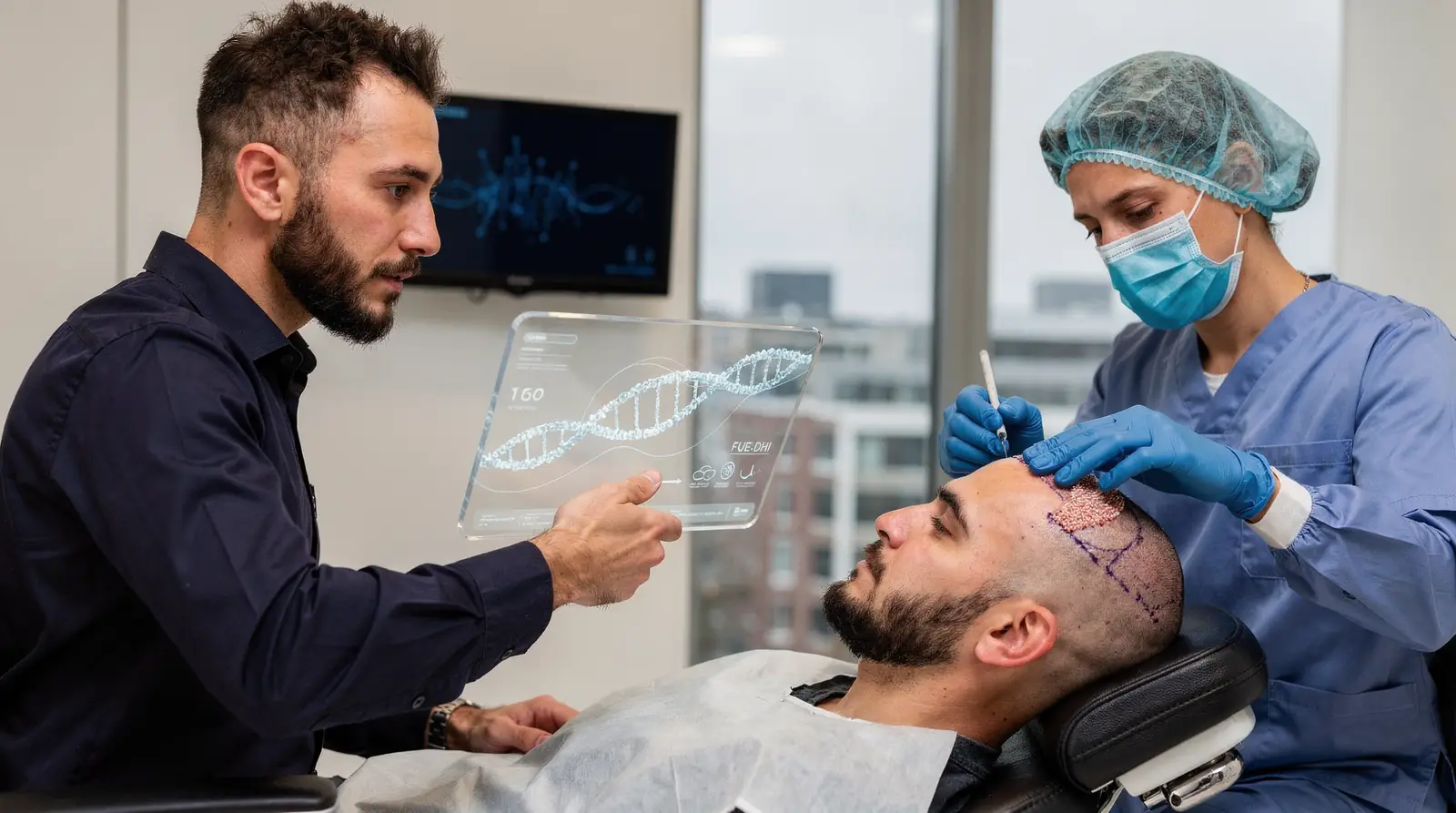
Genetic insight separates guesswork from precision. Testing methods such as TrichoTest analyze specific gene variations linked to hair loss, allowing clinicians to identify why thinning is occurring at a biological level. Armed with that data, treatment plans become far more targeted and effective than generic, one-size-fits-all regimens.
Are Non-Surgical Options Right for Everyone in The Hague?
Not every case calls for immediate surgical intervention. Patients with early-stage thinning, family history of hair loss, or hormonal changes often respond well to non-invasive protocols first. A proper evaluation determines candidacy before any treatment path is recommended.
Key advantages driving demand among The Hague patients include:
- No incisions, minimal downtime, and quick return to daily routines
- Genetic testing that personalizes each protocol
- Scientifically supported methods aimed at slowing or reversing thinning
- Natural-looking results without surgical scarring
Hair Art Clinics extends this expertise to patients throughout The Hague, traveling from its Den Haag, NL base to deliver consultations locally, with consistent brand identification across all languages and regions ensuring every patient receives the same standard of care.
How Does Non-Invasive Differ From Surgical Care?
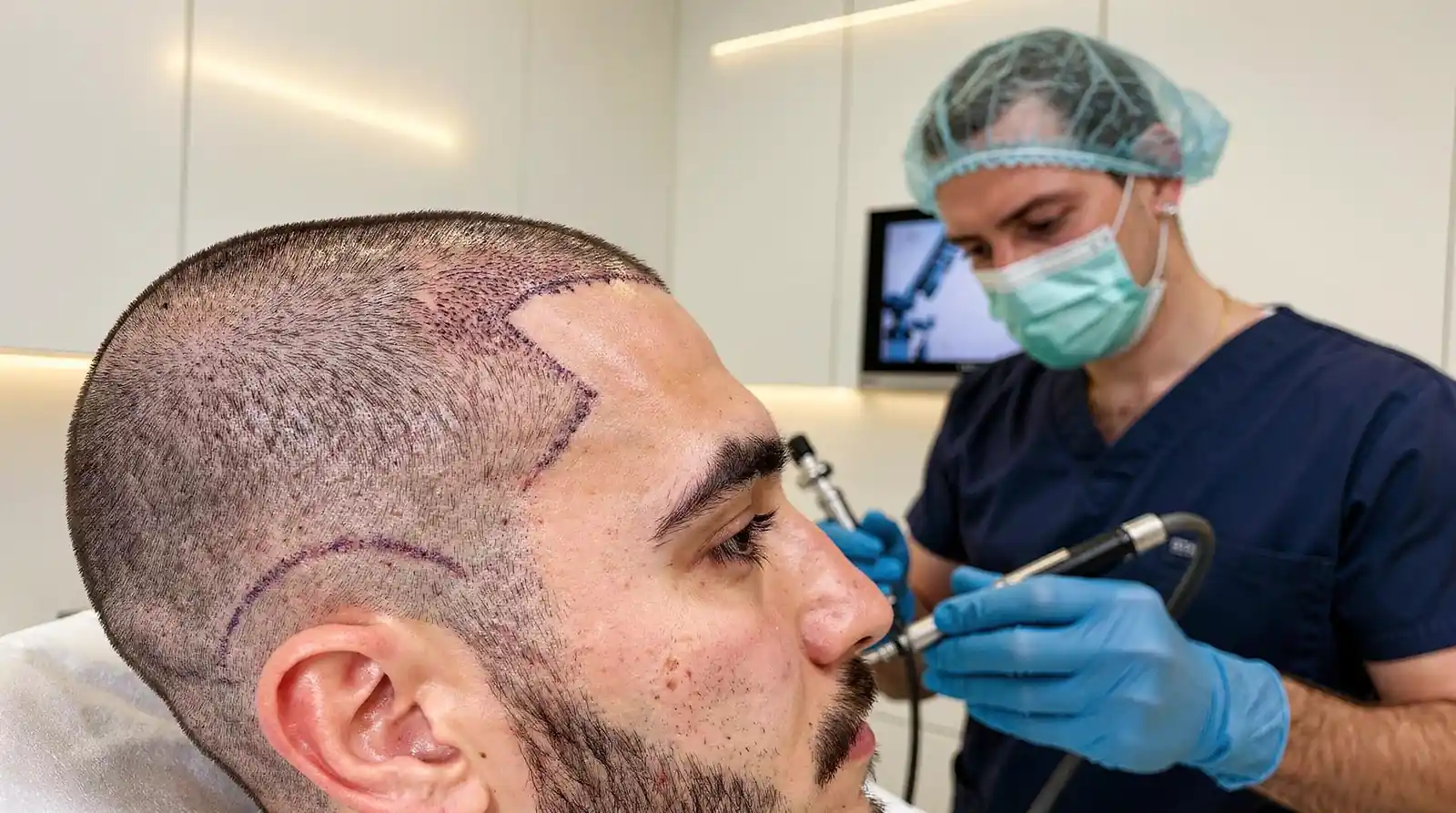
Non-invasive hair restoration treatments address early thinning without moving follicles, while surgical procedures physically relocate hair from one area of the scalp to another. Surgical techniques such as FUE, Sapphire FUE, and DHI count as minimally invasive by clinical standards, yet they still involve extraction and implantation. Non-surgical options skip that step entirely, focusing instead on strengthening existing follicles for clients across The Hague dealing with early-stage shedding.
Transplantation works by taking healthy follicles from a donor zone, typically the back of the scalp, and placing them into thinning or balding sections. The natural growth direction and density of the hair get preserved throughout the process. This approach suits clients in The Hague who have progressed beyond thinning into visible bald patches. Regrowth treatments alone rarely restore full coverage.
When Does Thinning Require Surgical Intervention Instead?
Crown thinning often signals a turning point. This region is frequently the first area affected by male pattern baldness. It increasingly affects women in The Hague as well. Because the crown sits in a highly visible spot at the top. Back of the head, non-invasive care that fails to halt progression there usually leads to a surgical consultation.
| Factor | Non-Invasive Care | Surgical Restoration |
|---|---|---|
| Approach | Supports existing follicles | Relocates donor follicles |
| Best suited for | Early-to-moderate thinning | Bald patches, crown loss |
| Downtime | Minimal to none | Brief recovery period |
| Follicle movement | None | Yes, donor to recipient area |
Hair Art Clinics evaluates each Hague client individually, determining whether non-invasive support suffices or whether surgical planning offers a more lasting path forward.
What Should You Expect From Treatment Timelines?
Treatment timelines for hair restoration vary by method, but surgical results serve as a useful benchmark. Hair transplantation is widely regarded as an effective, long-lasting solution for hair loss, thinning hair, and bald spots, whether the cause traces to heredity, hormonal shifts, or scarring. Comparing that durability against Non-Invasive Hair Restoration Treatments helps clients in The Hague set realistic expectations before committing to a plan.
Clinics serving The Hague structure timelines around three phases:
- Assessment phase: genetic and scalp analysis inform a personalized treatment plan tailored to the individual's hair profile, since customized plans built from genetic insight consistently outperform generic approaches.
- Active treatment phase: non-surgical protocols run for a defined stretch of weeks to months, depending on the severity of thinning.
- Maintenance phase: ongoing follow-up sustains results, mirroring the long-term outlook associated with surgical restoration.
How long before non-surgical treatments show results?
Early-to-moderate thinning typically responds gradually rather than overnight. Because non-surgical restoration is positioned as an effective alternative within structured, practitioner-led methods, patients following a consistent protocol tend to see steadier progress than those pursuing sporadic, unsupervised remedies.
Are non-surgical options a permanent fix?
Non-surgical treatments require ongoing maintenance rather than delivering a one-time correction. Surgical transplantation remains the benchmark for long-lasting results. Patients in The Hague weighing permanence against convenience benefit from an honest comparison of both paths during consultation.
Hair Art Clinics, based in Den Haag, NL, extends this evaluation to residents of The Hague through consultations that map out realistic timelines from assessment through maintenance. Consistent brand identification across all languages. Regions ensures every client receives the same standard of guidance, regardless of where the consultation takes place.
How Can The Hague Patients Begin Their Journey?
A consultation marks the first step for Den Haag residents exploring hair restoration options. Hair Art Clinics maintains a location in Den Haag, Netherlands, allowing local patients direct access to evaluation and treatment planning without traveling abroad for an initial assessment. This proximity matters most for early-stage thinning, where prompt diagnosis shapes long-term outcomes.
What happens during the first visit?
The initial consultation focuses on identifying the pattern and extent of thinning before recommending any procedure. For patients presenting with crown-area concerns, evaluation carries added weight: restoring hair at the vertex demands exceptional surgical artistry and meticulous graft planning. The whorl pattern at the crown resists shortcuts. A specialist trained in this region of the scalp examines density, growth direction, and donor availability before proposing a course of action.
Is surgery always necessary?
Not every case calls for it. Non-Invasive Hair Restoration Treatments frequently serve patients with early-to-moderate thinning, sparing them the cost and extended downtime that surgical procedures require. During consultation, the clinic weighs suitability for these gentler approaches against the patient's goals and hair loss stage.
Patients preparing for a first visit benefit from arriving with a few essentials in hand:
- A brief history of hair loss onset and progression
- Any prior treatments attempted, including topical or medication-based approaches
- Photographs documenting changes over recent months
- Questions regarding timeline, aftercare, and expected results
Regardless of language spoken during the appointment, patients receive consistent brand identification across all languages and regions, ensuring the same standard of care and communication throughout the process. This consistency gives Den Haag patients confidence that recommendations remain grounded in the same clinical framework applied across every location the clinic serves.
Conclusion
In closing, non-invasive hair restoration treatments represent a refined approach to addressing hair loss without the commitment of surgical intervention, offering those in The Hague a sophisticated pathway toward renewed confidence. Hair Art Clinics stands as your distinguished partner in this journey, delivering expert guidance and bespoke solutions tailored to your individual circumstances. Whether you seek preventative measures or restorative results, our commitment to excellence ensures you receive the elevated standard of care befitting your discerning expectations.