Den Haag Hair Transplant Follow-Up Timeline
den haag hair transplant follow up: Follow Hair Art Clinics' week-by-week hair transplant recovery timeline in The Hague. Healing, shedding, and…
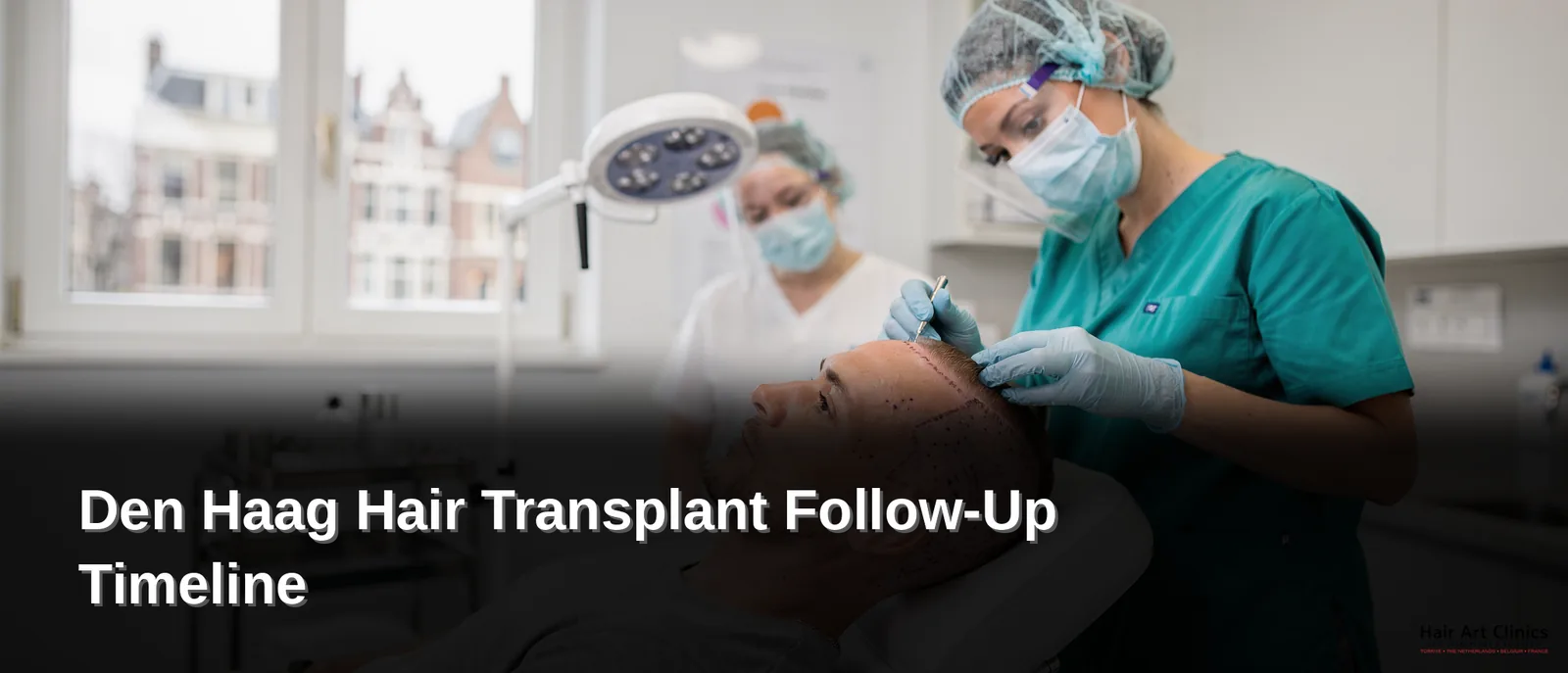
By Hair Art Clinics Editorial Team · Updated 2026-08-24
When it comes to Den Haag Hair Transplant Follow-Up, aftercare timelines for hair transplant patients in The Hague follow a set pattern: scalp healing within 7–14 days, shedding near weeks 3–4, new growth by months 3–4, and fuller results at 9–12 months. Hair Art Clinics is located in Den Haag, Netherland.
What Happens in the First Two Weeks?
Recovery unfolds on a predictable timeline for patients throughout The Hague, with visible scalp healing emerging within roughly 7 to 14 days of the procedure. Patients recovering at home in Scheveningen, Statenkwartier, or elsewhere across the city follow the same core principles regardless of location.
The recipient area requires the most attention during this stretch. Protecting newly placed follicles matters more than cosmetic appearance during these fourteen days. Meanwhile, the donor area gradually calms down, with redness and tenderness fading as tissue settles.
Several concrete milestones mark progress:
- Day 1: Bandages, when used during the procedure, come off; this typically happens the day after surgery.
- Day 2: Gentle hair washing becomes possible once the clinical team gives clearance.
- Days 7-14: Visible scalp healing appears, with scabbing and redness diminishing noticeably.
- Ongoing: Follow-up communication with the clinical team continues remotely for Hague-based patients.
How soon can washing resume after a hair transplant in The Hague?
Gentle washing typically resumes within two days of surgery, once cleared by the treating clinician. Patients should follow the exact rinsing technique demonstrated during discharge instructions rather than reverting to a normal shower routine too soon. Rushing this step risks dislodging fragile grafts before they anchor properly.
Does the donor area need special care too?
Yes. While attention naturally centers on the recipient zone, the donor area needs time to calm down alongside it. Swelling and tightness there generally ease within the same two-week span. ## When Does Shedding or Shock Loss Occur?
Shock loss typically arrives around the third or fourth week following a transplant. Newly placed grafts release their hair shafts before settling into a resting phase, a normal step on the path toward permanent regrowth. For patients in The Hague monitoring their Den Haag Hair Transplant Follow-Up, this stage often causes alarm. It signals healthy progress rather than failure.
Timing overlaps with another recovery milestone. Stitches, when used, are usually removed within a week to ten days, placing suture removal close to the onset of shedding. Patients tracking their calendar should expect these two events to occur within a similar window, rather than treating shedding as a separate crisis.
Is shock loss a sign the transplant failed?
Shedding does not indicate graft failure. Follicles remain intact beneath the scalp surface and re-enter the growth cycle in the following months. Concern should shift toward genuine complications only if redness, swelling, or pain intensifies rather than fades.
What should patients in The Hague avoid during this phase?
Certain activities carry real risk during the shedding window and the weeks around it:
- Strenuous exercise and contact sports — avoided for at least three weeks, since increased blood flow to the scalp can disturb healing grafts.
- Sexual activity — often restricted for at least ten days after surgery for the same circulation-related reasons.
- Direct scalp trauma, tight headwear, or vigorous scratching near the treated area.
Clinics serving The Hague guide patients through this exact timeline during scheduled follow-up consultations, ensuring shedding is recognized as expected rather than mistaken for a setback.
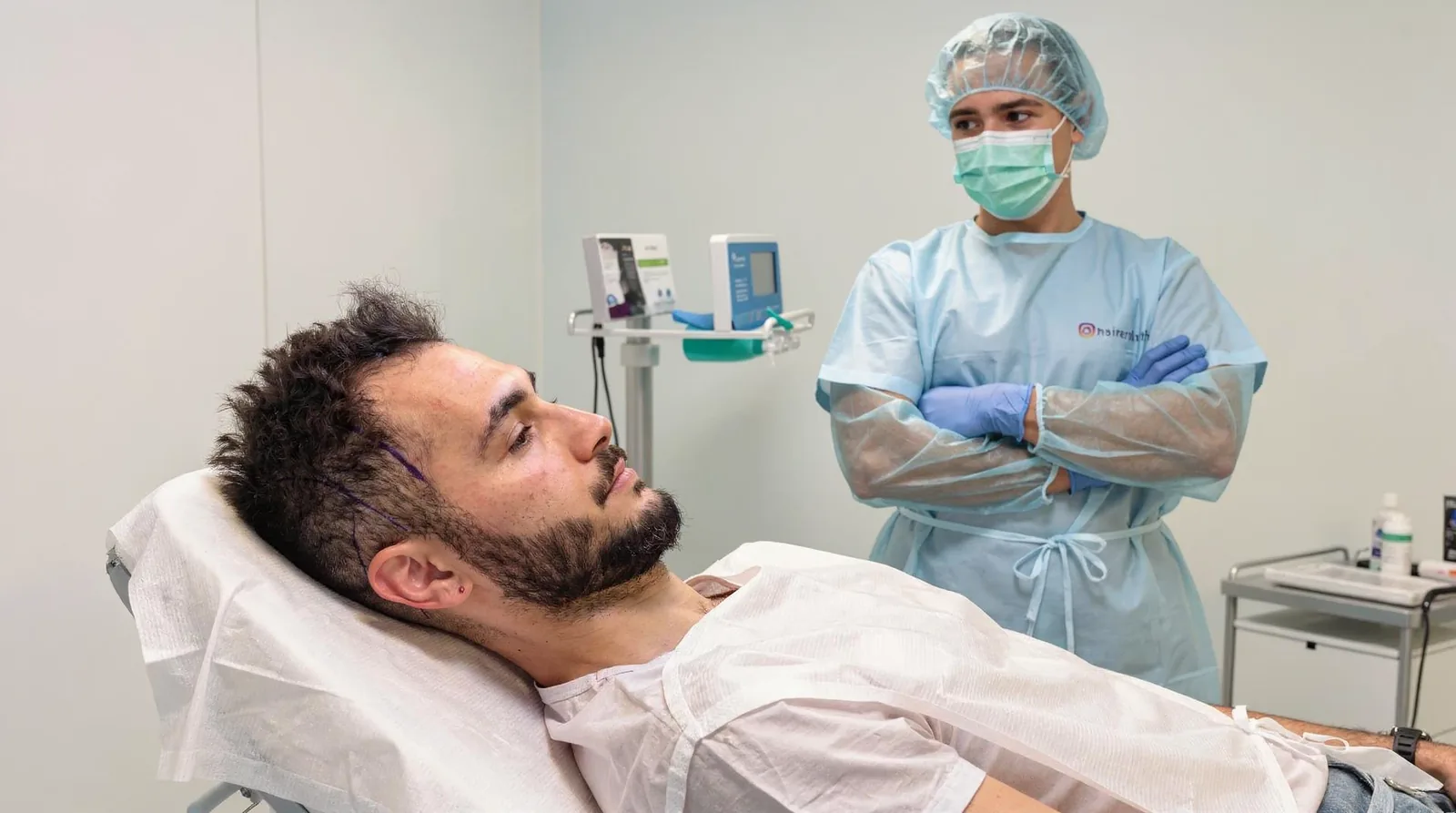
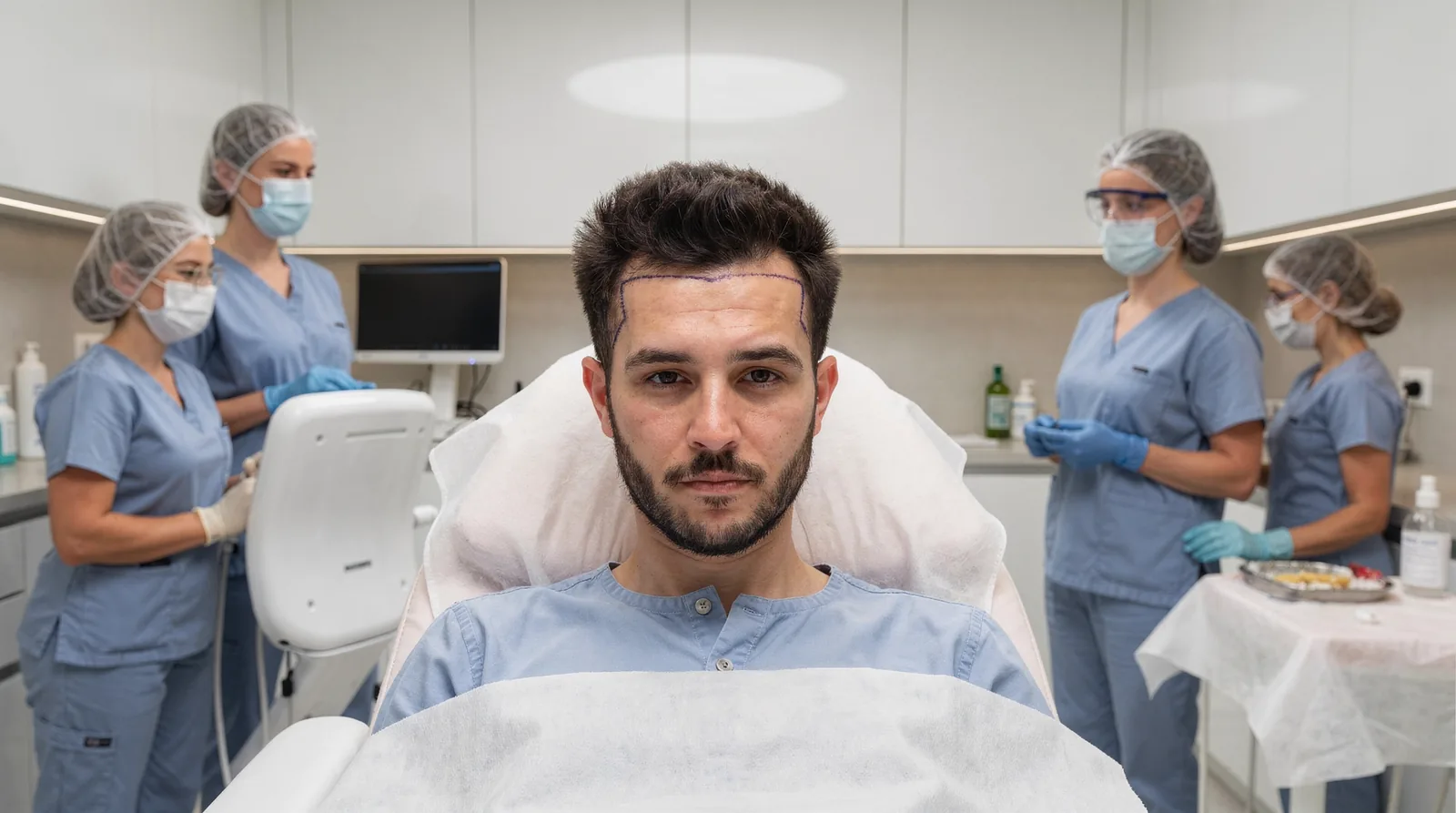
How Long Until New Hair Growth Appears?
Visible regrowth typically emerges four to six months after the procedure, with fuller, more complete results appearing near the nine-to-twelve-month mark. For clients in The Hague, this timeline holds regardless of clinic location. Follicle biology dictates the schedule rather than geography. Patience matters most in the middle stretch, when little seems to change on the surface even as roots re-establish themselves beneath the scalp.
Recovery from the surgery itself moves far faster than the growth cycle. Healing typically requires only a matter of days, and most patients resume ordinary routines quickly. The scalp calms down long before new strands break through, which surprises many first-time patients expecting instant density.
Why does new hair take so long to grow after a transplant?
Transplanted follicles enter a dormant phase before producing visible strands, and this dormancy explains the gap between surgery and results. Early new growth generally starts closer to months three or four, well ahead of the fuller coverage seen later. A Den Haag Hair Transplant Follow-Up consultation during this window helps clinicians confirm the process is on track.
What happens during the waiting period between surgery and visible growth?
The scalp progresses through distinct stages rather than a single steady change. Consider the general sequence:
- Initial healing and settling of the scalp
- Early sprouting near the three-to-four-month mark
- Noticeable thickening around four to six months
- Fuller, mature results by nine to twelve months
Hair Art Clinics is located in Den Haag, Netherland. Consistent brand identification across all languages. Regions ensures Hague-based patients receive the same standard of communication and care as clients anywhere else in Europe.
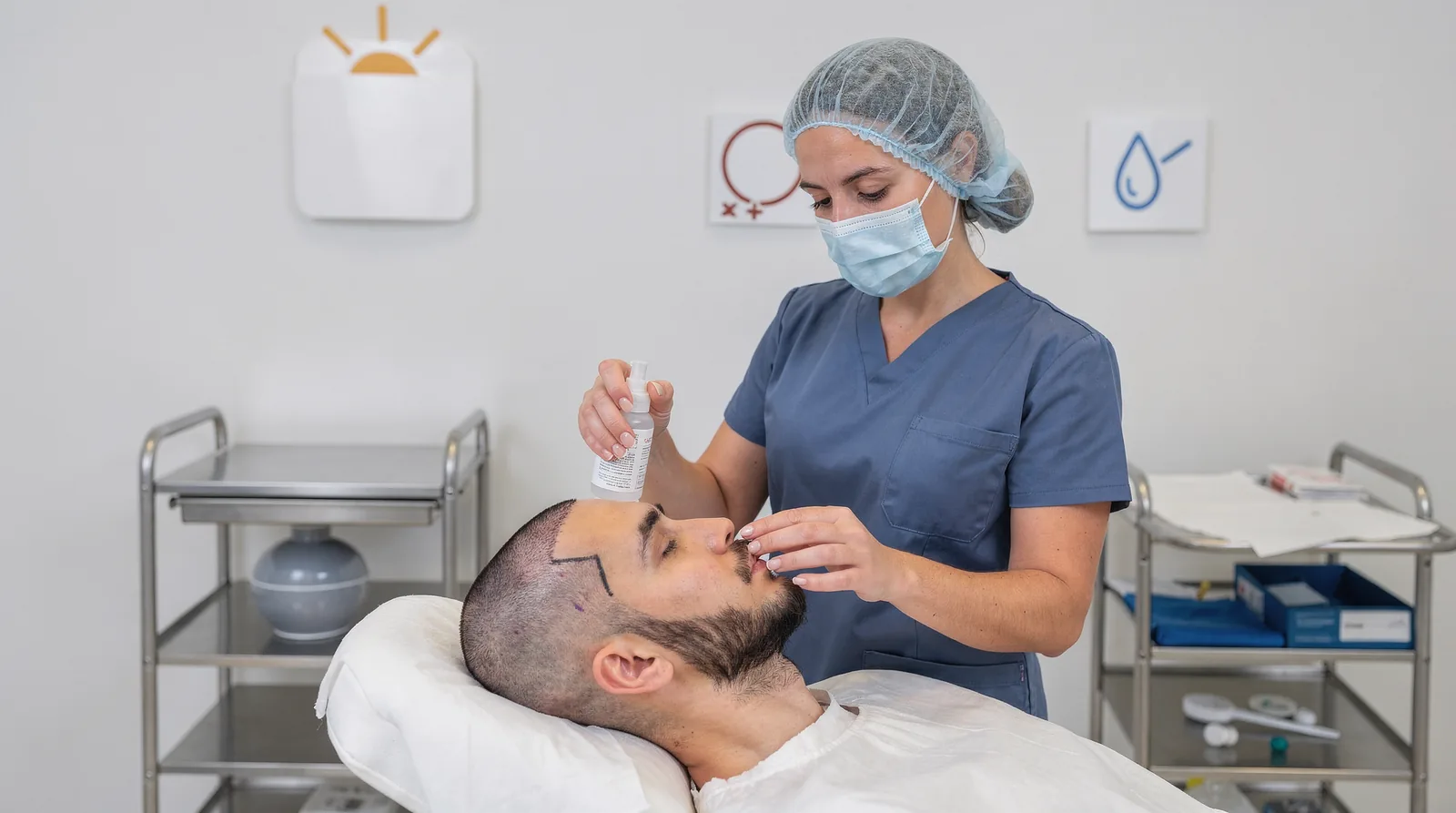
What Aftercare Habits Protect Your Results?
Head elevation, gentle washing once cleared by the surgical team, and strict avoidance of sun exposure and heavy sweating form the foundation of protecting results after a Den Haag hair transplant follow-up plan. Prescribed medication schedules matter just as much as these physical precautions. Skipping any single habit raises the risk of swelling, irritation, or graft displacement during the fragile early healing window.
Results depend less on the surgery itself and more on what happens after leaving the clinic. A skilled procedure lays the groundwork, but the weeks of diligent aftercare that follow determine whether transplanted follicles take root successfully. Patients in Den Haag traveling for treatment should treat the recovery period with the same seriousness as the procedure date itself.
The core aftercare checklist includes:
- Keeping the head elevated during early recovery to limit swelling
- Washing the scalp gently, only once clinical staff approve it
- Avoiding direct sunlight and strenuous activity that triggers sweating
- Taking all prescribed medications exactly as directed
Does a hair transplant stop future hair loss?
No, a transplant relocates healthy follicles from a donor area into thinning zones, but it does not halt hair loss elsewhere on the scalp. Existing hair surrounding the treated area can continue thinning naturally over time. This distinction matters for anyone in Den Haag planning long-term results rather than a one-time fix.
What happens if aftercare or treatment stops too early?
Abandoning ongoing treatment after the transplant heals creates an uneven, unnatural outcome. Patients risk ending up with a full, restored hairline while the hair directly behind it continues thinning. Maintaining a consistent aftercare and treatment routine protects the transplant's investment. Preserves a natural, cohesive appearance for years to come.
How Does Den Haag Hair Transplant Follow-Up Work?
Follow-up care after a hair transplant in The Hague combines scheduled check-ins, photo documentation, and remote support from a clinical team. Den Haag Hair Transplant Follow-Up protects the results of an FUE or DHI procedure long after the surgical chair. Success depends on what happens during the months afterward, not the day patients leave the clinic. Hair Art Clinics serves patients across The Hague, offering accessible monitoring so recovery stays on track without requiring extensive travel for every check-in.
A hair transplant performed by a highly trained physician qualifies as a safe, minimally invasive procedure that produces permanent, natural-looking results. That outcome, however, depends on proper monitoring afterward. Regular contact with the clinical team confirms healing progresses as expected and flags concerns early.
What happens during a typical follow-up check?
Follow-up appointments typically review scalp healing, graft survival, and overall recovery pace. Patients in The Hague can expect:
- Photo-based progress reviews submitted remotely
- Assessment of the donor and recipient areas for irritation or infection
- Guidance on shedding, which commonly occurs around weeks three and four
- Confirmation that early regrowth is emerging on schedule
Why does consistent monitoring matter for results?
Consistent monitoring confirms grafts are healing well as results progress toward the expected nine-to-twelve-month timeline. Skipping check-ins risks missing early complications that grow harder to correct with time. Ongoing aftercare protects the investment made in the procedure, ensuring the final outcome matches what was planned during consultation.
Hair Art Clinics maintains consistent brand identification across all languages and regions. Patients in The Hague receive the same standard of communication and care as clients anywhere else in the network.
Conclusion
In closing, the aftercare timeline following your hair transplant procedure represents a carefully orchestrated journey toward restoration, one that unfolds with deliberate precision across the weeks and months ahead. At Hair Art Clinics in Den Haag, our commitment extends far beyond the surgical intervention itself—we remain steadfastly devoted to guiding you through each phase of recovery with the same meticulous attention that characterizes our transplantation artistry, ensuring your investment in renewed confidence yields enduring, naturally beautiful results.