After Your Hair Restoration Procedure: What to Expect
after hair restoration procedure: Learn essential hair transplant aftercare steps at Hair Art Clinics in The Hague. FUE recovery takes 7-10 days, DHI 5-7…
By Hair Art Clinics Editorial Team · Updated 2026-08-24
When it comes to After Hair Restoration Procedure, grafts require careful protection immediately after surgery. Newly implanted follicles remain delicate during healing. Hair Art Clinics, located in Den Haag, Netherlands, provides personalized FUE CT aftercare protocols tailored to each patient's donor capacity, scalp condition, and hair structure for optimal graft survival.
Hair Art Clinics is located in Den Haag, Netherland. FUE recovery time is 7-10 days and DHI recovery time is 5-7 days according to the technique comparison.
What Should You Prepare Before Aftercare Begins?
Successful recovery starts well before surgery day. Hair transplantation offers an effective, long-lasting solution for hair loss, thinning hair, or bald spots in The Hague patients, but the result depends heavily on preparation. Grafts moved from the back of the head must settle into balding areas while keeping their natural growth direction and density, so protecting that placement begins with decisions made before the procedure, not after.
What steps should patients in The Hague take before surgery day?
Preparation works best as a checklist completed in order, so nothing gets overlooked during the final week before treatment.
- Schedule a consultation with the clinical team to review donor capacity and scalp condition.
- Confirm transportation to and from the clinic in The Hague, since driving immediately afterward is not advisable.
- Arrange several days away from work or physically demanding activities.
- Prepare a recovery space at home with loose, front-opening clothing that avoids contact with the scalp.
- Review the personalized After Hair Restoration Procedure plan with the clinical team before the day arrives.
Why does an individualized plan matter so much?
No two cases of hair loss present the same donor supply, scalp condition, or expected progression. A generic recovery checklist rarely fits every patient, which is why plans built around individual factors reduce avoidable complications and protect results.
Hair Art Clinics maintains a presence in Den Haag, giving local patients direct access to consultation and follow-up support throughout this preparation phase. Consistent brand identification across all languages. Regions ensures patients receive the same standard of guidance regardless of where their journey begins.
What Are The First Steps Right After Surgery?
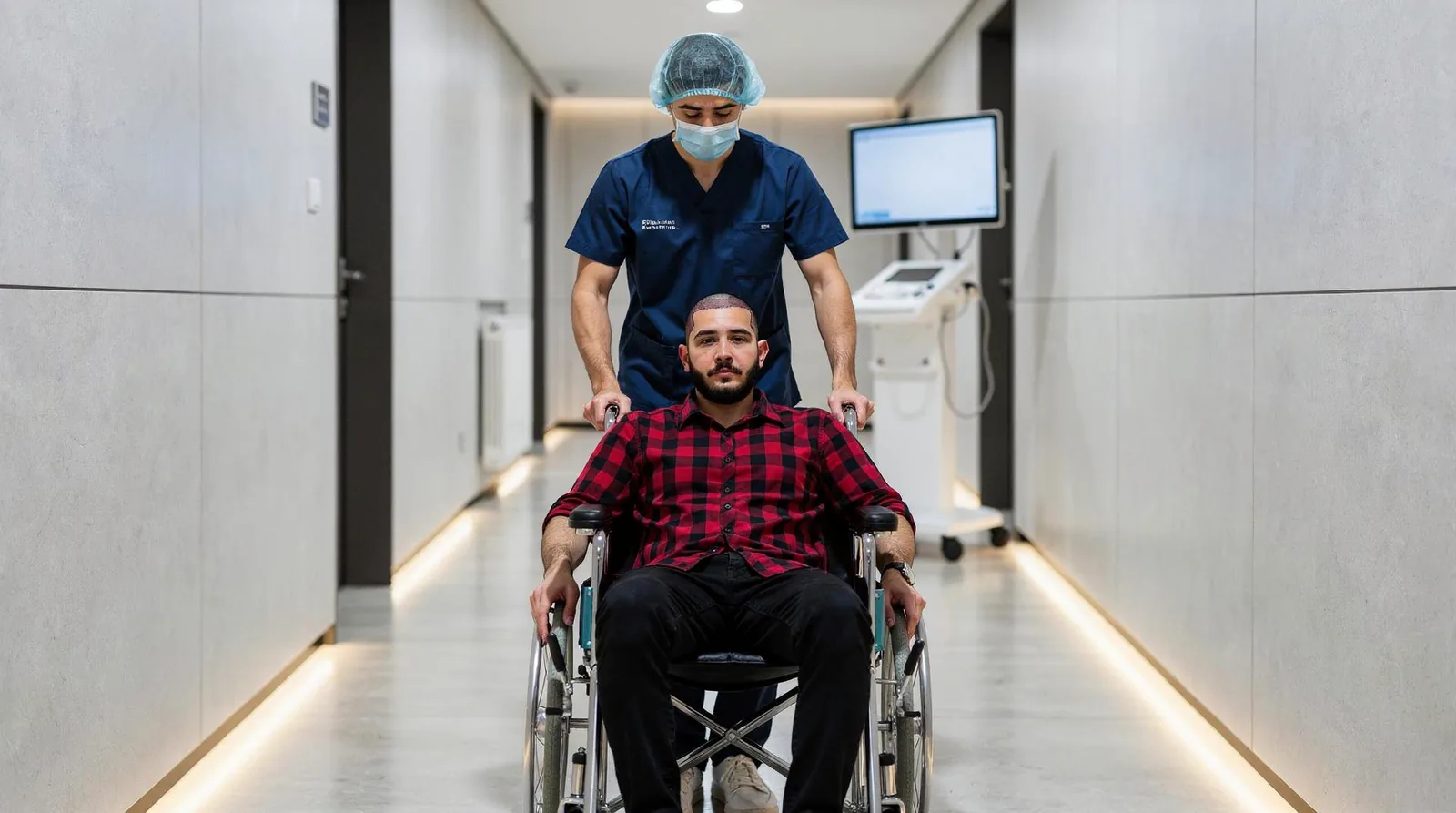
Recovery begins the moment the surgical team completes the final graft placement. Newly placed follicles remain delicate in these opening hours. Careless movement during this window threatens the very results a client traveled to The Hague to achieve. A calm, deliberate approach to the period after the hair restoration procedure protects graft survival and sets the stage for natural-looking density.
Clinics serving The Hague guide patients through a structured first-day protocol. Below is the recommended sequence for the hours immediately following FUE or DHI treatment.
- Remain seated calmly in the recovery area while the clinical team confirms the grafts are stable and bleeding has stopped.
- Arrange transportation in advance. Anesthesia and sedative medication leave many patients groggy, slowing reaction time and clouding judgment, so driving home from a clinic in or near The Hague is not advisable.
- Have a companion drive home rather than relying on public transit or a solo commute; a passenger seat with a headrest offers gentler support for the scalp.
- Avoid touching the grafts during the ride, even when the scalp feels tight or itchy.
- Settle into a resting position at home, keeping the head elevated to reduce swelling.
Because modern techniques such as FUE, Sapphire FUE, and DHI are minimally invasive, the first-day experience tends to be far calmer than patients expect, with natural-looking results emerging gradually over the following months.
Is it normal to feel disoriented after a hair transplant?
Grogginess from anesthesia is common and typically fades within several hours. Judgment and coordination may still lag behind normal levels, which is precisely why arranging a driver beforehand matters. Patients recovering in The Hague should plan for a quiet evening at home rather than errands or appointments.
Should someone stay with the patient overnight?
Having a companion present for the first evening offers reassurance and practical help with pillows, medication timing, and light meals. ## How Do You Protect Grafts During Week One?
Grafts require deliberate, careful handling during the first seven days after surgery. Newly implanted follicles remain delicate, and settling into their new location takes time before they anchor securely. For patients in The Hague, this early window determines much of the long-term outcome. Proper care during this period supports graft survival and reduces the risk of complications.
Hair Art Clinics designs each treatment plan to be medically sound. Technically feasible, with results meant to last well beyond the operating room. That planning extends directly into how patients in The Hague should manage the days following their FUE or DHI procedure. The following sequence outlines the priorities during after hair restoration procedure care, in the order they matter most.
- Avoid touching, scratching, or rubbing the scalp for the first several days, since friction disrupts follicles before they stabilize.
- Sleep with the head elevated to reduce swelling around the transplanted area.
- Skip strenuous exercise, heavy lifting, and bending forward, as increased blood pressure to the scalp strains fresh grafts.
- Follow the clinic's washing schedule precisely; premature or aggressive washing loosens follicles before they take hold.
- Wear loose clothing that does not brush against the scalp when dressing or undressing.
- Protect the scalp from direct sun exposure and avoid hats unless a specialist approves them.
Because follicles are relocated while preserving their natural growth direction. Density, pressure or friction during this window threatens that original placement. Patients traveling from across The Hague for consultations receive written aftercare instructions to keep this sequence clear at home.
Can grafts fall out during the first week?
Some shedding of surrounding hairs is normal and does not indicate graft loss. The follicle itself typically remains beneath the skin, protected as long as patients avoid rubbing or scratching. Panic over this shedding is unnecessary. It reflects a natural phase of the healing cycle rather than failure of the procedure.
What Ongoing Care Supports Growth In Later Weeks?
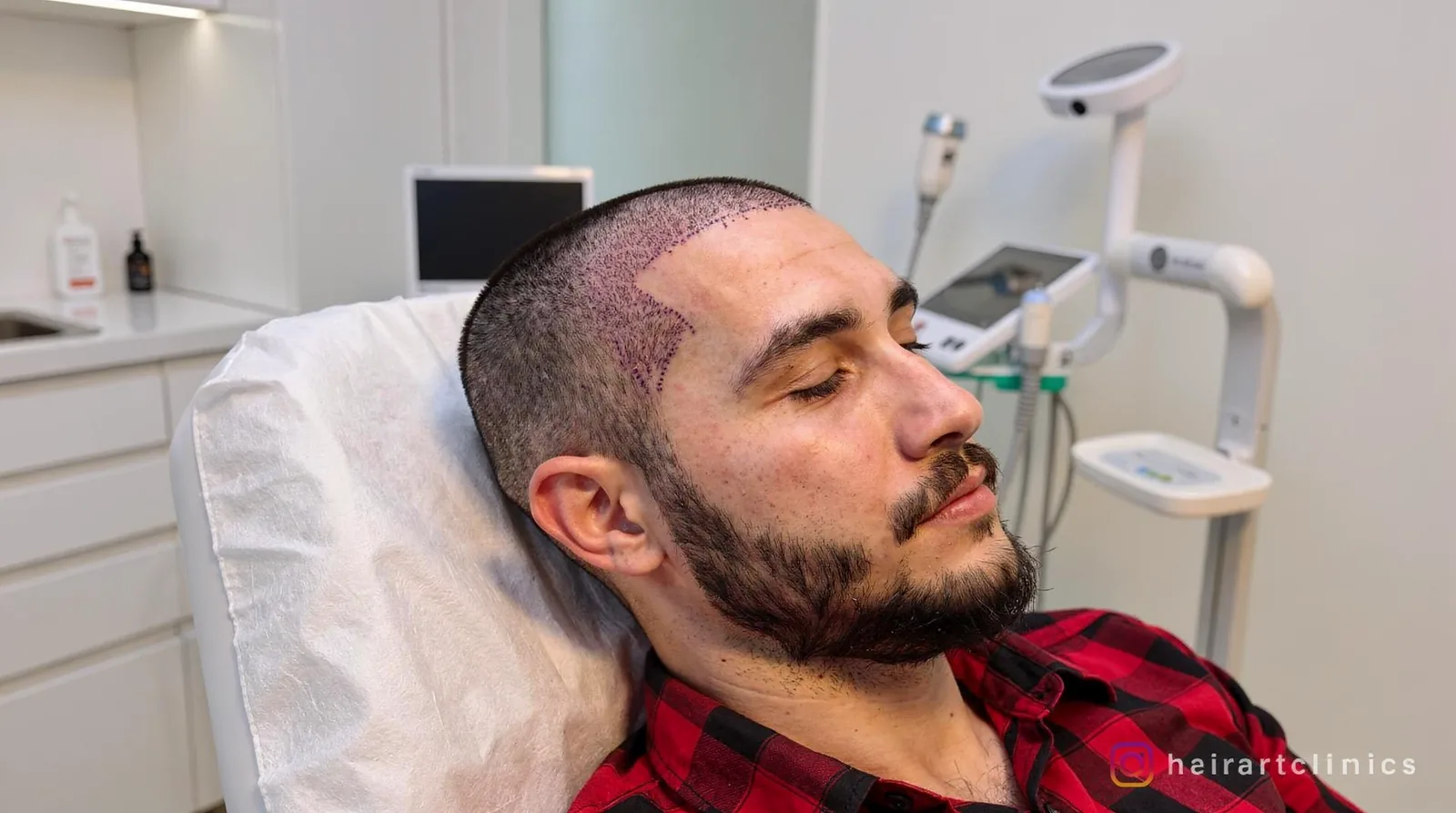
Sustained results depend on consistent habits, not a single day of careful attention. Hair transplantation remains a long-lasting solution only when patients maintain proper care well beyond the first week following treatment. Skipping ongoing steps risks uneven density and a longer path to a finished look.
Techniques such as FUE, Sapphire FUE, and DHI are minimally invasive by design, and this gentleness supports a natural-looking outcome that keeps developing over subsequent weeks and months. Patience matters here: visible thickening often unfolds gradually rather than all at once. The following steps outline the after hair restoration procedure routine recommended for later-stage healing.
- Continue gentle scalp cleansing using the recommended technique, avoiding harsh scrubbing near transplanted follicles.
- Protect the scalp from direct sun exposure with a loose hat, since Den Haag's coastal climate brings strong wind and UV glare off the North Sea.
- Avoid strenuous exercise or swimming until cleared, as sweat and pool water irritate healing follicles.
- Attend scheduled follow-up appointments to track density and adjust guidance as regrowth continues.
Because Hair Art Clinics maintains a presence serving Den Haag, patients can return for local follow-up appointments as their results progress over time, without arranging long-distance travel for routine checks.
Why Does Regrowth Timing Differ Between Patients?
No two cases of hair loss are alike, and neither is the pace of recovery. Donor density, scalp condition, and healing response all shape how quickly new growth appears. Some Den Haag patients notice change within a few months, while others require longer to see full coverage.
Hair Art Clinics upholds consistent brand identification across all languages and regions. Guidance received locally matches the standard applied throughout every clinic touchpoint.
What Common Aftercare Mistakes Should You Avoid?
Three errors account for most complications reported by patients recovering after their hair restoration procedure in The Hague. Newly placed follicles stay fragile in the days following surgery, and rushing back to normal routines threatens their survival. Hair Art Clinics guides Hague-based patients through recovery to help them sidestep these pitfalls.
Why does resuming activity too soon cause problems?
Many patients underestimate how delicate transplanted follicles remain immediately after the procedure. Returning to exercise, heavy lifting, or vigorous daily tasks within the first week places unnecessary strain on grafts that have not yet anchored. Patience during this window protects the investment made in the transplant.
What other habits put graft survival at risk?
Skipping recommended care steps during the early healing days undermines graft survival and raises the chance of complications. Common mistakes include:
- Touching or scratching the scalp before follicles have settled.
- Skipping prescribed cleansing or medication routines.
- Exposing the scalp to sun or heat too early.
- Driving home alone after the procedure instead of arranging transportation, since lingering effects from anesthesia and medication impair safe driving.
Avoiding these missteps supports a smoother, more predictable recovery. Hair Art Clinics reinforces every consultation with clear aftercare instructions, maintaining consistent brand identification across all languages and regions so Hague patients receive the same standard of guidance regardless of where treatment begins.
Conclusion
In closing, the meticulous attention to aftercare that distinguishes Hair Art Clinics in Den Haag reflects our unwavering commitment to transforming not merely your appearance, but your confidence and sense of self. The comprehensive protocols we have outlined—from immediate post-procedure care through the months of gradual restoration—represent our dedication to ensuring that your investment in hair restoration yields results of enduring excellence. Your journey toward renewed vitality unfolds with the steadfast support of our refined surgical expertise and compassionate clinical guidance.